
The Killer’s Nihilism
The KillerThis flow traces the unanswered violence of the Killer and Bérenger’s increasingly unsuccessful effort to assign it a rational motive.
increasing Bearing strength in each event
 decreasing
Bearing strength in each eventdecreasingA Repeated Method
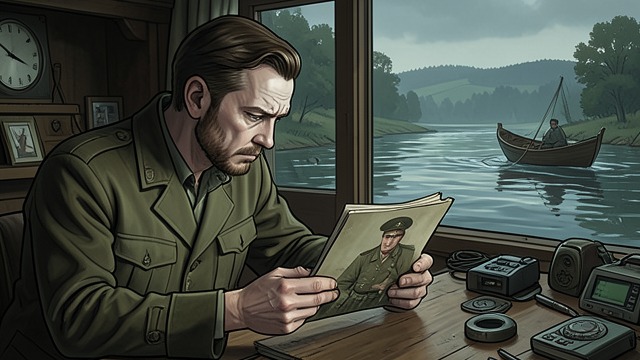
A Repeated Method
Ritualized Murder
The Architect describes how the Killer uses the Colonel’s photograph to draw victims toward the water.
No Revealed Motive
The method is knowable, but knowing how the crimes happen does not explain why they happen.
A Crime Everyone Knows
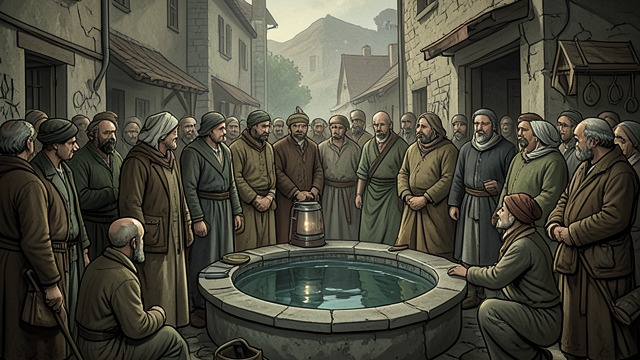
A Crime Everyone Knows
Public Knowledge
Bérenger is shocked that residents know the danger and continue to be caught by the same lure.
Explanation Insufficient
The Killer’s technique turns ordinary curiosity into vulnerability without clarifying his purpose.
Evidence Without Motive
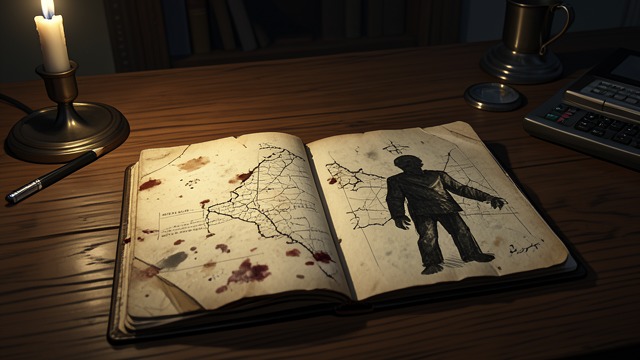
Evidence Without Motive
Plans Exposed
The diary and map offer details of the Killer’s plans and movements.
Inner Silence
Documents can identify patterns and intentions, but they do not produce a voice capable of explaining the violence.
Questions Before the Killer
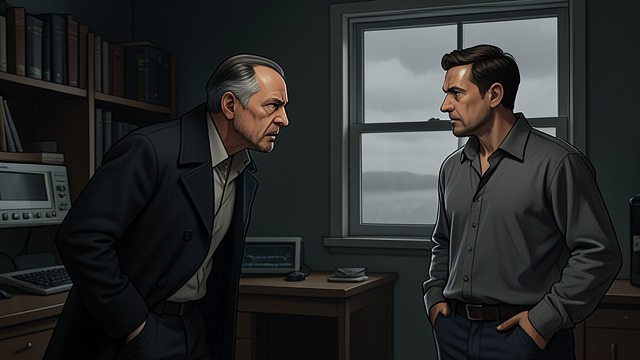
Questions Before the Killer
Moral Interrogation
Bérenger asks whether the Killer hates humanity, believes life is futile, or imagines murder as mercy.
No Answer
The Killer responds with chuckles and shrugs, refusing the explanations Bérenger offers on his behalf.
Reason Gives Way
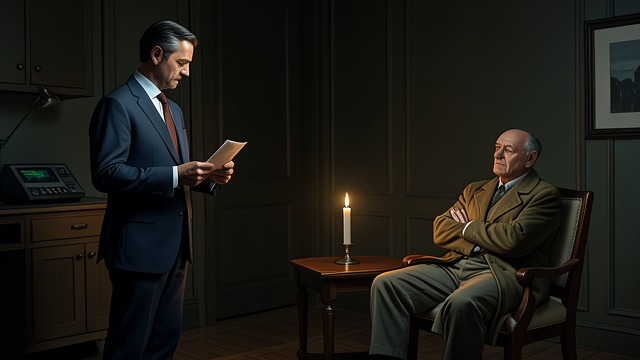
Reason Gives Way
Arguments Exhausted
Bérenger tries rational appeals, compassion, ridicule, and threats, but none changes the Killer’s silence.
Unresolved Violence
The play ends without a motive, arrest, or moral reconciliation, leaving violence resistant to explanation.
During Bérenger’s first visit to the pool
At the Bistro after the explanation
During the discovery in Édouard’s room
At their meeting near the end
In the final moments of Act Three
