
The Cycle of Violent Succession
The KillerThis flow links rebellion, regicide, usurpation, and Macol’s accession to show how each new order reproduces the violence it condemns.
increasing Bearing strength in each event
 decreasing
Bearing strength in each eventdecreasingRebels Denounce the Ruler
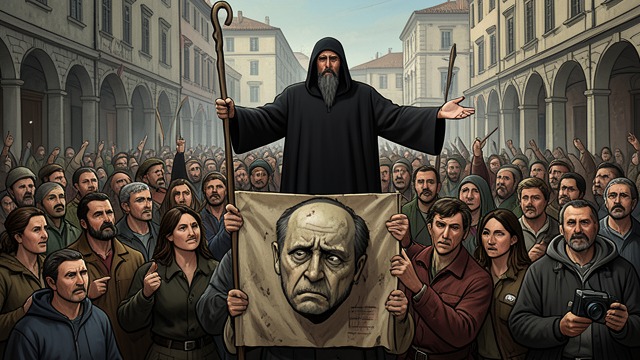
Rebels Denounce the Ruler
Claims of Justice
Glamiss and Candor condemn Duncan as an exploiter and call for freedom and self-rule.
Opposition’s Ambiguity
Their appeal to justice also promises private power and a share of the throne.
Duncan Punishes Defeat
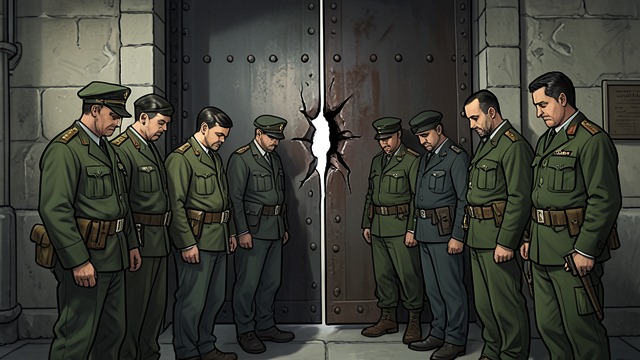
Duncan Punishes Defeat
Royal Retribution
Duncan orders Candor and his soldiers executed, making defeat the basis for punishment on a vast scale.
Violence Authorized
The ruler’s law becomes indistinguishable from the force that secured his victory.
The Loyal General Rebels
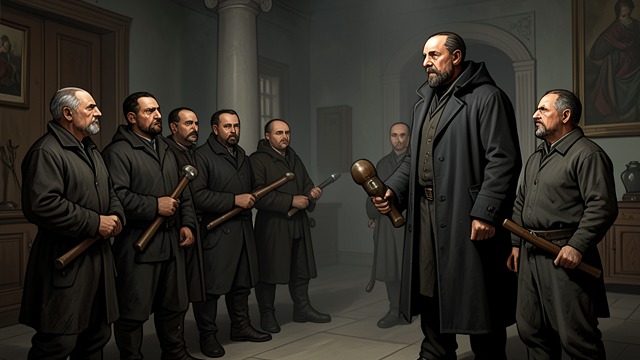
The Loyal General Rebels
Loyalty Reinterpreted
Macbett and Banco adopt the rebels’ complaints about extraction, property, and royal power.
New Conspiracy
The men who defeated Duncan’s enemies prepare to kill him and take his place.
A Usurper Repeats the Pattern

A Usurper Repeats the Pattern
Rule Through Fear
Macbett demands praise and obedience, reacting violently to any sign that others may question his authority.
Power Without Legitimacy
His rule copies Duncan’s coercion while claiming to have corrected Duncan’s abuses.
Macol Promises More
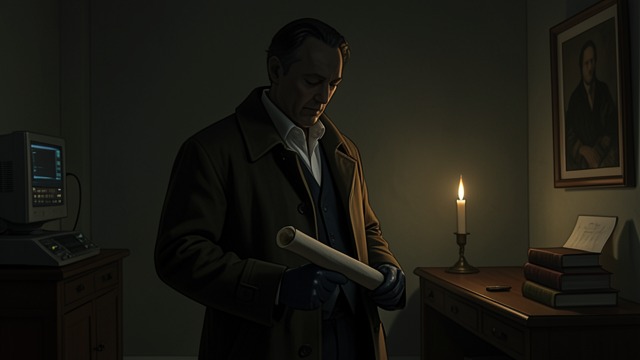
Macol Promises More
The Next Conqueror
Macol replaces Macbett and announces that his own vices will exceed those of the dead ruler.
No Political Resolution
The final succession shows that removing a tyrant does not break a system organized around force.
At the beginning of the field scenes
After the battle’s outcome is announced
After Macbett’s reward and the Witches’ intervention
During Macbett’s reign
After Macbett’s defeat and Macol’s accession
