
Time Deferred, Death Unprepared
The KillerThis flow develops the play’s conflict between the endless postponement of preparation and the sudden arrival of a deadline.
increasing Bearing strength in each event
 decreasing
Bearing strength in each eventdecreasingDeath as Known Fact
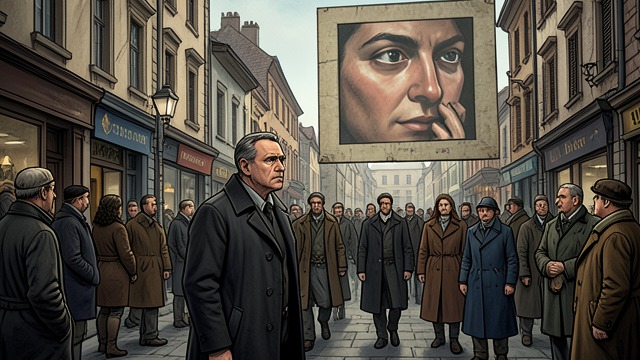
Death as Known Fact
Familiar Knowledge
Berenger initially claims that everyone knows kings must die and assumes the fact can be dealt with later.
Knowledge Without Preparation
The distinction between hearing about death and being ready for it becomes the play’s central pressure.
The Promise of Later
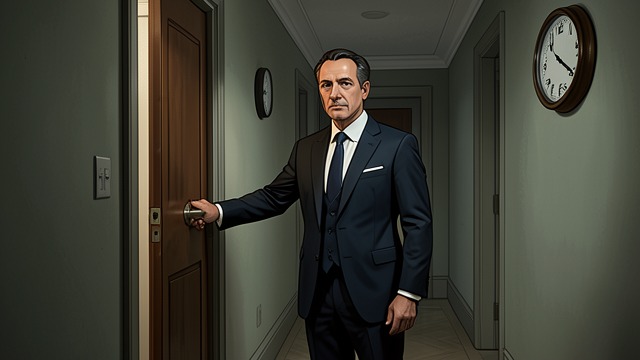
The Promise of Later
Repeated Delay
Queen Marguerite describes how Berenger postponed preparation from one age to the next, believing there would always be more time.
Habit Becomes Fate
The long postponement leaves him facing in one hour what he imagined could wait for centuries.
A Deadline Measured
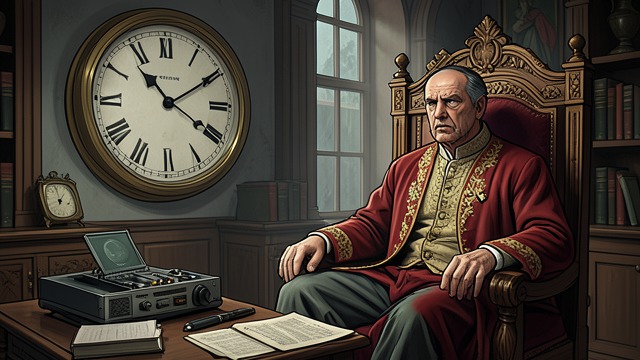
A Deadline Measured
Time Made Explicit
The Doctor gives the King a limited interval, turning an abstract future into seconds passing in the room.
Lost Opportunity
The countdown exposes the cost of treating time as an unlimited possession.
The Exam He Cannot Retake

The Exam He Cannot Retake
Failed Preparation
Berenger compares himself to a student and actor who arrive unprepared, then asks to repeat the test.
No Second Sitting
The court insists that this final passage cannot be postponed or rehearsed again.
The Present Narrows
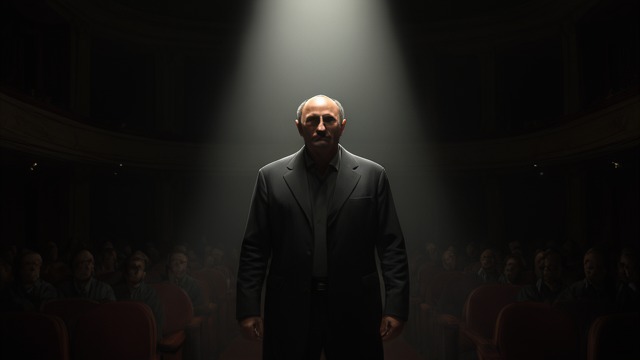
The Present Narrows
Past and Future Collapse
Berenger struggles to locate himself in time as memories blur and the present becomes his only remaining horizon.
A Final Passage
The play turns procrastination into a bodily and theatrical ending that cannot be deferred.
At the King’s first diagnosis
During Berenger’s recollection of his life
As the Doctor counts down the remaining minutes
After Berenger asks for another chance
Near the final disappearance
