
Memory and the Demand for Legacy
The KillerThis flow traces Berenger’s changing relationship to memory, from grandiose demands for remembrance to the relinquishing of personal identity.
increasing Bearing strength in each event
 decreasing
Bearing strength in each eventdecreasingA Kingdom as Biography
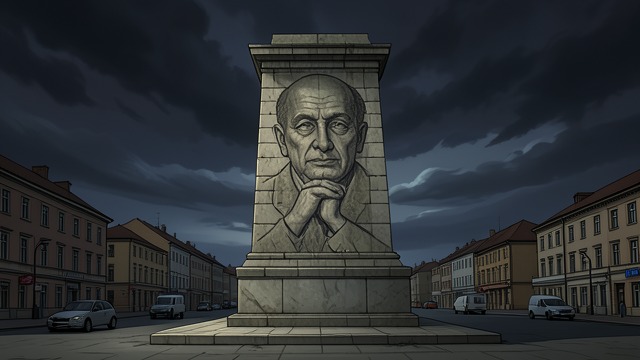
A Kingdom as Biography
Self Made Monument
Berenger imagines that every school, public building, vehicle, and church should preserve his name and image.
Fear Beneath Grandeur
His extravagant memorial plans reveal terror that death will make his life insignificant.
The Limits of Remembrance

The Limits of Remembrance
An Unstable Archive
Berenger wonders how long books, libraries, and even the universe can preserve his story.
Memory Cannot Guarantee Survival
The imagined audience disappears along with the world that might remember him.
A Life in Fragments
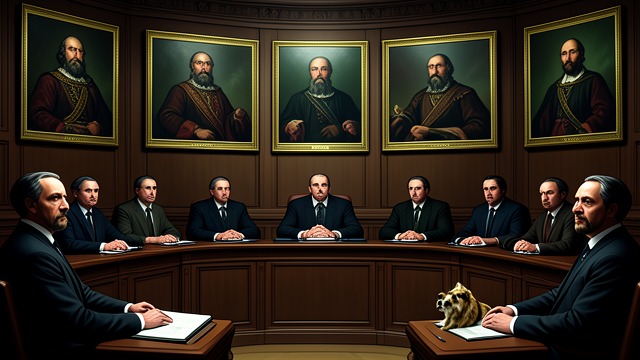
A Life in Fragments
Competing Accounts
The court recalls Berenger as a ruler, a maker, a tyrant, and a man whose ordinary attachments went unnoticed.
Unreliable Legacy
No single account can restore the whole person or make his past permanent.
The Cat Remembered
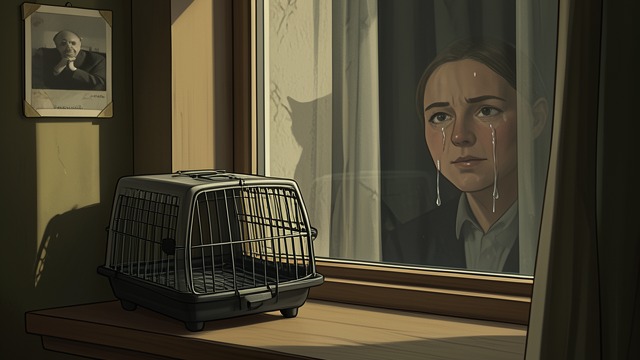
The Cat Remembered
A Small Memory
Berenger recalls a domestic cat with unusual tenderness, describing its habits, fear, and death.
Personal Loss
The intimate memory briefly replaces public monuments with grief for one vulnerable creature.
Memory Released

Memory Released
Removing the Burden
Queen Marguerite urges Berenger to drop the kingdom and the images that bind him to an old self.
What Remains
His identity dissolves with the world around him, leaving no durable monument beyond the play’s fading light.
When Berenger begins to fear being forgotten
After the King imagines future generations
During the court’s recollections of his reign
Late in the King’s recollection
During Queen Marguerite’s final guidance
