Cattle
The KillerCattle have a small but revealing presence in the play: they are working animals woven into domestic life, and signs of a natural world that no longer follows the same course within and beyond the kingdom. Their appearances connect an almost empty household milk supply with the wider environmental crisis surrounding Berenger the First.
Domestic Presence
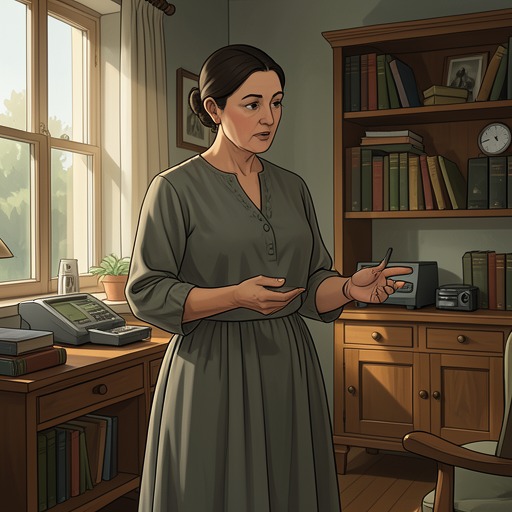
Juliette reports that she has just come from the stables, where she was milking the cow, and that the animal is almost out of milk. The chore has kept her from cleaning the room Queen Marguerite calls the Throne room; Queen Marguerite corrects Juliette when she refers to it as the living room. The exchange places the cow within the ordinary labor of the royal household, even as the royal title of the space exposes the gap between ceremony and daily conditions.
Cattle and the Changing Environment
The Doctor describes a stark difference across the kingdom’s frontiers. Only two and a half hours earlier it was spring; now it is November. Beyond the borders, grass is shooting up, trees are turning green, and cows are calving twice a day: once in the morning and again around five or a quarter past in the afternoon. Inside King Berenger’s kingdom, by contrast, brittle leaves peel from trees that are sighing and dying, and the earth shakes. Cattle thus mark the contrast between abundance outside the country and the deterioration within it.
Narrative Significance
Cattle recur as part of the disturbance heard and felt by the royal household. Berenger the First says that the cattle’s bellowing, alongside the retreating frontiers, the quaking earth, and the sirens, disrupted his sleep. The animals are not individualized beyond the cow in Juliette’s account, but their changing conditions and sounds give the crisis a material presence: the failing kingdom is registered not only in royal complaints and official warnings, but in the household’s dwindling milk and the noise of animals.