
Rue Barrée's Self-Protection
The King in YellowThis flow follows Rue Barrée as she protects her dignity while navigating poverty, desire, and the competing innocence of Hastings.
increasing Bearing strength in each event
 decreasing
Bearing strength in each eventdecreasingPublic Anonymity
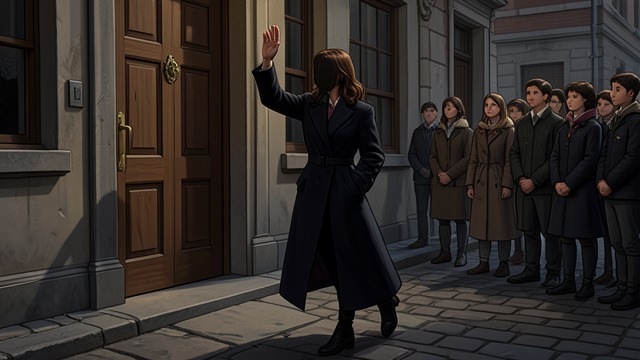
Public Anonymity
Rue Barrée moves through the Latin Quarter under a name borrowed from a blocked street.
Deliberate Mystery
Her anonymity protects her from the claims of students who admire her.
Social Boundary
The repeated salute permits recognition without surrendering private access.
Pansy Purchase
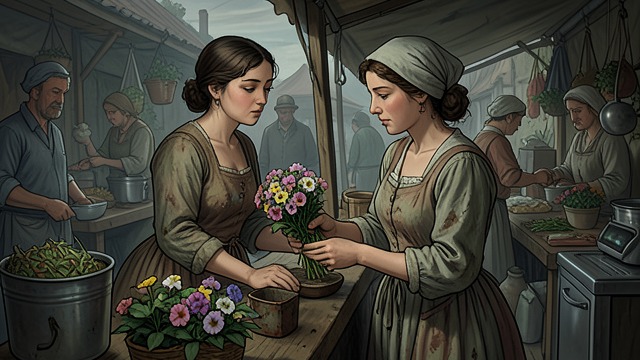
Pansy Purchase
Rue Barrée chooses inexpensive pansies after refusing a rose-bush she cannot afford.
Material Constraint
Her poverty is revealed through an ordinary transaction rather than confession.
Hidden Vulnerability
The moment allows Selby to see the person beneath the Quarter's legend.
Hastings's Idealization

Hastings's Idealization
Rue Barrée recognizes that Hastings treats her as a respectable and mysterious lady.
Protective Secrecy
She asks Clifford not to expose her life before Hastings is ready.
Unequal Risk
Her hope depends on preserving an innocence she knows cannot last.
Refusal of Rescue

Refusal of Rescue
Rue Barrée rejects Foxhall Clifford's offer of marriage in Luxembourg Gardens.
Clear-Sightedness
She understands that a proposal may promise escape while retaining the power imbalance of the Quarter.
Self-Preservation
Her refusal protects her from becoming someone's redemptive possession.
White Room Encounter

White Room Encounter
Rue Barrée admits Selby into her room but refuses to convert his drunken desire into a relationship.
Silent Judgment
Her expression and stillness force Selby to recognize his own shame.
Preserved Distance
She gives him a rose, allowing tenderness without surrendering autonomy.
Before Selby's first sight of her
The spring flower market
During Hastings's first month in Paris
The afternoon of Clifford's proposal
The night Selby climbs to her window
