
The Tower as Family Tomb
The King's CurseThe Tower shifts from a place of remembered Plantagenet deaths to the site where Margaret loses her sons, grandson, and finally her own life.
increasing Bearing strength in each event
 decreasing
Bearing strength in each eventdecreasingA Brother’s Execution
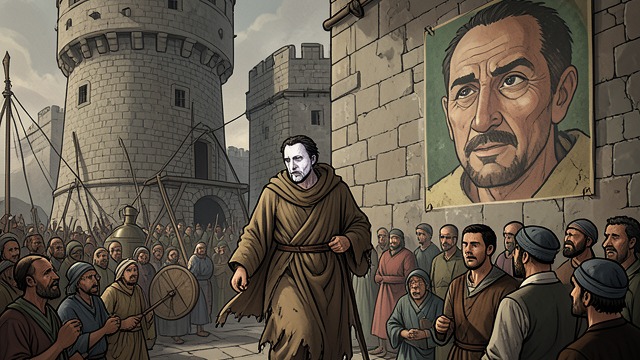
The First Family Loss
Tower Hill
Edward Plantagenet is brought from long imprisonment to execution. Margaret experiences his death as both a private bereavement and a warning about her own ancestry.
A Geography of Fear
The Tower becomes a place where her family’s political vulnerability is made physical. Its walls will shadow her understanding of safety for decades.
Montague’s Arrest
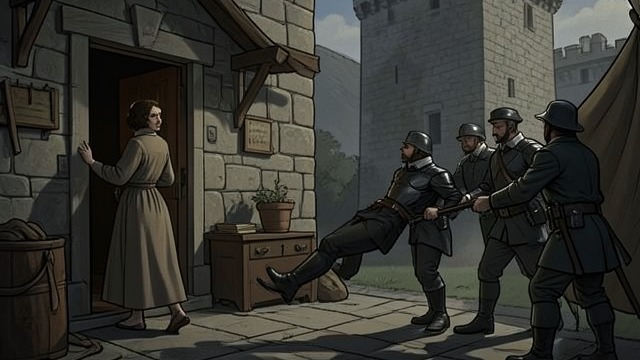
A Familiar Threshold
The Guards Arrive
Yeomen of the Guard enter L’Erber and take Montague away. Margaret knows that his destination connects him to the same history that claimed her father and brother.
Family Memory Repeats
Montague calls the Tower their oldest family seat, imagining its graveyard as a Plantagenet tomb. The metaphor becomes brutally literal.
The Grandson Imprisoned
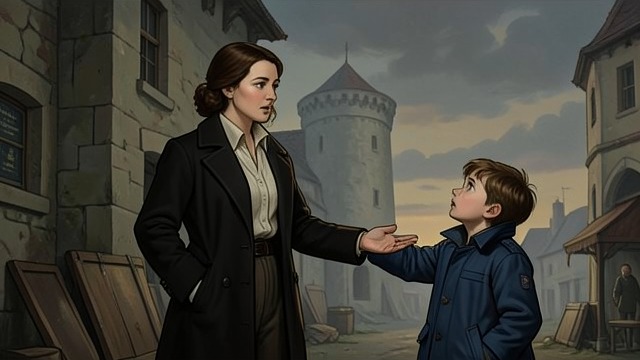
Another Child in the Tower
Harry Taken
Margaret arrives at the Tower and sees her grandson Harry, who believes she has come to take him home. She must explain that she too is a prisoner.
Childhood in Captivity
The boys are held for their lineage, not their actions. Margaret recognizes the pattern from Edward Plantagenet’s childhood imprisonment.
Endurance in the Cells
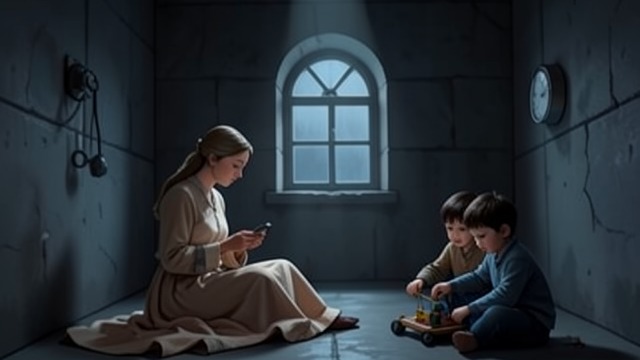
Prison Life
Confinement
Margaret lives with limited light, cold rooms, and restricted movement. Harry and Edward find small ways to play, while Margaret studies endurance rather than expecting freedom.
Release Denied
Gertrude Courtenay is freed, but her son remains imprisoned because his name is Courtenay. The distinction confirms that the Tower holds dynastic risks, not merely convicted criminals.
The Final Walk
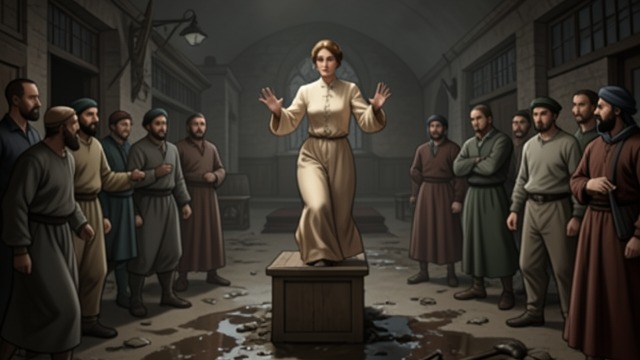
Death on Tower Green
An Unannounced Execution
Margaret receives little warning and has no trial or formal charge. She walks to a makeshift block while thinking of her brother and sons.
Resistance at the Block
She refuses to place her head down and struggles against the executioner. Her death completes the image of the Tower as the family’s grave, but preserves her final refusal to submit.
November 1499
Autumn 1538
May 1539
Winter 1539 to spring 1541
May 1541
