
Katherine’s Children and the Tudor Curse
The King's CurseThis thread follows the pregnancies and losses that turn the royal demand for an heir into a recurring source of personal grief and political suspicion.
increasing Bearing strength in each event
 decreasing
Bearing strength in each eventdecreasingThe First Lost Pregnancy

Hope and Miscarriage
Early Expectation
Katherine becomes pregnant soon after Henry’s accession, and the court anticipates an heir. The physician’s claim that she still carries a child delays recognition of the loss.
A Lesson in Credulity
Henry insists on optimistic reports and celebrates an imagined pregnancy. Margaret sees how badly the king handles medical uncertainty and bad news.
Henry of Cornwall
A Son Who Dies
A Brief Triumph
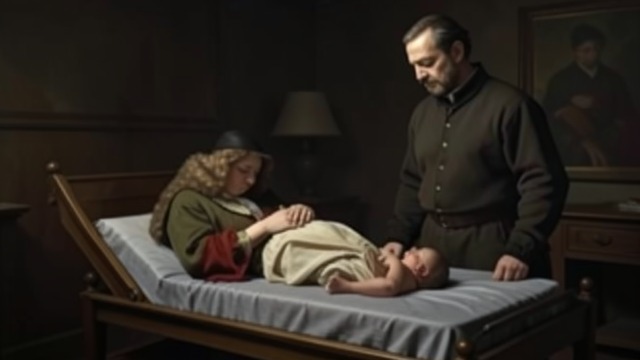
Katherine gives birth to a boy named Henry, and Margaret tells the king he has an heir. The court celebrates the apparent security of the Tudor line.
Sudden Death
The baby dies in his cradle ten days later. Margaret must carry the news to Katherine, while both parents are left unable to comfort one another.
The 1513 Birth
A Premature Son
A Difficult Delivery
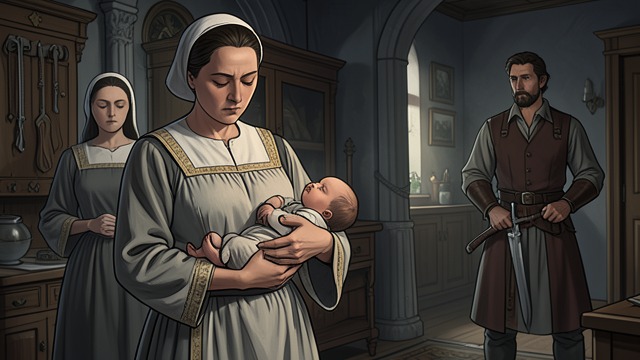
While Henry is campaigning, Katherine gives birth prematurely to a boy. The child briefly appears alive before dying in the midwives’ care.
A Queen’s Isolation
Katherine sends news to Henry, who returns with military triumph but no heir. Margaret sees the emotional gap widen between the royal couple.
Mary Survives

A Daughter’s Life
A Living Child
Katherine gives birth to Mary, who survives and becomes a bright, capable princess. Margaret is appointed her governess and helps raise her.
Unequal Security
Mary’s survival brings joy but does not end pressure for a male heir. Her legitimacy and inheritance will remain vulnerable to the king’s changing claims.
The Last Stillbirth

Hope Ends Again
A Dead Daughter
Katherine gives birth prematurely to a stillborn girl. Margaret carries the news to Henry while the court has already lost confidence in another royal pregnancy.
Grief Reinterpreted
The losses are increasingly treated as evidence against the marriage or the queen. The pain of bereavement is converted into a political argument about legitimacy and divine favor.
1510
January 1511
Autumn 1513
February 1516
November 1518
