
Women, Marriage, and Royal Power
The King's CurseThe novel examines women’s constrained choices as wives, widows, mothers, and political actors within a dynasty that treats marriage as statecraft.
increasing Bearing strength in each event
 decreasing
Bearing strength in each eventdecreasingA Marriage Arranged for Safety

Margaret’s Marriage
Political Containment
Henry VII arranges Margaret’s marriage to Richard Pole, intending to move a Yorkist heiress away from public power. The match reshapes her identity and limits her claim.
Private Affection
Richard proves kind and dependable, giving Margaret safety and a name to hide behind. Their marriage is not romantic idealization but a rare source of security.
Katherine’s Chosen Strategy
Widowhood and Remarriage
A Young Widow
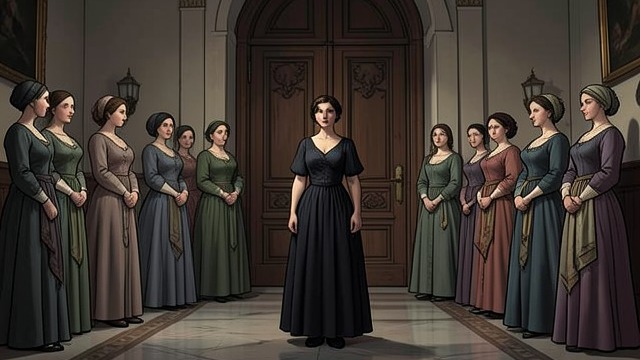
After Arthur’s death, Katherine refuses to leave England and proposes marrying Prince Harry. She uses the limited means available to shape her own political future.
A Queen’s Price
Her eventual marriage to Henry gives her status and influence, but also binds her life to the demand for an heir and to her husband’s shifting will.
Queens as Mothers and Heirs
Fertility as Public Duty
Pregnancy Under Scrutiny
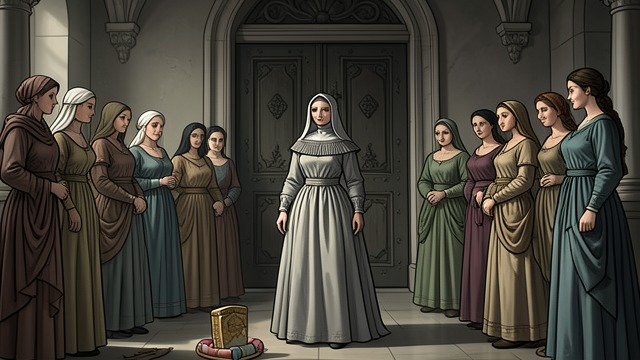
Katherine’s losses and Anne Boleyn’s miscarriages are interpreted as political evidence. The women’s bodies are treated as instruments for securing the dynasty.
Unequal Blame
Margaret witnesses how queens are praised when they produce heirs and blamed when children die. The pressure shapes each queen’s security and her relationship with Henry.
Mary’s Obedience and Defiance

A Daughter Between Parents
Conflicting Duties
Mary loves Henry but remains loyal to Katherine and refuses to deny her own birth. Her position turns filial obedience into a dangerous political choice.
Survival Through Submission
Threatened with treason, she signs the submission document. Her signature protects her life while forcing her to publicly repudiate her mother’s marriage.
Margaret’s Power as a Woman
Land, Patronage, and Influence
Independent Wealth
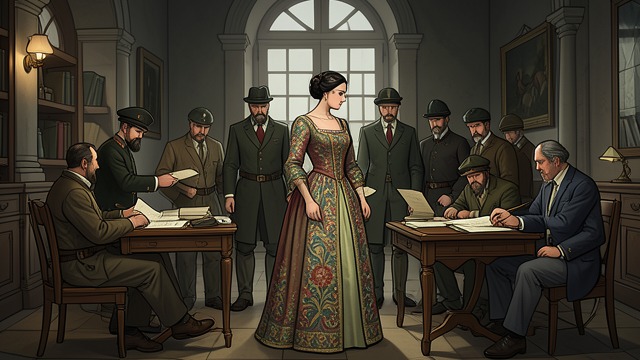
Restored title and estates make Margaret exceptionally powerful for a woman of her time. She manages lands, arranges marriages, and supports religious and family networks.
Limits of Authority
Her wealth cannot protect her sons or herself once the king treats lineage as treason. Her story exposes the gap between a woman’s practical influence and her lack of political security.
1499
1502 to 1509
1510 to 1537
1533 to 1536
1512 to 1539
