
The Meanings of Margaret’s Final No
The King's CurseMargaret’s refusal at the block gathers her lifelong commitment to survival into a last, involuntary act of protest against royal violence.
increasing Bearing strength in each event
 decreasing
Bearing strength in each eventdecreasingLife Above Glory

Survival as a Principle
Choices in Poverty
Margaret makes painful compromises to keep her children alive, including sending them away and signing away parts of her freedom.
A Mother’s Measure
She repeatedly teaches that life matters more than status or heroic death. This conviction explains both her caution and the guilt she feels when survival harms others.
The Oath’s Shame

A Compromise Remembered
Signing to Live
Margaret signs the oath even though she believes its claims are false. She later calls herself a liar and regrets failing John Fisher and Thomas More.
Survival’s Burden
She does not treat compliance as courage or innocence. Instead, she accepts the burden of living with a choice made to protect her children.
Repeated Losses
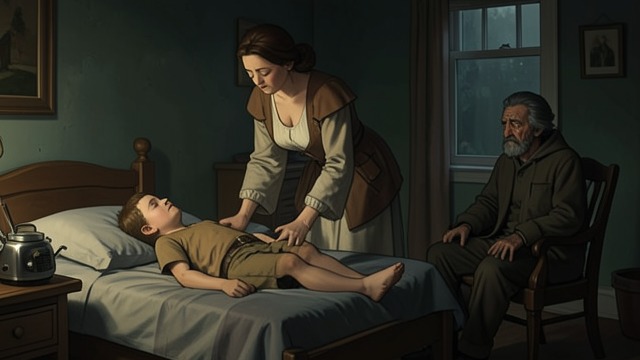
The Cost of Staying Alive
Sons Taken
Margaret sees Arthur die of disease, Montague executed, and Geoffrey broken by imprisonment and testimony. Each loss challenges her belief that survival can protect a family.
A Changed Understanding
Her earlier instinct to keep everyone safe begins to look powerless against a government willing to kill without reliable evidence.
A Mother’s Last Responsibility
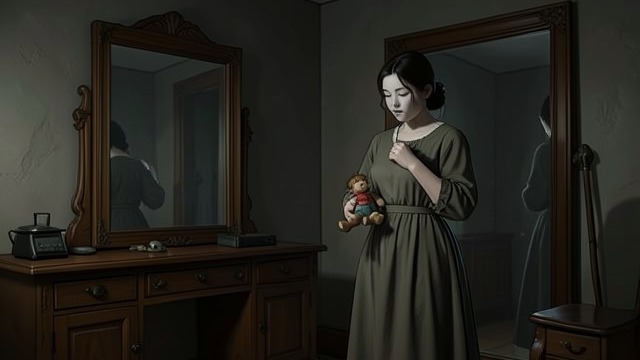
Preparing for Death
A Sudden Sentence
Margaret is told she will be executed within hours, without a charge or trial. She tries to pray, arrange her clothing, and remember the children still in the Tower.
A Last Blessing
She sends love to Harry, Edward Courtenay, and Mary. Her thoughts remain with those who will survive her rather than with political reputation.
The Refusal
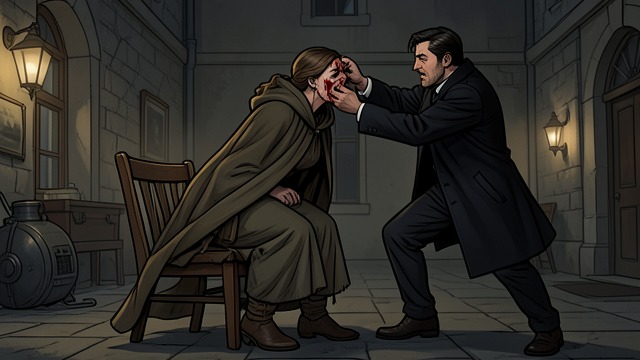
No to the Block
Instinct and Defiance
At the moment of execution, Margaret feels a sudden desire to live and refuses to place her head down. The executioner strikes while she tries to rise.
Witness to Injustice
Her final cries refuse the king’s demand for obedience. The act does not save her life, but turns her death into an unmistakable protest against a sentence without justice.
1505 to 1506
Spring 1534
1536 to 1539
May 1541
May 1541, moments before execution
