
From Public Victory to Private Ruin
The King's CurseThe novel repeatedly turns apparent restoration into reversal, showing how quickly political fortunes shift when royal favor substitutes for law.
increasing Bearing strength in each event
 decreasing
Bearing strength in each eventdecreasingA New King, New Hope

The Wheel Turns
Henry VII Dies
Margaret and other Yorkists emerge from years of surveillance after Henry VII’s death. Henry VIII pardons prisoners and appears to end the climate of fear.
Restoration Begins
Margaret returns to court and imagines a renewed place for her family. The change seems to confirm that fortune can reverse as quickly as it declines.
The Countess Restored
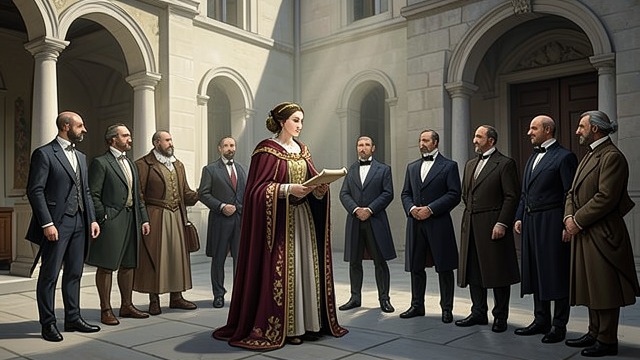
Fortune at Its Height
Title and Lands
Margaret regains her family title and estates, reunites with her sons, and becomes one of England’s wealthiest women.
Confidence in Justice
She believes the king has returned what was hers by right. The restoration feels like justice, though it still depends on the king’s continuing favor.
The Fall from Court

Favor Withdrawn
Buckingham’s Execution
After the duke’s fall, Margaret is dismissed from court and her family becomes politically suspect. Her wealth remains but her access to power vanishes.
Waiting and Return
She lives at Bisham until Henry restores her position. The first exile teaches her that security at court depends less on property than on royal mood.
A Pilgrimage Seems to Win
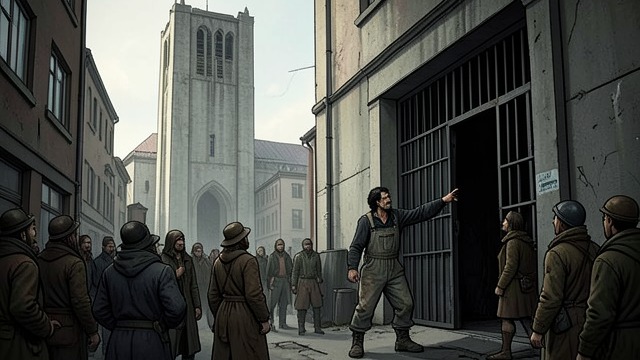
A Second Restoration Hoped For
Royal Concessions
The king appears to grant the pilgrims’ demands and promises an end to conflict. Margaret imagines that the monasteries, old counsel, and her family may be restored.
A Fragile Settlement
The celebration depends on promises rather than enforceable protections. The apparent victory creates a brief confidence that the country has turned back from tyranny.
The Final Reversal
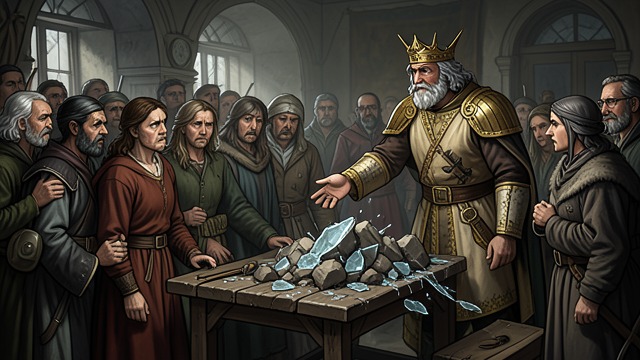
Promises Dissolve
Renewed Suppression
The king reopens and then closes religious houses, arrests pilgrimage leaders, and finally destroys the Pole-Courtenay network.
Fortune’s Limit
Margaret’s lands, family, and freedom are taken despite earlier pardon and favor. The novel’s wheel of fortune resolves not as a fair cycle, but as an unstable system controlled by the monarch.
April 1509
Spring 1512
1521 to 1525
Late 1536
1537 to 1541
