Henry Courtenay, Marquess of Exeter
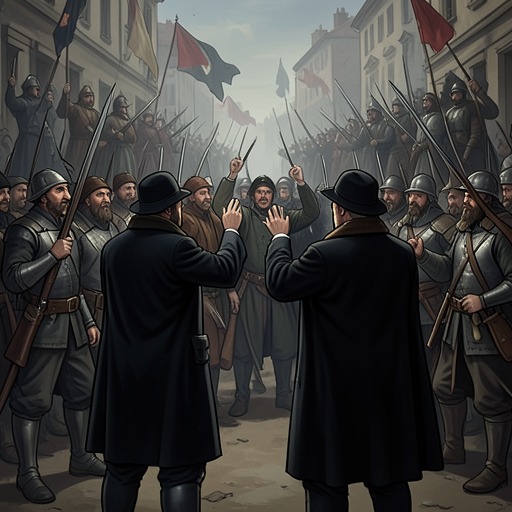
The King's CurseHenry Courtenay, Marquess of Exeter, is presented as a Plantagenet kinsman whose allegiance becomes important as Henry VIII’s religious and dynastic policies threaten Katherine of Aragon and Princess Mary. Margaret Pole names him as a possible ally when her sons urge the family to resist the king; Montague answers that Courtenay is with them wholeheartedly. His part in the narrative shows how kinship could furnish a political coalition—and how that same web of family ties could look like faction to a suspicious Crown.
Identity and Political Position
Courtenay belongs to the Plantagenet kinship network around Margaret Pole and her sons. When Margaret seeks another person who might share the burden of opposing the king, she suggests Courtenay, identifying him as their kinsman and Marquess of Exeter. Montague confirms his commitment, but adds that Courtenay cannot act alone. The exchange places him among trusted allies while making clear that resistance depends on coordinated support.
That coordination rests on more than personal loyalty. Margaret describes a family network joined through marriage, blood, and shared households: marriages keep wealth within related families, concentrate power, and bring lands together. Such connections can sustain mutual obligation, but, viewed with fear, can also give the impression of a faction or conspiracy. Courtenay’s alliance with the Poles therefore carries both protective and political weight.
Alliance Against the King’s Policies
Courtenay’s support is sought as Henry VIII moves against the Church and threatens the standing of the queen and princess. Montague argues that the king is elevating Henry Fitzroy while preparing to put Princess Mary aside, and proposes carrying news through Geoffrey Pole to Reginald Pole, the Pope, and the queen’s nephew, Charles V. The plan rests on the hope that a forceful papal ruling could make Henry restore Katherine of Aragon. Courtenay is identified as a willing partner in this wider effort to defend the queen and princess and to challenge the direction of royal policy.
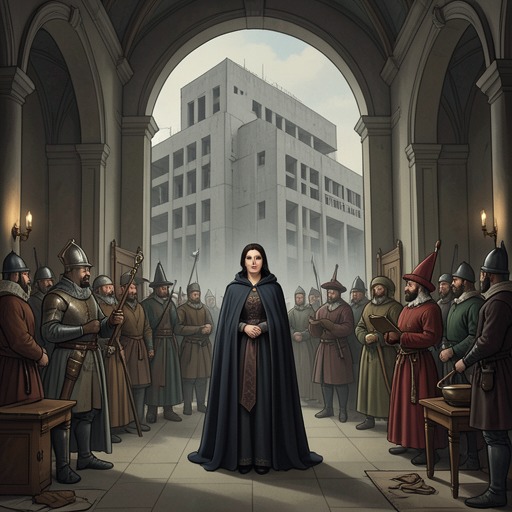
The stakes sharpen when Margaret’s family considers what might happen to the queen and princess if Parliament is offered a bill against them. In a private gathering, Courtenay brings a sealed letter from their Lisle cousins. He shows the seal and then puts the letter into the fire, destroying its contents after relaying its message: Arthur Plantagenet, Viscount Lisle, will hold Calais for the princess, and she could be taken there for safety. The burning letter makes the secrecy of the consultations concrete; the plan is no longer only a general declaration of loyalty, but a discussion of protection and escape.
Dynastic Strategy and Narrative Significance
The political discussions also treat marriage as a possible instrument of reconciliation between the Tudor and Plantagenet lines. The proposed logic is dynastic: a union between the houses would echo the earlier Tudor marriage to Elizabeth of York, while excluding the Boleyn party from influence. The evidence presents this as a strategy under consideration, not as a completed arrangement. It nevertheless places Courtenay’s Plantagenet identity within a larger effort to answer the succession crisis through family alliance as well as resistance.
Courtenay’s importance in these passages lies in the contrast between kinship as a source of solidarity and kinship as a basis for suspicion. Margaret initially names him in the hope that another kinsman will share responsibility; Montague’s reply confirms that he stands with them, while insisting that collective action is necessary. His participation in the confidential discussion over the Lisle letter extends that alliance into practical planning. The account thus presents him as one of the trusted Plantagenet connections around Margaret Pole, at a moment when defending the queen and princess could be construed as opposition to the king.