
The Arrests and Executions
The King's CurseThis thread follows the widening use of treason charges to silence religious dissent and dismantle the Plantagenet family’s remaining power.
increasing Bearing strength in each event
 decreasing
Bearing strength in each eventdecreasingThe Buckingham Precedent
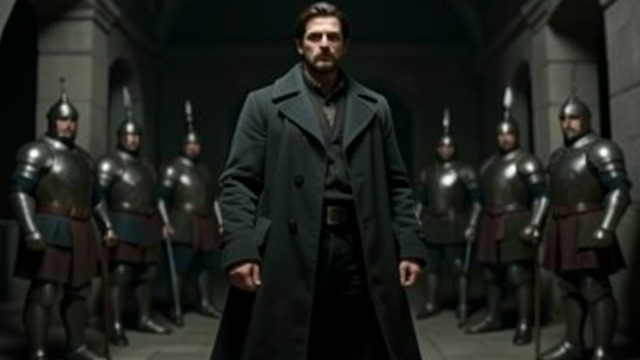
A Nobleman Condemned
Suspicion and Prophecy
Edward Stafford, Duke of Buckingham, is accused after talk of prophecies and a possible alternative king reaches Henry VIII.
Execution
His conviction shows that royal kinship offers no dependable protection. Margaret sees that caution cannot guarantee safety when the king interprets speech as treason.
The Martyrs of the Oath

Conscience Put on Trial
Refusal
John Fisher and Thomas More refuse to affirm the king’s religious supremacy as they understand it. Margaret signs the oath, believing survival is the only way to protect her family.
Executions
Both men are executed. Their deaths expose the moral price of Margaret’s compromise and teach the court that even the king’s former friends are vulnerable.
Repression After the Pilgrimage
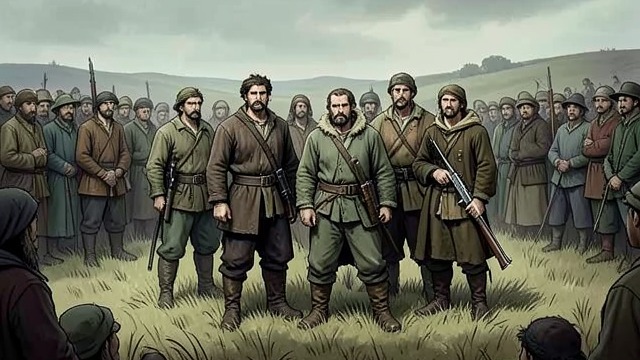
Pardons Withdrawn
A Broken Settlement
Despite the royal pardon, former pilgrimage leaders are arrested. Thomas Darcy and Robert Aske are executed after believing the king would honor his promises.
Fear Spreads North
The punishment reaches communities that had sought redress peacefully. Margaret realizes that the government treats collective hope as evidence of rebellion.
The Pole–Courtenay Arrests

Family Under Investigation
Imprisonment
Geoffrey Pole is held in the Tower, and Montague, Henry Courtenay, and other relatives are arrested. The charges draw on messages, old conversations, and coerced testimony.
Convictions
The crown executes Montague, Courtenay, and Edward Neville. Geoffrey survives after testifying against his family, leaving Margaret to confront both state violence and personal betrayal.
The Attainder of a Dynasty
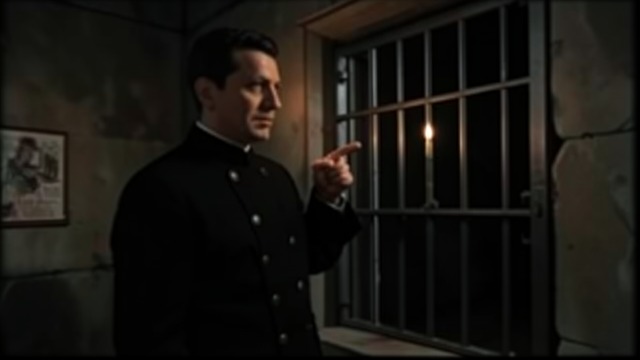
Guilt Without Trial
Parliamentary Decree
An Act of Attainder declares the Plantagenets traitors without a trial or proof. Margaret and her grandson Harry are imprisoned, and the family’s property is forfeited.
Power Replaces Evidence
A badge and a private letter become political instruments. The process makes ancestry itself punishable and leaves no meaningful appeal.
1521
1534 to July 1535
1537
Summer to December 1538
Summer 1539
