
The Curse and the Tudor Heirs
The King's CurseThe curse becomes a lens through which Margaret and the court interpret the Tudor family’s repeated losses and Henry’s growing fear.
increasing Bearing strength in each event
 decreasing
Bearing strength in each eventdecreasingThe Queens’ Curse

A Warning on the Dynasty
A Vow Against Murder
Elizabeth of York tells Margaret that she and her mother invoked a curse against whoever killed the princes in the Tower and that murderer’s descendants.
Unresolved Guilt
Margaret cannot know who killed the princes. The curse therefore becomes both a political fear and an expression of grief that cannot be settled by evidence.
The Sweat as a Tudor Omen
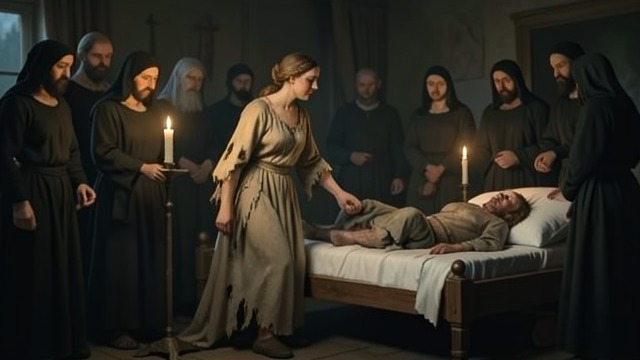
Disease and Royal Anxiety
Arthur’s Illness
Arthur Tudor dies of sweating sickness while under Margaret’s care. The disease is associated with the Tudor army and feared as a sign against the dynasty.
Meaning Made from Loss
Margaret sees Arthur’s death as a terrible coincidence and a failure she cannot prevent. Others interpret it as evidence of a curse or divine judgment.
A Line of Dead Sons
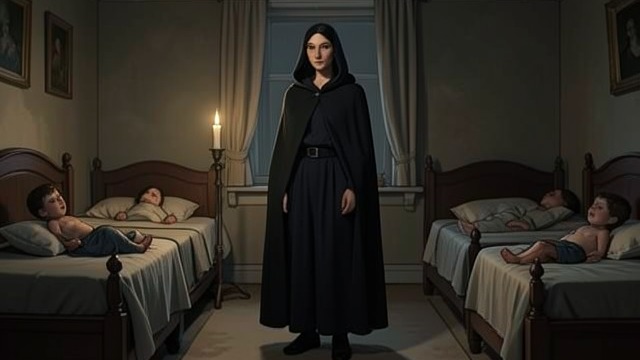
Repeated Bereavement
Royal Children Lost
Katherine’s pregnancies produce miscarriages, stillbirths, and short-lived sons. Margaret witnesses the repeated cycles of hope and mourning.
A Political Metaphor
The dead children become evidence in arguments over whether the marriage is blessed. The curse gives political anxiety a supernatural language.
The Curse Spoken in Court
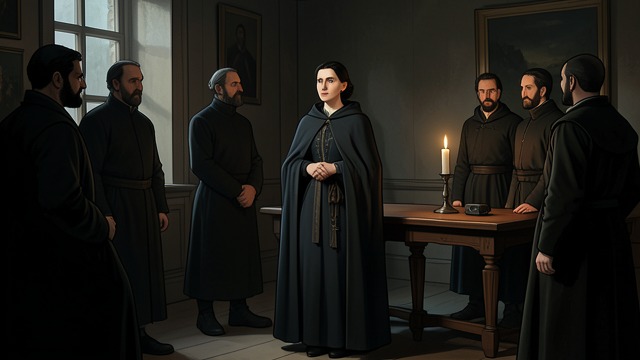
Prophecy as Treason
Warnings Circulate
Elizabeth Barton and others speak of Henry’s line ending without sons. These prophecies gain power as the king’s marriages and heirs remain uncertain.
Dangerous Knowledge
Margaret fears that even discussing the curse can implicate her family. Belief and rumor merge with political accusation, making prophecy a weapon as well as a warning.
A Lost Heir and a King’s Fear
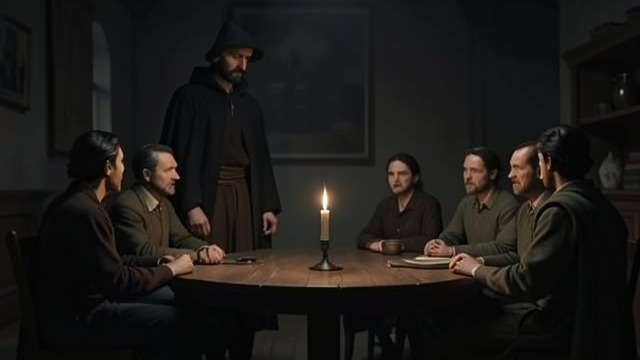
Fitzroy’s Death
Henry’s Grief
After Henry Fitzroy dies, Henry VIII asks whether a curse explains the loss. His private sorrow reveals how deeply dynastic failure haunts him.
An Unsettled Future
The death weakens a potential alternative heir but does not restore Mary’s rights. The curse remains a frame through which Margaret interprets events, not a solution to them.
Winter 1499 to spring 1500
May 1502
1510 to 1518
1531 to 1536
Summer 1536
