
The Human Cost of the Pilgrimage’s Failure
The King's CurseThe apparent success of the Pilgrimage of Grace gives way to broken pardons, executions, and the destruction of communities that trusted the Crown.
increasing Bearing strength in each event
 decreasing
Bearing strength in each eventdecreasingThe Movement Wins Terms

A Hopeful Settlement
Demands Presented
The pilgrims seek restoration of religious institutions and a return to trusted noble counsel. Their strength gives them leverage over the king’s poorly supplied forces.
Confidence in the Pardon
The movement accepts royal promises and disperses, believing that negotiation has protected its participants. Margaret shares the hope that the old faith may return.
The King Reverses Course
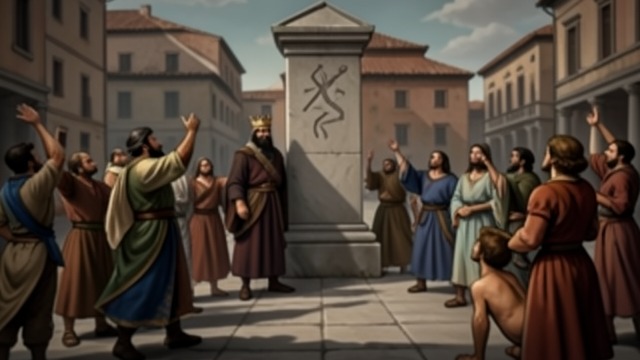
The Pardon Fails
Renewed Crackdown
The government arrests former pilgrims and closes monasteries that had briefly reopened. Royal forces treat local dissent as renewed rebellion.
Trust Destroyed
People who surrendered in good faith discover that the pardon is not a dependable safeguard. Margaret sees the agreement becoming a trap rather than a settlement.
Executions and Exemplary Punishment
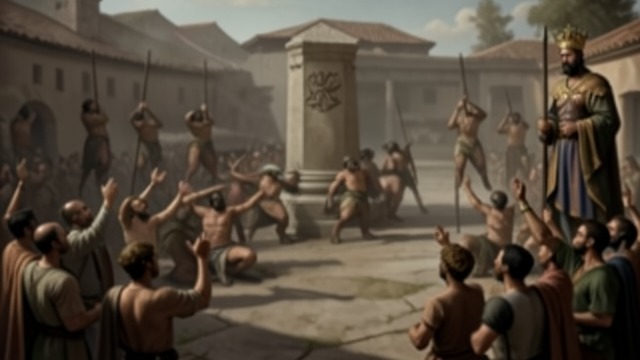
The North Punished
Mass Repression
Executions spread through northern towns and villages. Authorities punish not only armed participants but those who supported the monasteries or buried the dead.
A Warning to the Living
The corpses of executed people are displayed, making public punishment part of government. The campaign terrorizes communities that had sought religious protection.
Families Pay for Loyalty

Household Loss
Spouses and Children Targeted
Margaret hears of women and families punished for their ties to rebels. John and Anne Hussey, and other supporters, face prison and death.
No Safe Category
The difference between a loyal subject and a traitor depends on the king’s interpretation. Margaret’s own relatives learn that obedience does not guarantee safety.
The Rebellion Remembered
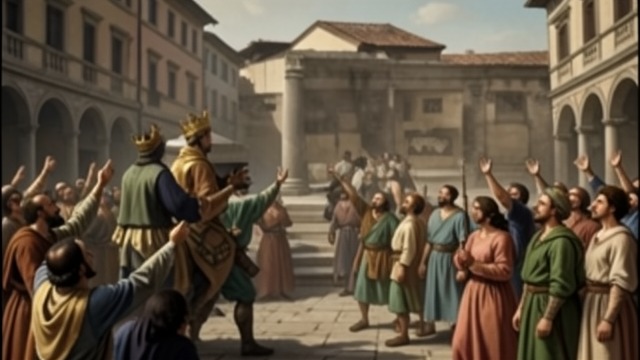
Memory Becomes Evidence
Hope Criminalized
Even a phrase such as hoping for a merry world can be treated as treason. Former pilgrims and sympathizers remain vulnerable after the movement has ended.
Margaret’s Conclusion
She sees the failure not only as military defeat but as the destruction of trust between ruler and people. The rebellion’s ideals survive privately, though its leaders are dead.
Late 1536
Early 1537
February to summer 1537
Spring to summer 1537
1538 to 1541
