Jane Pole
The King's CurseJane Pole, also known as Lady Arthur Pole, is the wife of Arthur Pole and the mother of their son Henry. Her story is told through the effects of dynastic family life and epidemic illness: she is left dangerously sick while her household breaks down, becomes a widow without being told of her husband’s death, and later takes religious vows at Bisham Priory.
Identity and Family
Jane is identified as Arthur Pole’s wife. Their son Henry is the first living grandson of Margaret Pole and an heir to the family name. Margaret’s affection for the next generation is expressed through a gilded cradle she sends to Jane at Broadhurst Manor, linking the household’s domestic life to the continuation of the Pole family.
Illness and Arthur’s Death
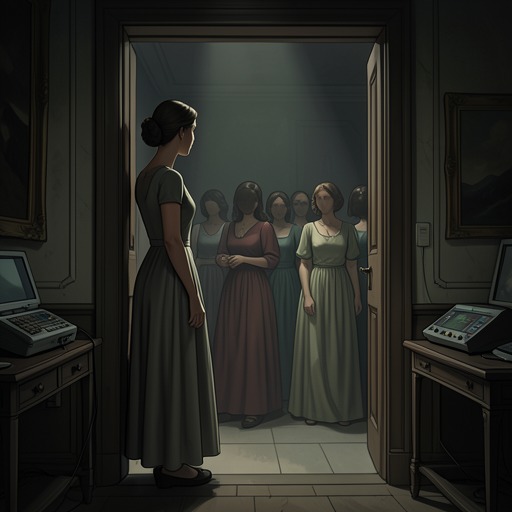
During the Sweat, Jane herself is gravely ill, near to death, and confined to her private rooms with only one woman caring for her. The household steward, terrified of the disease, has withdrawn into his own rooms, leaving the house in disorder. When Arthur dies, no one tells Jane; the account emphasizes how her illness and isolation prevent her from learning the news at once.
With the household unable to arrange matters, Montague orders Arthur’s body removed from the house and brought to the family priory. Margaret and other members of the family lay him to rest at Bisham Priory. The episode places Jane’s illness beside the practical disruption caused by the epidemic: even the customary care of a bereaved wife is suspended while she remains dangerously unwell.
Widowhood and Religious Life
Jane survives the illness and later takes vows, becoming a novice at Bisham Priory. The narrative records this change without explaining her private reasons for entering religious life. Her transition from wife and mother in Arthur’s household to novice at the family priory is presented alongside Margaret’s efforts to secure wardship of the young Henry and protect his inheritance.
Narrative Role
Jane’s characterization is brief and mediated through Margaret’s account. The reader sees her chiefly through her marriage to Arthur, her motherhood, her severe illness, and her subsequent entry into religious life; she is not given direct speech or an independent account of these events. Her limited presence nevertheless marks the personal cost of the Sweat and the way an epidemic could unsettle a household, interrupt family obligations, and alter the lives of its survivors.