Rochelle Evans’s home
The Kissing BoothRochelle Evans’s home is both an everyday family space and a recurring threshold between private life and public conflict. Scenes there place Rochelle Evans’s routines with her father and younger brother Brad alongside the secrecy and ruptures surrounding her relationship with Noah Flynn and her lifelong friendship with Lee Flynn; home is where those connections become difficult to keep separate.
Domestic Setting and Family Routine
The house appears first as a lived-in family home shaped by ordinary schedules. When Rochelle returns and finds nobody there, she expects that her father has taken ten-year-old Brad for food after his soccer tournament. The absence does not register as extraordinary: family members are simply elsewhere, following their own plans. Rochelle puts music on through her speakers loudly enough to hear it over the shower, then studies the dress she plans to wear. Her uncertainty about dressing up reflects the contrast between her upbringing alongside Lee and her lack of a mother, and the effort she still makes to prepare for occasions.
Brad’s babysitting routine offers another view of the home as a place of everyday responsibility. Rochelle gives him dinner while he plays video games and yells at the television; at half past nine she has to nearly drag him upstairs before he agrees to go to bed. Once his bedroom door closes, the house becomes quiet enough for her to settle in front of a violent film about Romans or gladiators. The sequence moves from caretaking to solitude without making either seem unusual: the home accommodates both the demands of family life and Rochelle’s brief private retreat.
Preparation, Departure, and Arrival
The home repeatedly marks the transition from getting ready to going out. On one hurried departure, Rochelle realizes she is already five minutes late and has to wear a jumper; she calls goodbye as she runs downstairs. Her father calls back to wish her a good time, Brad remains absorbed in his video game, and Lee’s car is already waiting outside. The quick passage from stairs to car makes the house a point of departure into the social life beyond it, while the family’s separate responses give the moment its familiar domestic texture.
At another threshold, Rochelle returns with Lee and hears her father call her into the kitchen. The brief exchange places her father inside the home and Lee at the edge of the scene, showing how friendship and family overlap in the ordinary traffic of visits. A more charged arrival begins with the doorbell: her father opens the door to find Noah, who asks with surprising politeness whether Elle is ready. Rochelle is concerned not only about how she looks but about the gossip that may follow if people see them arrive together. The house thus holds the private preparation for a relationship whose visibility outside it carries social consequences.
Secrecy and Confrontation
The home also becomes a setting in which Rochelle’s private choices collide with Lee’s expectations. When she tells Noah that she will not risk her friendship with Lee merely to become another girl he sleeps with and fails to call the next morning, she states both her fear of being treated casually and the cost that secrecy could impose on her closest friendship. Noah challenges her assumption about his intentions. In the home’s intimate setting, the argument is not just about romance: it exposes the strain of trying to preserve loyalty to Lee while considering a relationship with his brother.
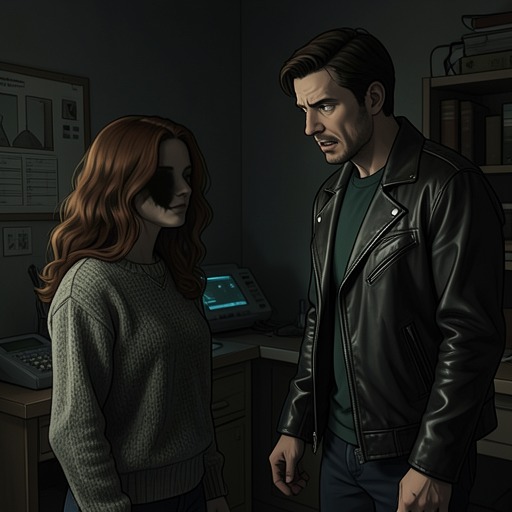
That strain breaks into open conflict when Lee confronts Rochelle and Noah. Noah initially tells Lee to stop blaming Rochelle, but Lee turns his anger toward Noah, accusing him of hypocrisy: Noah has warned other boys away from Rochelle and claimed they must not hurt her, yet Lee believes Noah has treated her like someone picked up in a club. Noah responds physically, grabbing Lee by the collar and slamming him against a wall. He insists that he respects Rochelle; Lee answers that the months of concealment are themselves a betrayal. Noah says the concealment was Rochelle’s choice, and Rochelle recognizes that it was. The confrontation makes the house more than a backdrop: it is where the secret becomes an explicit dispute among the three people most directly bound up in it.
Absence and Aftermath
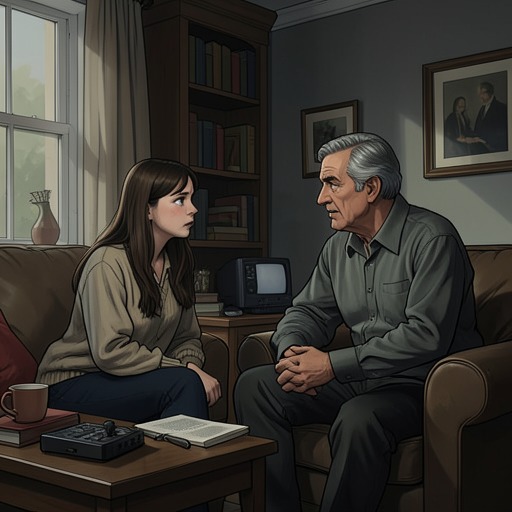
The consequences continue through news received at home. Rochelle’s father returns holding his phone and tells her that Noah is gone: after the argument with Lee, Noah packed a bag and left without saying where he was going or how long he would stay. He is not answering his phone, and Matthew has gone out to search for him. The announcement turns domestic space into a point of uncertainty; Noah’s absence is reported there, but neither his destination nor the duration of his departure is known.
Rochelle’s conversation with Lee carries the rupture into a quieter aftermath. She asks whether he hates her because she cannot bear not knowing while he is not responding. Lee says he does not hate her, but that he can scarcely stand her at that moment; he cannot believe she kept the relationship from him, or that Noah did too, when he had thought the brothers and Rochelle could barely share a room without arguing. The home’s recurring function is therefore not simply refuge or family comfort. It gathers the practical details of daily life, welcomes friends and romantic interests at its door, and becomes the place where a hidden relationship alters the terms of a friendship and a brotherhood.