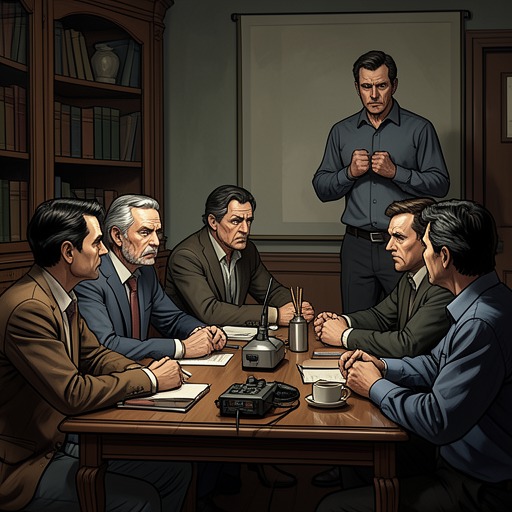
Men lie, and they lie to theirselves worst of all
The Knife of Never Letting Go“Men lie, and they lie to theirselves worst of all” is the passage’s sharpest distinction between hearing a thought and knowing it to be true. Todd presents Noise as an overwhelming stream of voices and images, but warns that its apparent openness does not prevent concealment; the most persistent deception may be the one a man practices on himself.
Wording and Context
Todd speaks from the hill above the town, where the Noise of the 146 men still there presses down on him like a flood, fire, or monster. The sentence follows his account of what Noise contains: not just words, but memories, fantasies, secrets, plans, and lies. Its compact repetition turns the passage from a description of an external burden into a claim about the people producing it. Men deceive one another, but they also help their own deceptions survive.
How Noise Conceals
Noise makes thoughts audible and visible, yet Todd says that a man can bury one thought beneath another or persuade himself that the opposite of what he is hiding is true. In that confusion, disclosure is not the same as clarity: a listener may hear the flood without being able to distinguish what is real from what has been obscured within it. The expression therefore resists the assumption that Noise is a transparent record of intention.
Meaning in the Passage
Todd extends the warning to the images men project onto women and Spackle. In Noise, both appear according to male fantasies, exaggerated beyond the versions Todd has seen in videos. He concludes that Noise reveals what men want to be true, not necessarily what is true. Against that distinction, the expression identifies self-deception as especially dangerous: if men can mistake their own preferred account for reality, the Noise may expose their desires while still misleading anyone who treats those desires as fact.