
The Rules of Combat
The Last DuelThe duel’s preparations turn violence into an elaborate legal ritual designed to make a lethal contest appear regulated and fair.
increasing Bearing strength in each event
 decreasing
Bearing strength in each eventdecreasingAn Old Judicial Remedy
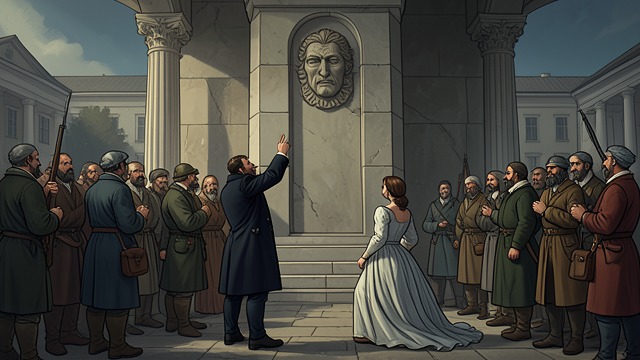
An Old Judicial Remedy
Combat as proof
Trial by combat once served in criminal and civil disputes, with people believing the outcome revealed divine judgment. The practice linked physical victory to legal truth.
A narrowing privilege
Over time, French kings restricted its use, especially in civil matters. Combat survived chiefly as an exceptional remedy for noble litigants in serious criminal cases.
A Royal Restriction
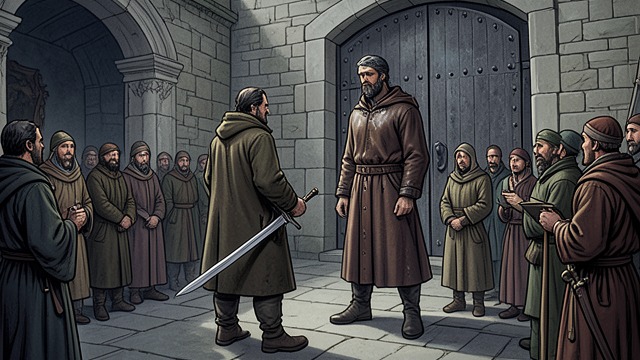
A Royal Restriction
Reinstated under limits
After earlier prohibitions, Philip IV restores judicial combat as an appeal in certain criminal cases under royal jurisdiction. Rape is among the offenses that can qualify.
Conditions for combat
The crime must be capital, credibly established, difficult to prove otherwise, and strongly suspected. These requirements make the duel exceptional, though not impossible.
Oaths and Equivalence
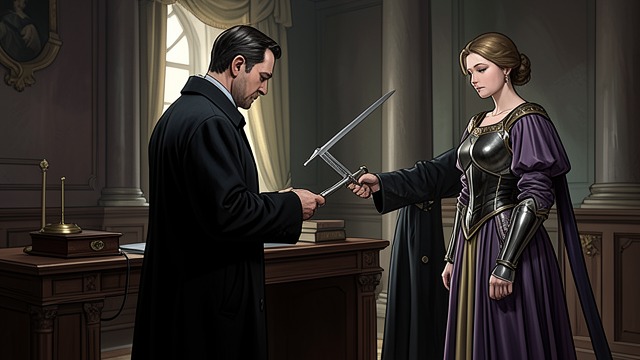
Oaths and Equivalence
Making the contest lawful
Officials inspect weapons, regulate the field, and require solemn oaths. Le Gris is knighted so his rank matches Jean’s before combat begins.
Equality in form
Ritual claims to remove unfair advantage, but strength, experience, health, and equipment remain unequal. Formal equivalence cannot eliminate chance or bodily difference.
The Duel as Verdict
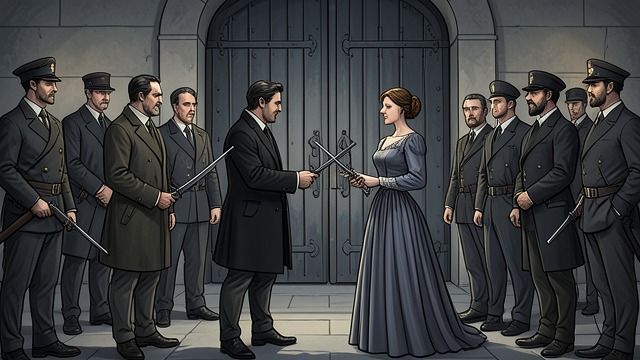
The Duel as Verdict
Combat substitutes for proof
The court leaves the unresolved accusation to a fight in which death, confession, or expulsion may determine guilt. The result is immediately treated as legally decisive.
Victory’s limitations
Jean’s survival saves Marguerite and ruins Le Gris, but the combat cannot reconstruct events at Capomesnil. A legal answer and historical knowledge are not the same thing.
The Practice Fades
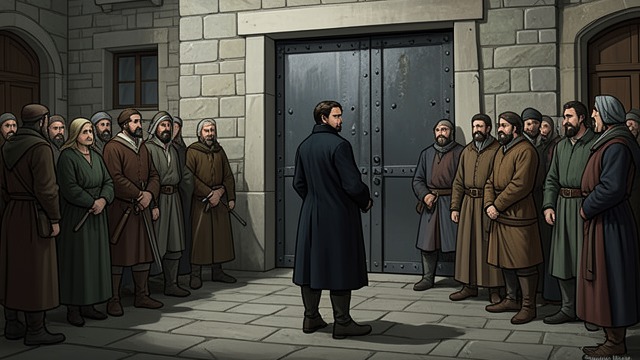
The Practice Fades
A final Paris authorization
The combat becomes the last judicial duel authorized by the Parlement of Paris. Later appeals do not produce another sanctioned fight there.
A compromised institution
The case’s controversy illustrates why physical combat could not reliably establish truth. The institution fades, although trial by combat persists elsewhere for centuries.
Before the thirteenth century
1306
29 December 1386
29 December 1386
After 1386
