
Law and the Victim
The Last DuelThe book examines the gap between the formal severity of rape law and the practical obstacles faced by a woman seeking justice.
increasing Bearing strength in each event
 decreasing
Bearing strength in each eventdecreasingA Capital Offense
A Capital Offense
A grave legal category
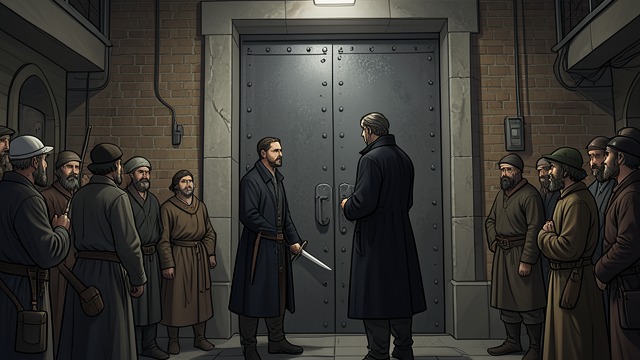
French legal authorities describe rape as a felony punishable by death. The formal law treats sexual violence as a serious offense, particularly when the victim is noble.
Uneven application
Actual outcomes depend on status, political connections, and available proof. Severe rules do not guarantee that victims can use them successfully.
A Woman’s Limited Standing

A Woman’s Limited Standing
Male advocacy required
A woman generally cannot bring a criminal accusation without cooperation from her husband, father, or guardian. Marguerite’s claim therefore depends on Jean’s decision to act.
Private harm becomes public
The legal structure makes her experience answerable to male authority. To pursue justice, she must accept exposure to gossip, scrutiny, and reputational danger.
The Cost of Disclosure
The Cost of Disclosure
Threats of shame
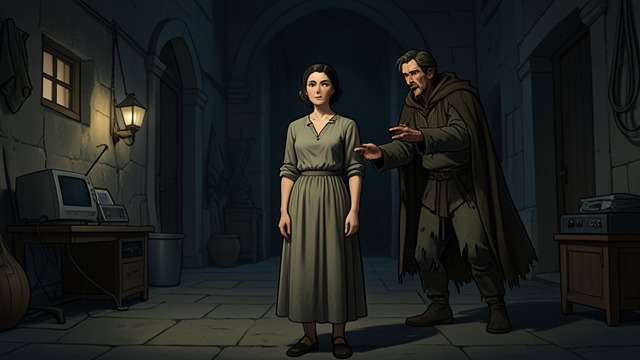
Le Gris allegedly warns Marguerite that speaking will dishonor her and may provoke her husband. Such threats exploit a culture that associates female status with chastity.
Silence versus accusation
Marguerite chooses to tell Jean despite the risks. Her decision challenges the social pressure to protect family reputation by concealing sexual violence.
A Public Trial
A Public Trial
Credibility on display
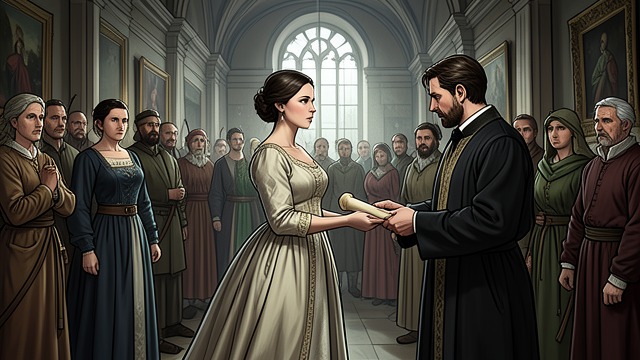
The Parlement repeatedly questions Marguerite while Le Gris submits a written defense. Her persistence matters because the case has little independent evidence.
The victim at risk
If the combat proves her oath false, she faces execution. The law offers a remedy while making the alleged victim bear extraordinary consequences for its failure.
Law’s Unresolved Legacy
Law’s Unresolved Legacy
A verdict and its limits
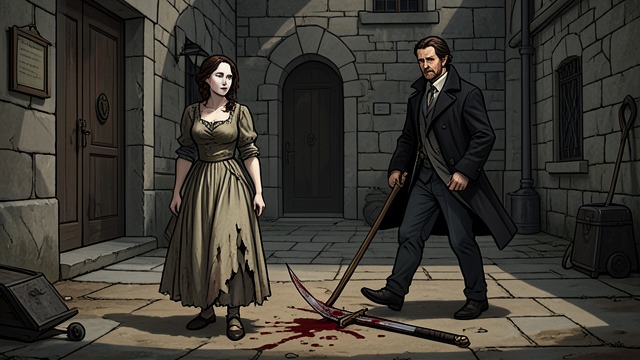
The combat closes the legal proceeding, but later chronicles question whether the wrong man died. The result provides official certainty without universal belief.
A broader critique
The case exposes the distance between a capital law and dependable justice. It also reveals how the victim’s testimony could be both indispensable and discredited.
Thirteenth century
Late fourteenth century
January 1386
Summer 1386
After the duel
