
The Last Authorized Duel
The Last DuelThe Carrouges case becomes a landmark in the decline of judicial combat, while later law and legend continue to debate its meaning.
increasing Bearing strength in each event
 decreasing
Bearing strength in each eventdecreasingCombat Loses Ground
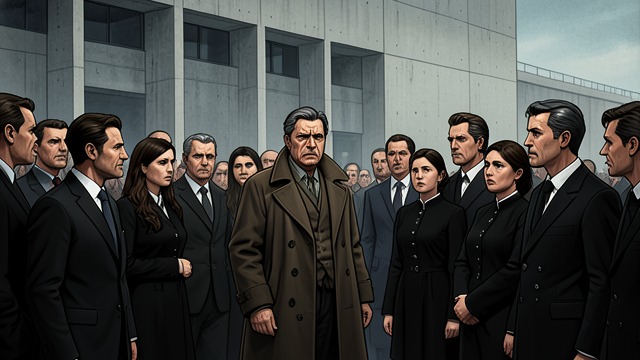
Combat Loses Ground
A changing legal order
French kings increasingly restrict judicial duels as royal courts and written inquiries expand. The practice threatens both manpower and centralized judicial authority.
A surviving exception
Combat remains available in certain serious criminal appeals. Its survival reflects noble privilege and a belief that God may reveal truth through victory.
The Parlement’s Dilemma
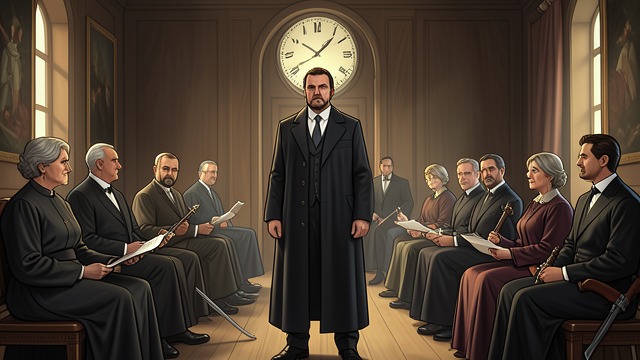
The Parlement’s Dilemma
A divided court
The Parlement faces competing testimony, political alliances, and intense public interest. Refusing or granting combat could provoke criticism from powerful factions.
Judgment delegated
The court authorizes a duel and leaves the final determination to battle. Legal procedure thus yields to an older form of proof at a moment of uncertainty.
A Spectacle of Justice

A Spectacle of Justice
Law becomes theater
The king, nobles, clergy, and thousands of spectators witness the duel. Ritual and regulation make the violence appear orderly and authoritative.
A controversial result
Jean’s victory is celebrated by many but disputed by others. The same event functions as legal resolution, public entertainment, and an unresolved historical claim.
No More Paris Duels
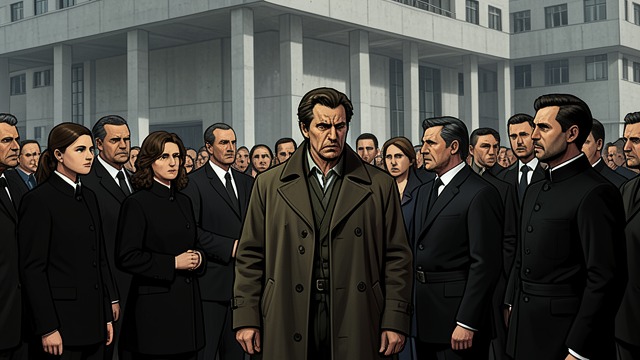
No More Paris Duels
The last authorization
The Parlement never again sanctions a judicial duel. Later appeals are heard without resulting in another authorized combat.
A turning point
The case is often associated with the institution’s decline, though its disappearance is gradual. Its failure to settle every doubt helps expose the weakness of combat as a truth-finding method.
A Long Afterlife

A Long Afterlife
Enlightenment criticism
Writers use the case to condemn medieval superstition and the irrationality of judicial combat. Later historians repeat legends of a mistaken accusation and a belated confession.
Reassessment remains open
Modern readers return to the trial record and the lawyer’s notes, finding grounds to question the old legend. The case survives because its verdict cannot fully silence uncertainty.
Thirteenth century
September 1386
29 December 1386
After December 1386
Eighteenth and nineteenth centuries
