
The Uncertain Truth
The Last DuelThe narrative distinguishes the judicial outcome from historical certainty, tracing how competing interpretations persist from the first chronicles to later scholarship.
increasing Bearing strength in each event
 decreasing
Bearing strength in each eventdecreasingA Lawyer’s Doubt
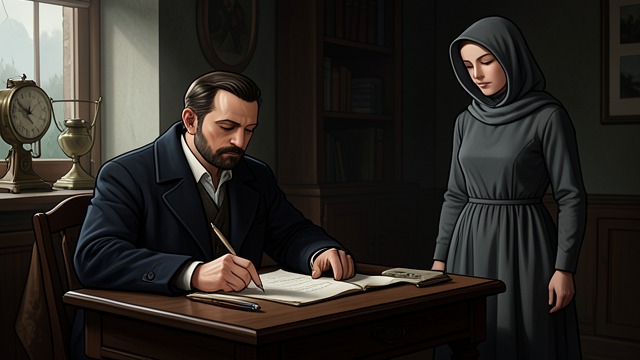
A Lawyer’s Doubt
Inside the defense
Jean Le Coq records arguments both for and against Le Gris. He notices Marguerite’s unchanging testimony and the strength of the counterarguments.
Knowledge reaches a limit
His concluding observation is that no one really knew what happened. The lawyer’s caution becomes a frame for the book’s treatment of uncertainty.
A Confession Legend
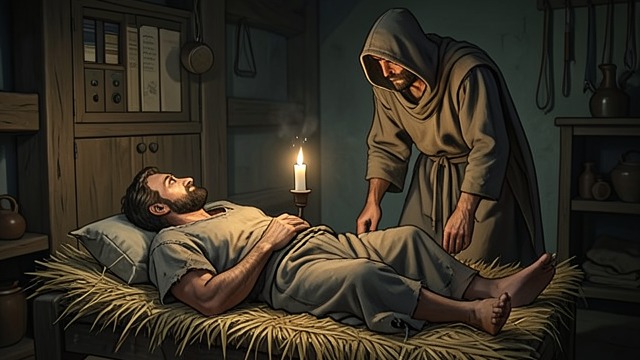
A Confession Legend
A later story emerges
The Saint-Denis Chronicle reports that a condemned felon confessed to the assault. A later chronicle changes the figure into a sick man on his deathbed.
Details remain absent
Neither version establishes when, where, or how the confession occurred. The story offers emotional closure but not verifiable evidence.
Marguerite’s Reputation Rewritten
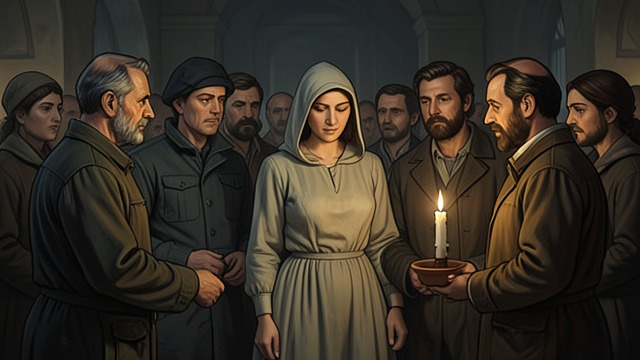
Marguerite’s Reputation Rewritten
Enlightenment criticism
Writers invoke the case to condemn trial by combat as irrational and barbarous. The legend of a false accusation helps make the judicial duel an example of medieval error.
The woman becomes a lesson
Marguerite is often portrayed as mistaken or remorseful, despite the lack of evidence for a later confession or convent retreat. Historical argument changes her story as it criticizes the institution.
Historians Take Sides
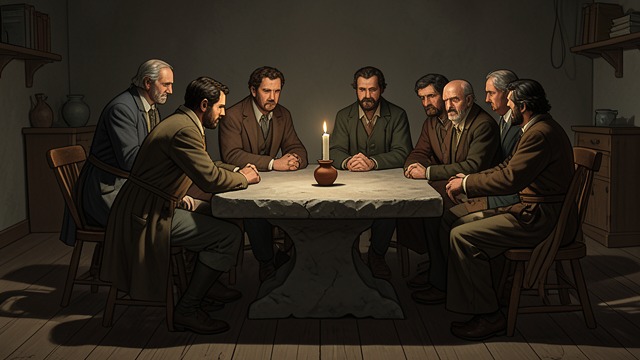
Historians Take Sides
Competing defenses
Some historians argue that Marguerite’s accusation was true; others defend Le Gris or repeat the mistaken-identity legend. Family affiliation and inherited loyalties sometimes influence interpretation.
Source criticism matters
The book compares these claims with the legal record and Le Coq’s notes. Repetition alone does not turn a legend into evidence.
An Open Historical Question
An Open Historical Question
Evidence favors but cannot prove
The author finds mistaken identity and deliberate fabrication implausible, especially given Marguerite’s detailed identification of two men. Yet surviving evidence cannot deliver certainty.
Verdict and truth diverge
The duel supplies a legal ending, while historical judgment remains provisional. The enduring story lies partly in the gap between those two kinds of resolution.
Late 1386
Early fifteenth century
Eighteenth century
Nineteenth and twentieth centuries
The book’s closing reflection
