
The Meaning of the Last Duel
The Last DuelThe book’s closing perspective treats the duel as both a dramatic ending and a flawed mechanism whose symbolic certainty conceals unresolved human truth.
increasing Bearing strength in each event
 decreasing
Bearing strength in each eventdecreasingA Duel Made Exceptional
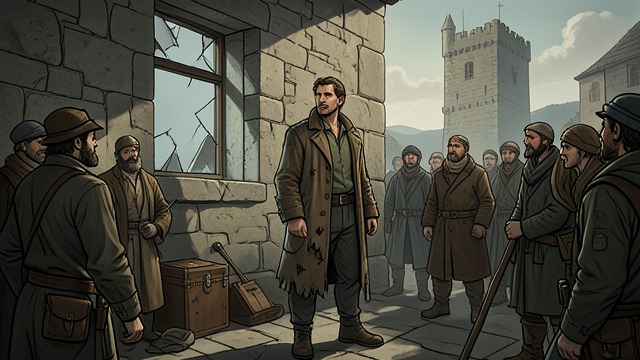
A Duel Made Exceptional
A rare legal remedy
By 1386, judicial duels are uncommon and closely restricted. The Carrouges case therefore appears extraordinary before the combat even begins.
A system under pressure
The wager tests whether an old custom can still address a grave crime. Its rarity makes the proceeding both a legal anomaly and a public spectacle.
The Last Authorization
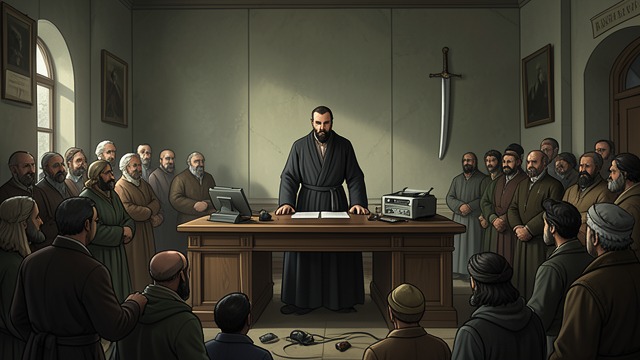
The Last Authorization
A decision with consequences
The Parlement orders combat after months of inquiry. Its choice transfers the final decision from written evidence to bodily risk.
Two lives exposed
Jean and Le Gris will fight to the death, while Marguerite faces punishment if Jean loses. The procedural decision turns uncertainty into an irreversible wager.
The Day of Combat
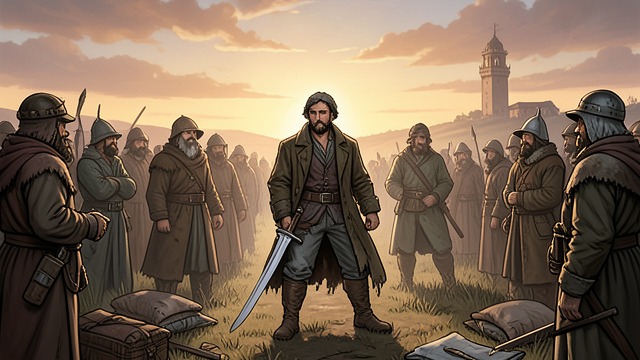
The Day of Combat
A public ending
The duel concludes with Le Gris dead and Jean alive. The crowd and court accept the result as a judgment that closes the legal quarrel.
A story’s apparent resolution
Marguerite is saved and the couple is reunited. The immediate crisis ends, but the meaning of the verdict remains open to later readers.
The Verdict’s Afterlife
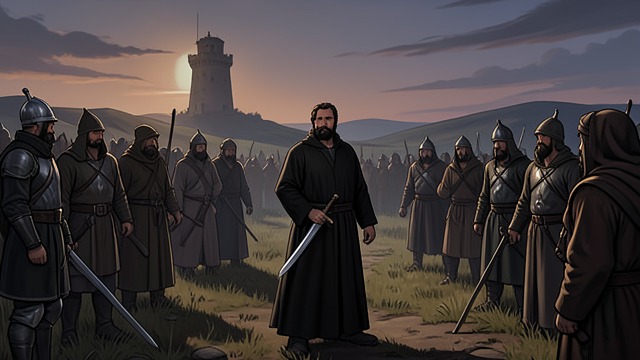
The Verdict’s Afterlife
Chronicle disputes
Later accounts introduce the claim that another man confessed, preserving doubts about Le Gris’s guilt. The versions vary and provide no corroborating detail.
Memory contests justice
The combat’s public outcome does not silence private and familial disagreement. Le Gris’s descendants continue to resist the shame attached to his death.
An Ending Without Certainty
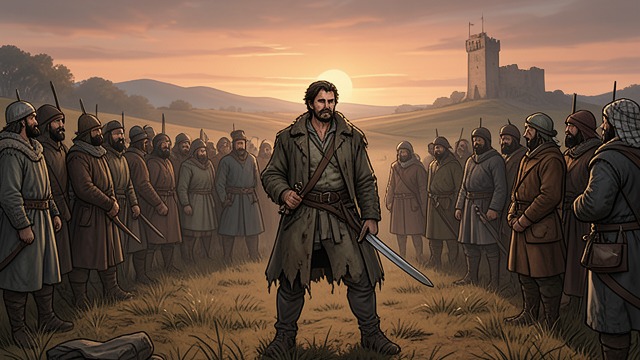
An Ending Without Certainty
The place remains
Capomesnil is quiet, and the medieval château has disappeared. The landscape preserves traces of the story without offering evidence that resolves it.
Historical limits
The author concludes that Marguerite’s account deserves serious belief, while acknowledging that certainty cannot be recovered. The duel ends the case but not the question.
Late fourteenth century
15 September 1386
29 December 1386
Fifteenth century
The epilogue
