
Choice and Moral Responsibility
The Last Thing He Told MeThis flow follows the novel’s repeated question of whether people are responsible for the harm they permit while trying to protect or provide for family.
increasing Bearing strength in each event
 decreasing
Bearing strength in each eventdecreasingThe Woodworker’s Lesson
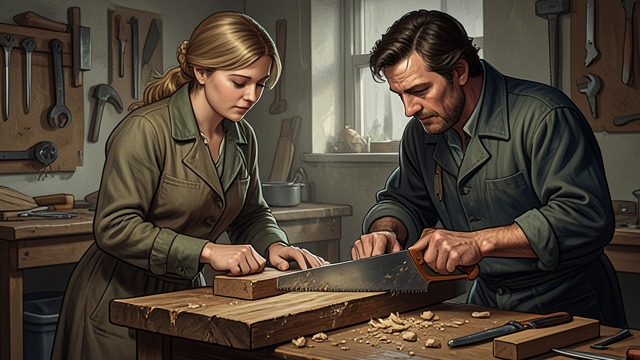
Starting Again With the Material
The Grandfather at Work
Hannah watches her grandfather reshape wood when a piece does not behave as expected. He teaches her that skilled work requires attention to what is present rather than insisting on the first plan.
A Rule for Life
The lesson helps Hannah approach the crisis as something to examine and work through, not merely endure. Her craft becomes a way to think about character, damage, and the possibilities that remain inside a changed life.
Owen Stays at The Shop
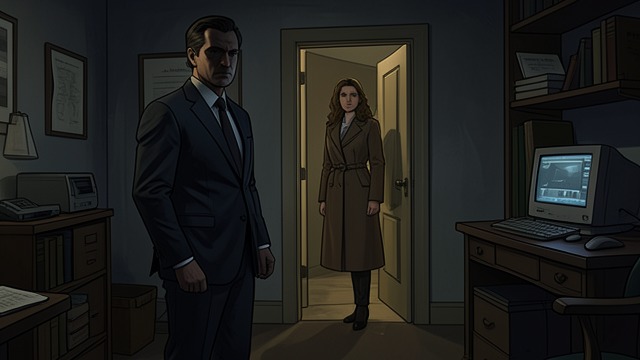
Responsibility Under Pressure
Avett’s Demands
Owen appears to recognize that The Shop’s software and public claims do not match. He stays, believing he may be able to make the product work and prevent the company’s false financial picture from collapsing.
Repair or Complicity
His decision may have been an attempt to protect employees and family, but remaining inside the company also exposes him to the consequences of its conduct. Good intentions do not automatically cancel the risks of inaction.
Nicholas’s Defense of Himself
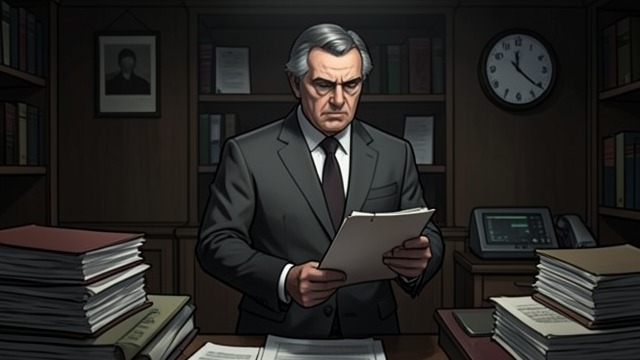
Doing One’s Job
A Lawyer’s Justification
Nicholas describes representing clients as a professional duty and compares the moral compromise to work that supports harmful industries. He believes he served his family while maintaining an honorable legal role.
Hannah’s Challenge
Hannah argues that knowing the harm matters, even when someone has a family to support. Their disagreement shows how self-understanding can preserve a person’s image of goodness while other people pay the cost of his choices.
Owen’s Exposure of Nicholas
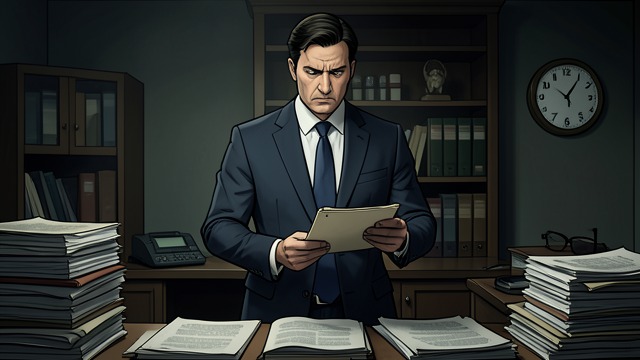
Choosing to Break Loyalty
A Dangerous Revelation
Owen turns over records of Nicholas’s encrypted communications after Kate dies. The decision helps authorities expose crimes, but it also betrays a man who had been Owen’s father-in-law and trusted him.
Justice With a Family Cost
Owen’s actions can be understood as accountability and as a devastating act against Kate’s family. The narrative refuses to make those interpretations mutually exclusive, leaving the moral weight visible on both sides.
Hannah’s Final Choice
Choosing What Can Be Preserved
A Costly Decision
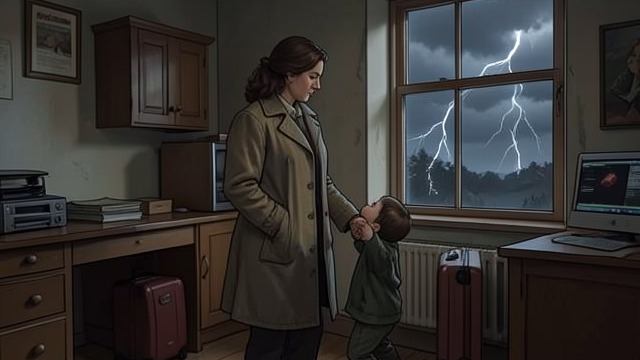
Hannah accepts that the best path for Bailey may leave Owen permanently separated from them. She does not choose the outcome because it is painless, but because Bailey’s identity and future matter more than Hannah’s wish to restore her marriage.
Responsibility as Action
The choice echoes the novel’s insistence that love is not only a feeling. Hannah accepts consequences she cannot control in order to give Bailey agency over the life that remains.
In Hannah’s childhood and early craft
During the months before the raid
During Hannah’s conversation with Nicholas
After Kate’s death
Near the ending, after the Signal call
