
The Lordship Machine
The Legend of William OhThis flow examines how the Tower’s Lordship system converts talent, infrastructure, and loyalty into political power while making exceptional Climbers vulnerable.
increasing Bearing strength in each event
 decreasing
Bearing strength in each eventdecreasingThe Lordly Dream
The Lordly Dream
Wealth as Freedom
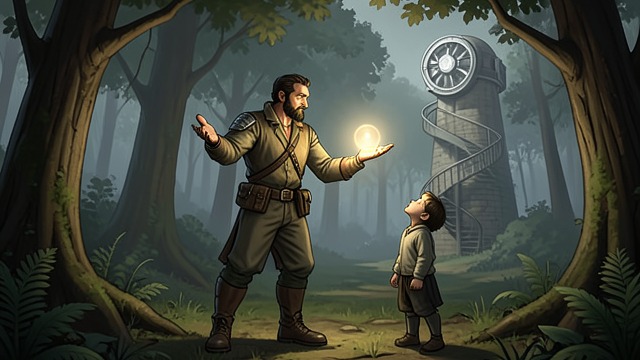
William Oh imagines Lordship as the ability to control his life, protect Ashwood, and send resources back to the orphanage. His dream is economic before it is political.
Power’s Attraction
The possibility of a Demesne transforms the Tower from a place to survive into a ladder toward sovereignty. Will’s ambition becomes a response to dependence.
The Hidden Cost
Even before he understands the system, he senses that a Lord must remain alive. Survival is therefore framed as the foundation of authority.
Vassalage Explained
Vassalage Explained
The Political Ceiling
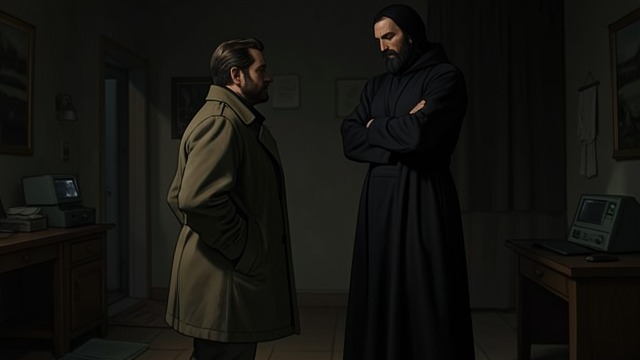
Steve Holland explains that Vassals cannot become Lords themselves. The arrangement concentrates power by turning capable Climbers into permanent supports for another person’s ascent.
Talent as Property
Exceptional newcomers are watched, recruited, coerced, or killed. Their potential becomes a resource that established Lords attempt to own.
William Oh’s Danger
Will’s unusual stat growth makes him valuable before he has the strength to defend his independence. His ambition therefore attracts precisely the system he hopes to escape.
The Climber Bus
The Climber Bus
Advancement by Contract
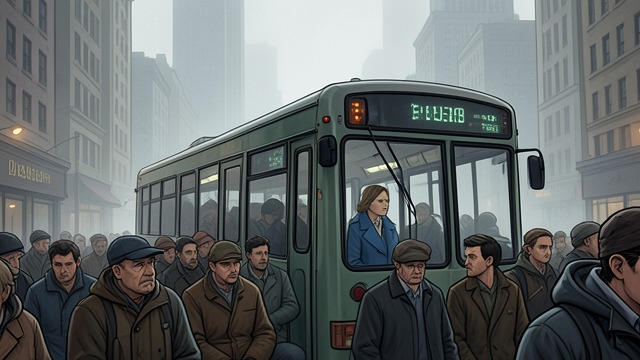
The Climber bus transports non-combat Climbers toward Strongholds where they will work for years. The arrangement offers safety and opportunity while restricting future freedom.
Economic Necessity
Brianna accepts such a route because her family needs the benefits of her Baker Class. Her personal choice is constrained by the promise of collective advancement.
A Systemic Contradiction
The Tower presents Climbing as individual merit, yet many lives are organized through contracts, sponsors, and inherited infrastructure. Advancement is never purely personal.
Mark Wyrd’s Claim
Mark Wyrd’s Claim
A Manufactured Opportunity
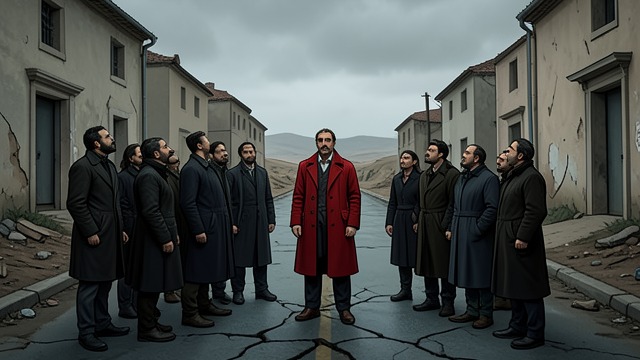
Mark Wyrd arrives at Oilton with Vassals already assembled, expecting to convert a destroyed city into a Lordship. The empty territory appears to reward him for a disaster he did not prevent.
Ritual over Reality
His claim depends on the formal recognition of The System rather than moral responsibility. The Tower can validate a Lord even when the city’s people are dead.
Power’s Indifference
Mark’s disappointment at finding no surviving monsters reveals how Lordship can turn catastrophe into administrative inconvenience. The system measures eligibility, not justice.
The Stolen Relic
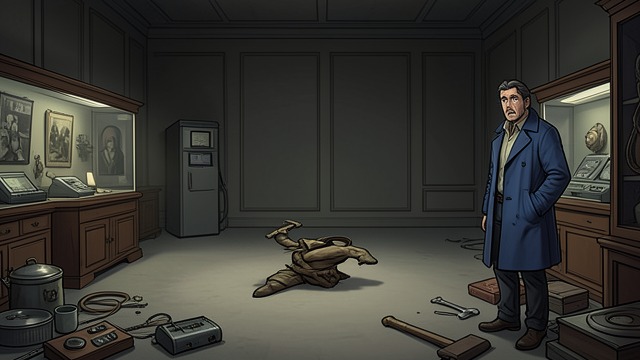
The Stolen Relic
An Empty Display
William Oh finds one conspicuous gap among the Lord’s Relics. The missing item is more significant than the remaining wealth because it implies a targeted operation.
Power Concentrated
Whoever stole it did not seek ordinary profit. The Relic likely completed a Build or enabled an attack capable of reshaping a Stronghold.
A Political Lesson
The absence teaches Will that Lordship is built around singular advantages as much as armies. A single Relic can become the reason a city is destroyed.
before William Oh’s first Class Trial
during Steve Holland’s explanation of Lordship
during the ascent from the Second Floor to the Third Floor
during Mark Wyrd’s takeover of Oilton
during the investigation of Oilton’s ruined castle
