
Harry and Øystein: Friendship Without Pretence
The Leopard (Jo Nesbø Edition)This thread traces Harry and Øystein’s long friendship through shared mischief, unequal struggles with family and alcohol, and the small acts of companionship that remain when Harry’s losses overwhelm him.
increasing Bearing strength in each event
 decreasing
Bearing strength in each eventdecreasingTwo Boys Outside the Crowd
Two Boys Outside the Crowd
Friendship by proximity
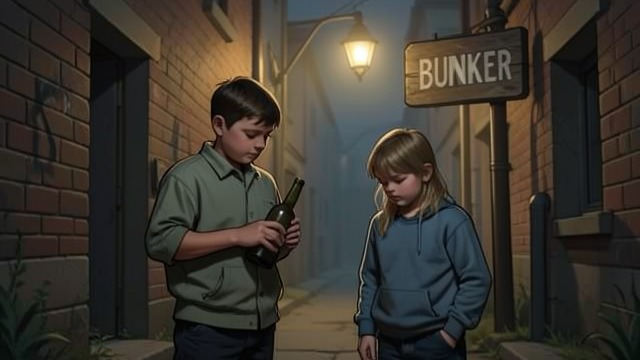
Harry and Øystein grow up together in Oslo and spend time in places away from more conventional teenage life. They remember bunkers, abandoned spaces, and the feeling of waiting for adolescence to pass rather than joining the parties around them.
Shared habits and private jokes
They trade stories, drink, and cultivate a friendship built less on lofty claims of soul-mate connection than on familiarity and humor. Their memories include small acts of rebellion and the routines of two boys who are more comfortable with each other than with most other people.
An unvarnished account of belonging
As adults, Øystein admits that perhaps they became friends because nobody else wanted to be friends with them. Harry includes their friend Holzschuh in that old circle. The honesty does not weaken their bond; it gives it a durable, unsentimental foundation.
The Bunkers and the Homecoming
The Bunkers and the Homecoming
A friend recognizes the escape
When Harry returns from Hong Kong, Øystein drives him to his childhood home. Their joking recollections expose Harry’s familiar way of avoiding parties, intimacy, and other people by retreating to the bunkers with his friends.
Grief breaks through the banter
Harry tells Øystein that Olav is seriously ill. Øystein responds with genuine sympathy and promises to tell his own father, treating the news as something that belongs within their old circle rather than as a formal condolence.
A place that holds the past
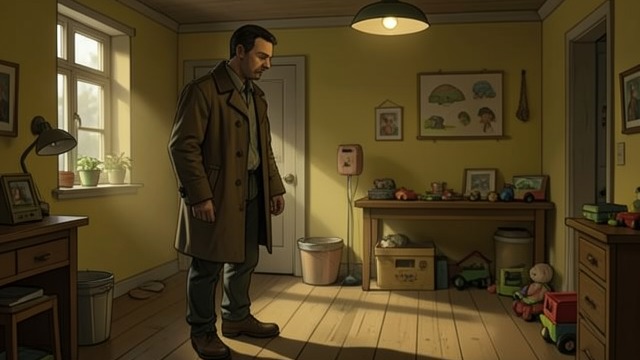
At the yellow house in Oppsal, Harry moves from room to room, reliving childhood memories until he cries. Øystein has brought him to the place where grief can catch up with him, without demanding that he explain himself or make the feeling more presentable.
A Visit Made for the Living
A Visit Made for the Living
Øystein’s resistance
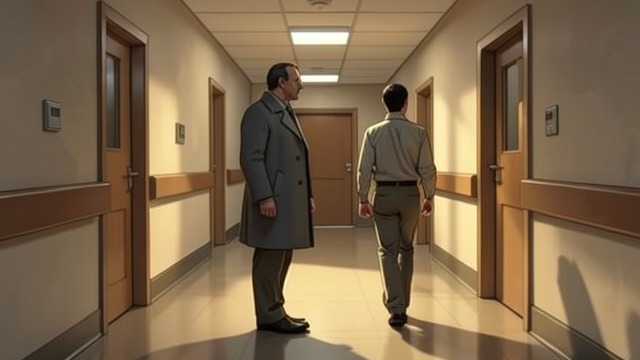
Harry tells Øystein that Olav is in a coma and suggests that he visit while his father is still alive. Øystein resists because hospitals make him uncomfortable and because he doubts that his father can hear him.
The source of his gratitude
Harry explains that Øystein received much of his upbringing from Olav, not from his own father. The reminder shifts the proposed visit away from a duty owed to a dying man and toward a chance for Øystein to acknowledge what Olav gave him.
A promise to try
Øystein agrees to visit the next day. His decision is modest but consequential: the friendship lets Harry pass on a form of care he himself struggles to offer. The bond between the two men thus extends through the influence of a father neither can simply replace.
The Birthday Drive

The Birthday Drive
A friend comes when called
Harry asks Øystein to drive him to meet Kaja, and Øystein arrives despite claiming that he is no taxi driver. Their banter about sex, failed relationships, and the absurdity of life preserves the ease of an old friendship even when Harry is visibly unwell.
Humor as a language of care
Øystein jokes about his imagined ex-wife and a rival lover, while Harry refuses to respond in the expected way. The exchange is deliberately rough, but it lets each man remain present without forcing the other into comforting declarations.
A familiar companion at a turning point
Øystein drives Harry toward a meeting that will change their lives and does not demand a full explanation. His ordinary willingness to show up becomes a counterweight to Harry’s isolation, even as Harry remains uncertain about what kind of future he can offer anyone.
The Last Shared Drink
The Last Shared Drink
An old ritual returns
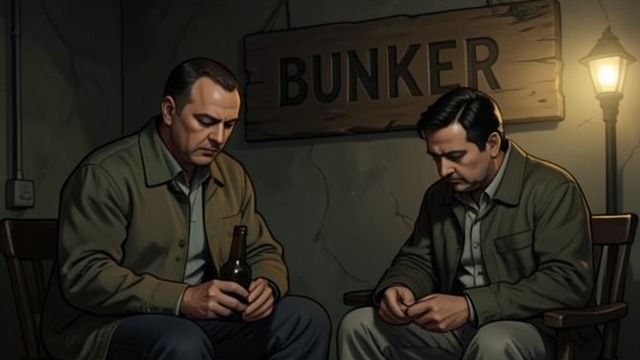
Harry meets Øystein at the bunkers, where they listen to music, smoke, and share whiskey. The setting returns them to the places where their friendship took shape, but the familiar ritual now carries the weight of Olav’s death and Harry’s approaching departure.
Different kinds of regret
Øystein admits that he does not regret enough, while Harry believes he regrets too much because he imagines he could have chosen differently. Their disagreement reflects their different ways of surviving disappointment, without breaking the easy trust between them.
The promise of another attempt
Harry speaks of learning from failure and behaving differently next time. Øystein challenges his optimism, but he remains beside him. The scene does not resolve Harry’s addiction or grief; it preserves the possibility that friendship can accompany an uncertain effort to change.
During Harry and Øystein’s adolescence
The night Harry returns to Oslo
After Harry learns Olav is in a coma
During Harry’s final days in Oslo
After Harry has left the police and before he travels again
