
The Sicilian Refusal of Reform
The LeopardThis thread traces the Prince’s account of Sicily as a society shaped by foreign rule, harsh landscape, and resistance to efforts at change.
increasing Bearing strength in each event
 decreasing
Bearing strength in each eventdecreasingThe Island Under Many Rulers

The Island Under Many Rulers
A long history of subjection
Don Fabrizio Corbera, Prince of Salina, tells Chevalley that Sicily has endured successive outside civilizations without making them fully its own. The island’s political history has left inhabitants exhausted and suspicious.
History as atmosphere
The Prince presents conquest not as a sequence of regimes alone but as a force shaping habits and expectations. His account challenges the new government’s confidence that formal annexation can create belonging.
A Landscape Without Measure
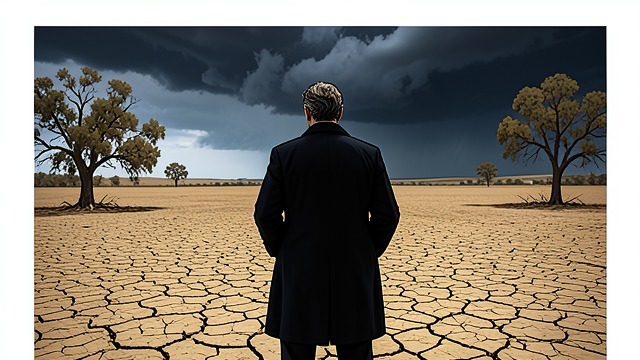
A Landscape Without Measure
Heat and extremes
The Prince describes a land caught between oppressive heat, drought, and sudden destructive rain. Such extremes make sustained labor difficult and turn ordinary life into continual strain.
Environment and temperament
He links the climate and landscape to a society inclined toward inertia and withdrawal. His explanation is not a simple excuse, but an argument that reformers underestimate the forces they hope to overcome.
Sleep Against Improvement
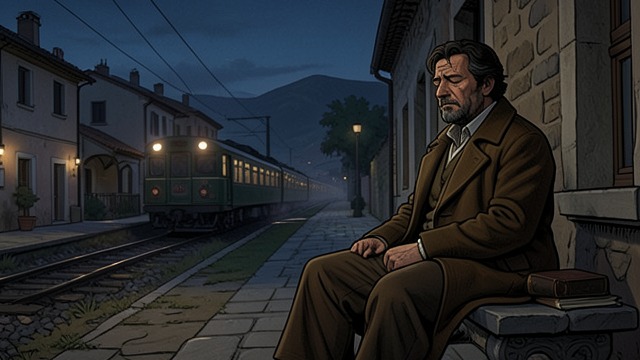
Sleep Against Improvement
The refusal to awaken
The Prince insists that Sicilians want sleep more than transformation. He doubts that political gifts from the new kingdom can overcome a settled conviction that the island is already complete.
A conflict of expectations
Chevalley sees reform as a moral duty; the Prince sees it as a project that local society will resist. Their disagreement exposes the distance between national optimism and lived Sicilian experience.
The Sin of Doing
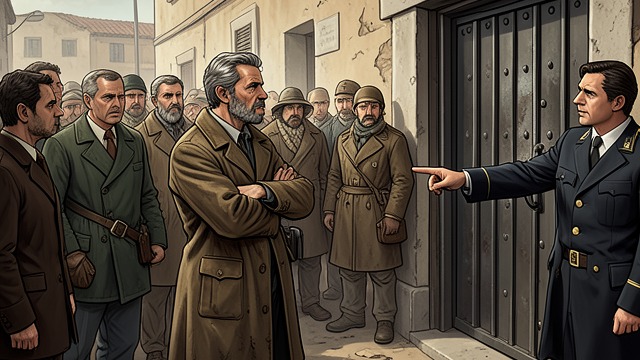
The Sin of Doing
Activity becomes suspect
The Prince argues that Sicilians resent not only bad government but the act of attempting to change anything. Long experience has trained them to distrust projects imposed from outside.
A prophecy of continuity
His account anticipates the limits of the new administration. Change may alter officials and laws while leaving the deeper habits of society intact.
The Centenarian at the Exhibition
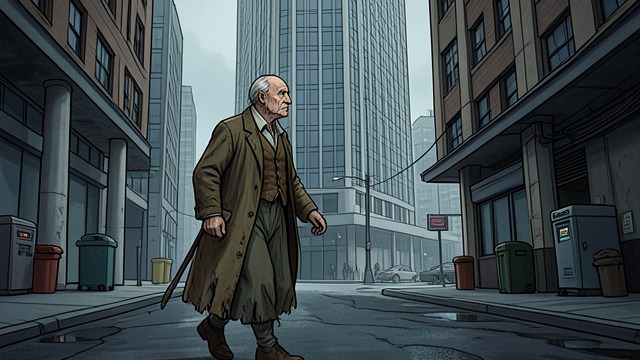
The Centenarian at the Exhibition
A bleak image of progress
The Prince imagines Sicily as a very old person dragged through the modern world, unable to understand or care about its industrial achievements. The image makes political modernization feel like an alien spectacle.
No easy resolution
Chevalley leaves still hoping that administration can improve conditions, while the Prince expects continuity. The novel leaves both positions exposed to the future rather than offering a program for reform.
November 1860, during the conversation with Chevalley
November 1860, during the Prince’s explanation of Sicilian character
November 1860, near the end of the Senate discussion
November 1860, as the Prince explains political abstention
November 1860, before Chevalley leaves
