
The Ballot’s Unstable Truth
The LeopardThis thread explores how the novel’s political events become stories shaped by fear, advantage, memory, and competing interpretations.
increasing Bearing strength in each event
 decreasing
Bearing strength in each eventdecreasingA Word from the Newspaper

A Word from the Newspaper
Official language
News of Giuseppe Garibaldi’s landing reaches the Prince through the newspaper’s language of piracy and disorder. The description reflects the Bourbon government’s attempt to control how events are understood.
The Prince’s skepticism
Don Fabrizio Corbera, Prince of Salina, distrusts the report but is not yet certain what the new force will accomplish. Public facts arrive already framed by political interest.
The Ceremony of Unanimity

The Ceremony of Unanimity
The result as spectacle
A unanimous result is proclaimed amid celebration, transforming a count into a public story of common consent. The performance leaves little room for doubt or dissent.
The uncounted meaning
The Prince senses that the numbers cannot fully describe what people believe. The ceremony’s certainty becomes suspicious precisely because it is so complete.
The Conflicting Testimony
The Conflicting Testimony
A private witness
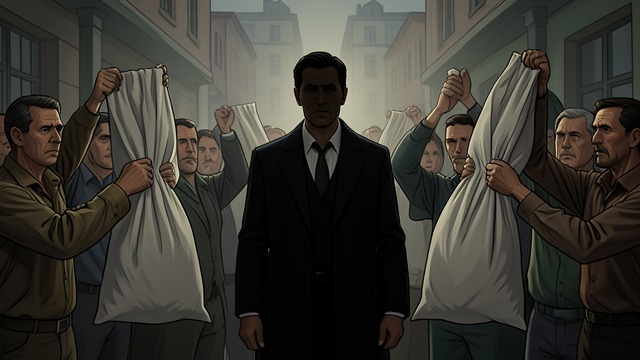
Don Ciccio Tumeo tells the Prince that he voted no, contradicting the official total. His testimony is personal, direct, and excluded from the public record.
A truth altered by power
The conflict between count and memory shows how institutions can shape the facts later generations inherit. The novel treats the suppressed vote as more revealing than the announced result.
The Tale of Tancredi’s Heart
The Tale of Tancredi’s Heart
A memory retold
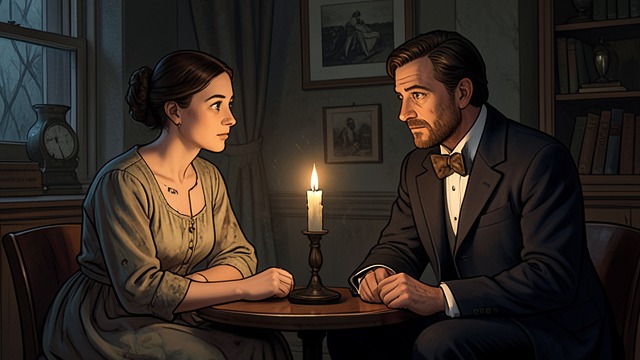
Senator Tassoni tells Concetta that Tancredi remembered her with tenderness after the convent incident. His account gives a new meaning to an old rejection.
Another version follows
Angelica claims that Tancredi never took notice of Concetta. Neither speaker can settle what the dead man felt, and the truth changes again as personal loyalties intervene.
Pain Without Proof
Pain Without Proof
The past becomes uncertain
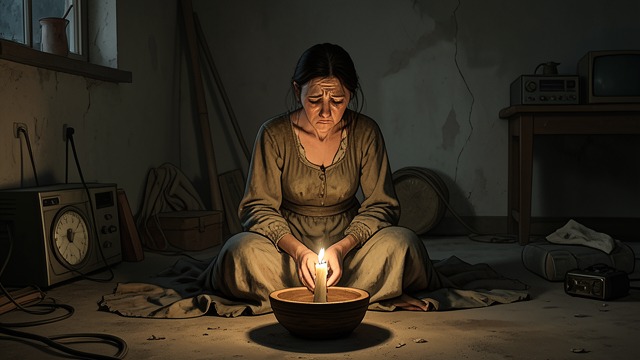
Concetta cannot verify Tassoni’s story or dismiss it. Her memory is challenged by testimony that arrives too late to change anything.
Feeling outlasts fact
The novel suggests that the historical truth may disappear while its emotional consequences remain. Concetta’s sorrow becomes certain even when the account that caused it is not.
May 1860, after news of the landing
October 1860, during the Donnafugata plebiscite announcement
October 1860, after Tumeo’s private confession
May 1910, during Tassoni’s conversation with Concetta
May 1910, after the visitors depart
