
The Last Salina Memories
The LeopardThis thread traces the passage from a richly remembered family world to a later generation for whom its name and possessions have become largely empty forms.
increasing Bearing strength in each event
 decreasing
Bearing strength in each eventdecreasingA House Full of History
A House Full of History
Memory embodied in rooms
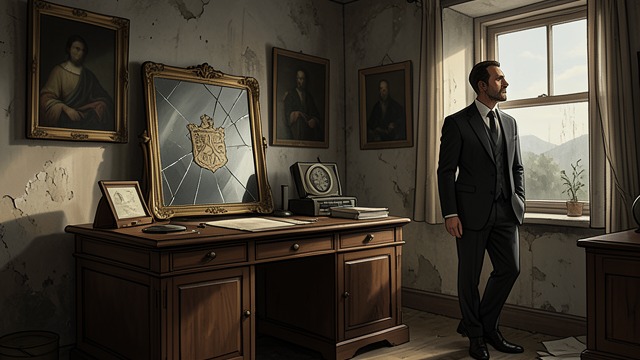
The family’s ceremonies, estates, portraits, and heraldic images make the Salina past visible in everyday life. Don Fabrizio Corbera, Prince of Salina, experiences the house as both possession and inherited identity.
Continuity already weakening
The same objects that proclaim stability also reveal neglect and decline. Their beauty cannot guarantee that later generations will understand what they represent.
The Palace as an Archive
The Palace as an Archive
Hidden rooms and past lives
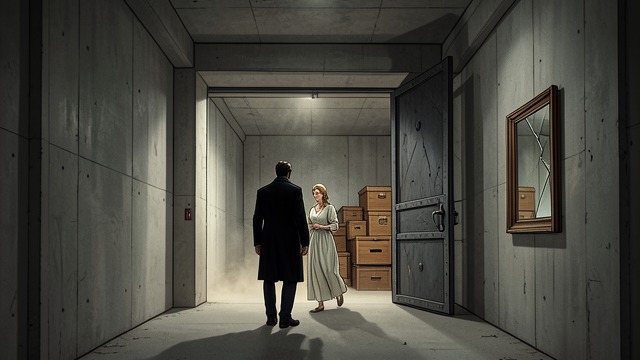
Tancredi Falconeri and Angelica Sedàra discover abandoned apartments and objects that carry traces of earlier generations. The palace preserves histories that its current inhabitants barely know.
Desire among remnants
Their exploration turns inherited space into a setting for new experiences. The old house is neither a stable museum nor a simple home; it is a changing archive of use, secrecy, and decay.
The Prince’s Life Ledger

The Prince’s Life Ledger
Small moments counted
As he approaches death, Don Fabrizio Corbera, Prince of Salina, weighs his life through memories of marriage, children, astronomy, hunting, and Tancredi. The balance is unexpectedly brief.
A private standard of meaning
His reckoning rejects public status as a sufficient measure of life. What remains valuable is particular experience, though he fears that his descendants will inherit the objects without the memories that made them matter.
A Name Without Its Past
A Name Without Its Past
The next generation
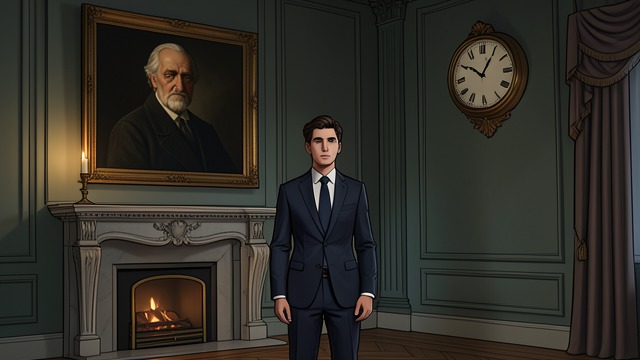
The Prince imagines his grandson carrying the Salina name while sharing ordinary interests with his peers. To him, the family’s distinctive memory will not pass intact.
Tradition becomes display
He fears that inherited objects will become fashionable possessions and the family title mere outward show. The concern completes the distinction between biological descent and cultural continuity.
The Villa’s Quiet Ruins
The Villa’s Quiet Ruins
An inventory of absence
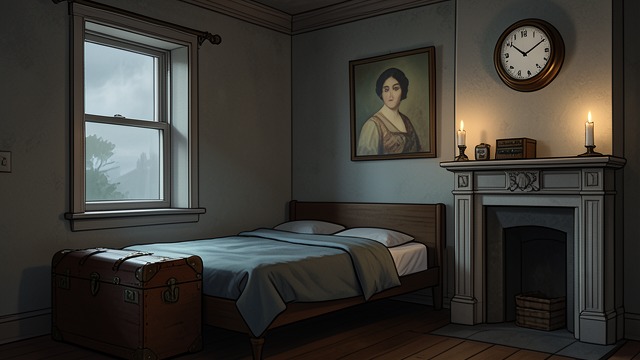
Concetta Salina’s room contains locked linens, portraits of the dead, and reminders of places and people lost. The carefully ordered space is also a storehouse of abandonment.
Objects lose their witnesses
The contents retain meaning mainly for Concetta, the last person able to connect them to their past. With her, the family’s living memory approaches its end.
May 1860, during the family’s daily routine
November 1860, during the lovers’ explorations
July 1883, during his final review
July 1883, during the Prince’s thoughts of his grandson
May 1910, in Concetta’s room
