
The Economy of Desire
The LeopardThis thread follows desire as both intimate feeling and social force, shifting between restraint, appetite, marriage, and memory.
increasing Bearing strength in each event
 decreasing
Bearing strength in each eventdecreasingThe Prince’s Appetite
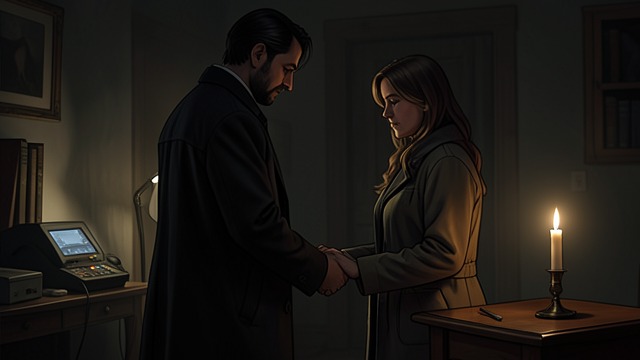
The Prince’s Appetite
Desire and self-justification
Don Fabrizio Corbera, Prince of Salina, visits Mariannina and interprets his infidelity as a lesser sin that prevents worse behavior. His reasoning exposes the ease with which appetite can borrow moral language.
Pleasure shadowed by disgust
He returns satisfied yet ashamed, imagining himself as a pig and recalling a poem about facing body and heart without revulsion. Sensuality offers relief without reconciliation.
A Daughter’s Dangerous Hope
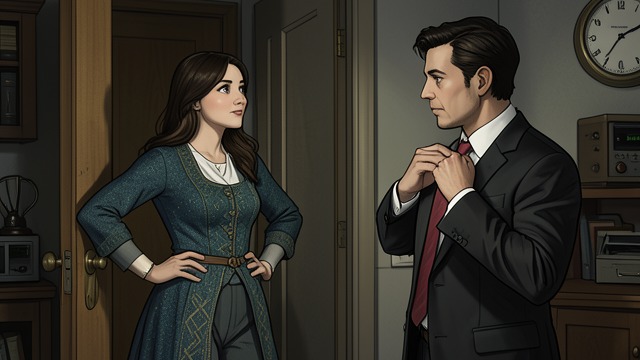
A Daughter’s Dangerous Hope
Love interpreted from signs
Concetta believes Tancredi’s gestures show that he loves her. Her hope exposes how little direct speech exists between the young people.
Desire becomes a family problem
The Prince evaluates the possible marriage in terms of money, political ambition, and social fitness. The daughter’s feeling is caught inside a calculation that she does not control.
The Lovers’ Game
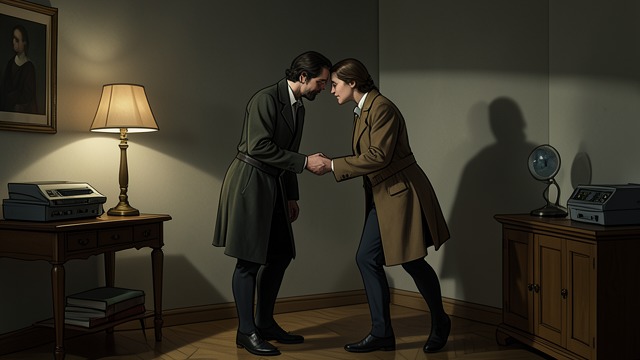
The Lovers’ Game
Nearness without fulfillment
Tancredi and Angelica explore rooms, touch, retreat, and return to one another. Their restraint makes each encounter more charged.
A temporary ideal
Because they do not consummate the relationship at once, their desire briefly acquires the intensity of an ideal. The novel contrasts that interval with the less successful marriage that follows.
The Marriage’s Public Face
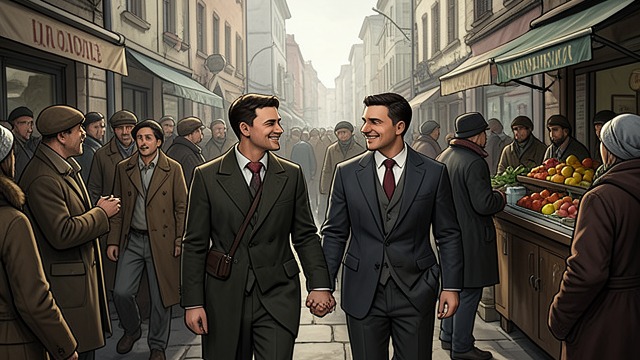
The Marriage’s Public Face
A polished couple
Tancredi and Angelica display their partnership before Palermo society. Their affection is real, but the marriage also confirms financial and political advantages.
Desire placed in history
Don Fabrizio watches them with tenderness while knowing that their lives will contain conflict and disappointment. The dance makes private desire part of a public social arrangement.
Desire at the End of Life
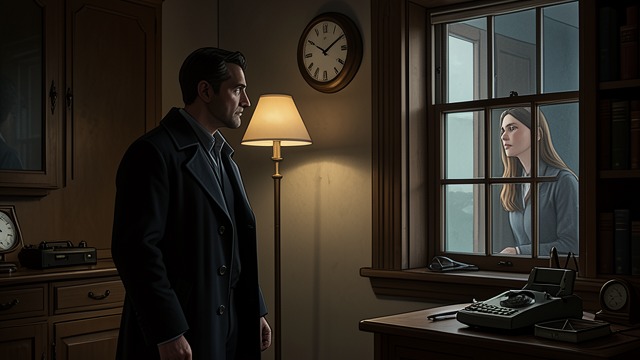
Desire at the End of Life
A final imagined arrival
As death approaches, the Prince sees a young woman whom he understands as the answer to an old longing. The image gives desire a form beyond ordinary social life.
Fulfillment through departure
The vision does not repair his marriage or recover lost youth; it accompanies his passage out of life. Desire remains powerful at the edge of death because it has always pointed beyond possession.
May 1860, during the night in Palermo
August 1860, after Concetta confides in Father Pirrone
November 1860, during the Donnafugata visits
November 1862, at Palazzo Ponteleone
July 1883, during the Prince’s final vision
