
The Animal World Beside Human History
The LeopardThis thread uses dogs, prey, and insects to place human political ambition within a more enduring world of appetite, death, and survival.
increasing Bearing strength in each event
 decreasing
Bearing strength in each eventdecreasingBendicò’s Disruptive Energy
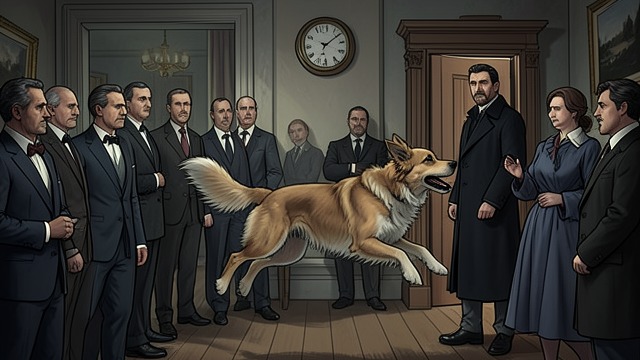
Bendicò’s Disruptive Energy
Life against ceremony
Bendicò rushes into spaces structured by prayer, rank, and etiquette. Its exuberance breaks the household’s carefully maintained solemnity.
An alternative scale
The dog’s immediate desires contrast with the Prince’s abstract political and astronomical reflections. Animal life makes the human world seem both grand and faintly absurd.
The Dead Soldier and the Lambs
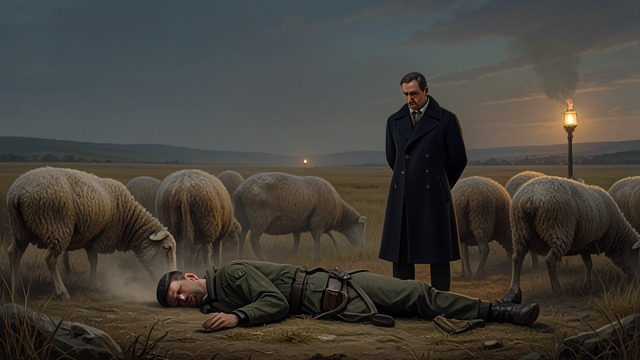
The Dead Soldier and the Lambs
Death without ceremony
The Prince remembers a mutilated soldier whose death receives only a brief religious commemoration. Later, slaughtered lambs revive the same image of exposed life.
Compassion without action
He feels pity for both humans and animals but cannot transform that feeling into a broader political response. Compassion becomes a private discomfort inside a system that treats death as ordinary.
The Rabbit’s Final Look
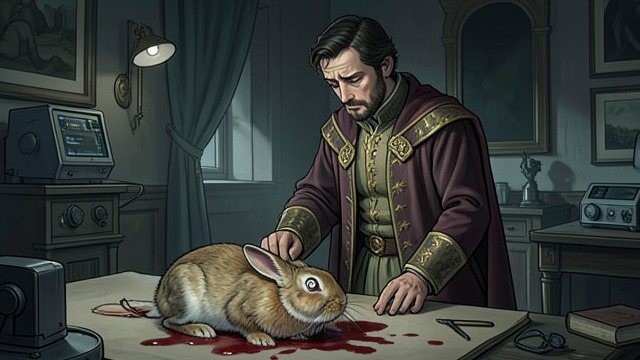
The Rabbit’s Final Look
A small death observed
The Prince watches a wounded rabbit die after the hunt. Its frightened eyes make him consider the hopes of a creature already caught.
Human fate reflected
The animal’s futile attempt to escape resembles the condition of people caught within political and historical forces. The hunt offers pleasure and pity in the same act.
Ants on the Hill
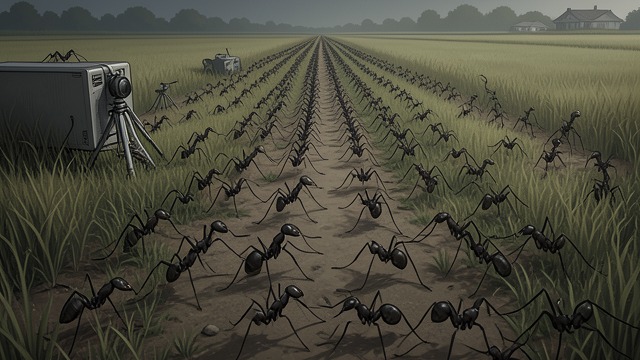
Ants on the Hill
A miniature empire
Ants cross the ground in organized groups, apparently confident in their own future. Their movement recalls public ceremonies and the political energy of the plebiscite.
History reduced in scale
The insects’ activity makes human ambitions look like one more local struggle over scraps. Nature continues without concern for dynasties, votes, or national declarations.
The Final Dust
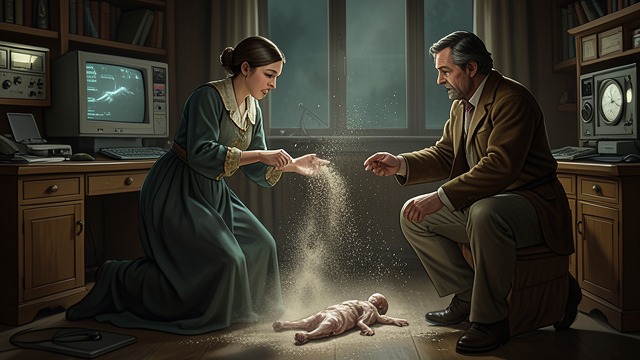
The Final Dust
The preserved animal falls
Concetta orders Bendicò’s preserved body removed from her room. The object briefly takes recognizable shape in the air before breaking apart.
An ending without monument
The family emblem disappears as dust rather than entering a grave or archive. Animal companionship and aristocratic memory share the same fragile material end.
May 1860, in the villa garden
May 1860, during the Prince’s garden reflections
October 1860, during a hunt with Tumeo
October 1860, during the countryside rest
May 1910, as Bendicò is thrown from the window
