
The Prince’s Accommodation with Change
The LeopardThis thread traces how Don Fabrizio Corbera, Prince of Salina, recognizes political change and repeatedly chooses accommodation over direct resistance.
increasing Bearing strength in each event
 decreasing
Bearing strength in each eventdecreasingA Doubt About Allegiance
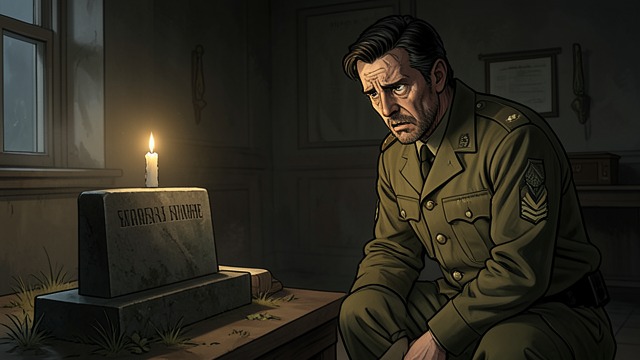
A Doubt About Allegiance
The cost of loyalty
The Prince remembers a dead soldier and wonders whether the young man knew what he died for. The question unsettles the simple claim that royal service makes sacrifice meaningful.
A weakening defense
His doubts about the monarchy’s quality make it harder to defend the existing regime as an idea. Political conflict begins inside his conscience before it reaches his estates.
The Nephew’s Reversal

The Nephew’s Reversal
Revolution enters the family
Tancredi Falconeri joins the insurgents despite his aristocratic upbringing. His choice exposes a generational conflict between inherited loyalty and political opportunism.
Resistance becomes complicity
The Prince protests but funds his nephew. The conflict shifts from whether change can be stopped to whether the family can shape it to its advantage.
A Marriage Across Classes

A Marriage Across Classes
Pride meets necessity
The Prince must ask Don Calogero Sedàra for Angelica’s hand on Tancredi’s behalf. The request places old rank in an awkward dependence on new money.
A negotiated surrender
Don Fabrizio Corbera, Prince of Salina, accepts the match because its wealth protects Tancredi’s future. The family converts social antagonism into kinship, but the bargain confirms the changed balance of power.
The Senate Rejected
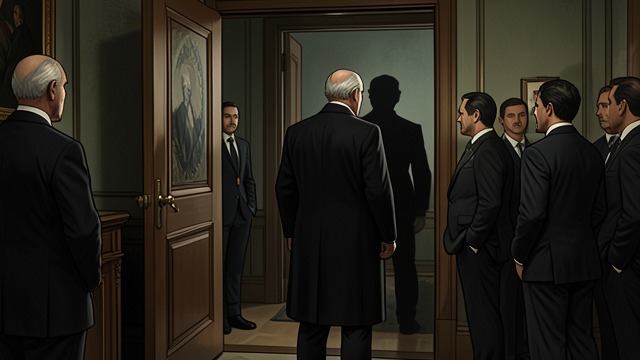
The Senate Rejected
A choice between roles
Cavaliere Aimone Chevalley di Monterzuolo invites the Prince to join the new Senate. His appeal asks the aristocrat to collaborate in institutions created after the old regime’s defeat.
Withdrawal as judgment
The Prince refuses, believing his class cannot guide a society it no longer governs. His refusal is not an attempt to restore the past but an acknowledgment that his political role is ending.
An Order Preserved by Change
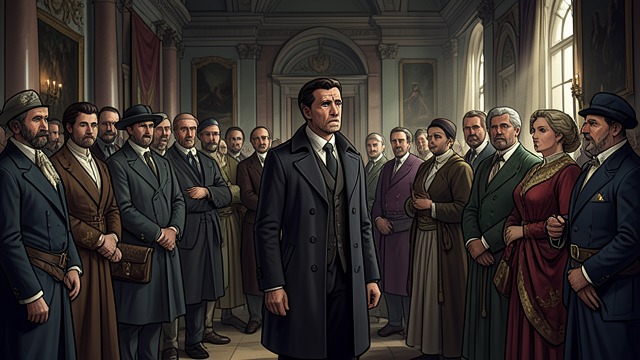
An Order Preserved by Change
The new society assembles
The aristocracy, military, and wealthy newcomers share the ball’s rooms. Their cordiality conceals unease about who now has money, office, and influence.
A conflict without resolution
The Prince feels both repelled by Don Calogero’s mercantile outlook and unable to exclude him. The old order persists through social adaptation even as its authority is being replaced.
May 1860, after the soldier’s death
May 1860, when Tancredi leaves
October 1860, during the marriage negotiations
November 1860, during Chevalley’s audience
November 1862, at the Palermo ball
