Tancredi joins Garibaldi’s revolutionary forces
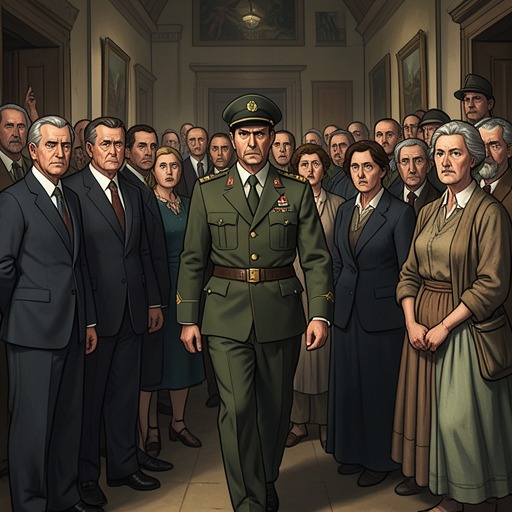
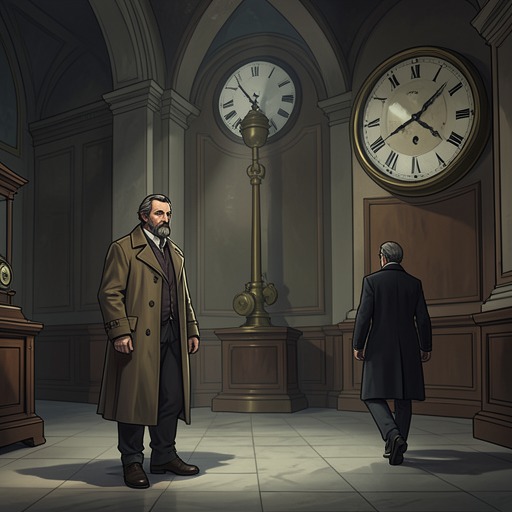
The LeopardTancredi joins Garibaldi’s revolutionary forces in a scene where private family affection and public upheaval meet at the threshold of departure. He tells his uncle, Don Fabrizio Corbera, Prince of Salina, that he is leaving within the hour for the hills at Ficuzza. The Prince objects to the insurgents and imagines Tancredi killed in a guerrilla skirmish, but his fear does not prevent him from slipping gold pieces into his nephew’s pocket. The farewell thus makes revolution both a political gamble and an intimate family act: Tancredi leaves under the tricolour, with his uncle’s money and reluctant affection behind him.
The Farewell Becomes a Departure
The episode begins in a teasing register. Tancredi has just mocked his uncle about being seen at the Villa Airoldi block post with a sergeant and a priest. The Prince finds the joke insolent, but cannot bring himself to rebuke him. When he asks why Tancredi is dressed up, expecting perhaps a morning fancy-dress ball, the young man becomes serious: he is leaving in an hour and has come to say goodbye. The sudden change in tone turns familiar banter into a scene of separation.
Tancredi describes his destination as the hills at Ficuzza and asks his uncle to keep the departure secret, especially from Paolo. He expects arrest if he stays at home, and calls the undertaking a duel. His description gives the departure urgency, but the danger is not simply an abstract political risk: the Prince immediately pictures gunfire in the woods and Tancredi lying on the ground, gravely wounded. The imagined scene reveals how quickly the Prince’s fear converts the young man’s decision into a vision of bodily loss.
Political Calculations and Royal Allegiance
The Prince’s first response is both political and personal. He calls Tancredi mad to go with the insurgents, dismisses them as criminals, and insists that a Falconeri ought to support the king. Tancredi’s answer, “For the King, yes, of course. But which King?” exposes the instability concealed by that appeal to loyalty. Royal allegiance is no longer a simple inheritance when power itself is changing hands.
Tancredi explains that inaction might allow a republic to be imposed, and offers the maxim “If we want things to stay as they are, things will have to change.” In this exchange, joining the revolution is presented not as a clean rejection of the existing order but as a way of intervening in its uncertain future. The Prince recognizes the contradiction in Tancredi’s talk: the young man sounds as if he is repeating his friends’ political rhetoric, yet his manner undercuts its solemnity. The scene leaves both motives in view—revolutionary language and practical calculation—without reducing one to the other.
The Prince’s Resistance and Support
Although the Prince fears for Tancredi and condemns the people he is joining, he does not try to stop him. He embraces his nephew as they part. Tancredi promises to return with the tricolour, making the new political emblem the visible sign of the journey and of the allegiance he is taking up. The promise is confident, but the Prince’s earlier vision of violence has already placed that confidence under threat.
The decisive action follows after Tancredi rushes down the stairs. The Prince calls him back, searches a drawer, runs after him, and slips a roll of gold pieces into his pocket before squeezing his shoulder. Tancredi understands the gesture as material assistance to the cause and jokes, “You’re subsidising the Revolution now!” The money makes the Prince’s position more complex than his spoken opposition: he will not endorse Tancredi’s political argument, but he helps make the departure possible. His support is personal and immediate, expressed through money and touch rather than agreement.
Departure and Irony
After Tancredi has gone, the Prince returns to dressing and resumes his criticism of the tricolour. He contrasts its clashing colours and geometric design with the white banner bearing a golden lily, the emblem of the old order he still prefers. The juxtaposition sharpens the irony of the episode: he has funded a revolutionary departure, yet, almost at once, denounces the movement’s symbol. Political change enters his household through Tancredi’s body, absence, and pocketed gold, while the Prince’s tastes and habits remain attached to the world being challenged.
The scene’s significance lies in this divided response. Tancredi’s decision carries him away from the family home toward armed political action, but his departure does not sever his bond with his uncle. The Prince’s fear, criticism, affection, and financial aid coexist without resolving into a shared political position. The farewell therefore presents the revolution not only as a contest over kings and emblems, but as a pressure on family loyalties: the old order can disapprove of the change and still, through affection, help set it in motion.