
Identity Beyond Class and Status
The Life ListBrett’s changing work, possessions, and neighborhoods expose how privilege shapes her assumptions and help her build a less status-driven identity.
increasing Bearing strength in each event
 decreasing
Bearing strength in each eventdecreasingStatus as a Measure

A Polished Standard
Visible success
Brett’s designer clothes, jewelry, car, and corporate role place her comfortably among wealthy professionals. She has learned to read career and income as signs of whether someone belongs in her social world.
Insecurity underneath
Despite her material ease, Brett depends on a partner’s home and a mother’s business for much of her security. The contrast exposes the difference between possessing expensive things and having an independent sense of stability.
Selling the Symbols

Wealth Reconsidered
Funding the search
Brett sells her Rolex and jewelry to pay for continued work locating her biological father. Brad is concerned, but Brett says the knowledge she seeks is worth more than the objects.
A changed priority
The sale is not a rejection of every comfort, but it marks a shift in what she values. Possessions become resources she can redirect toward identity, relationships, and the future she is trying to build.
A Different Car
Matching Means Matter
A practical exchange
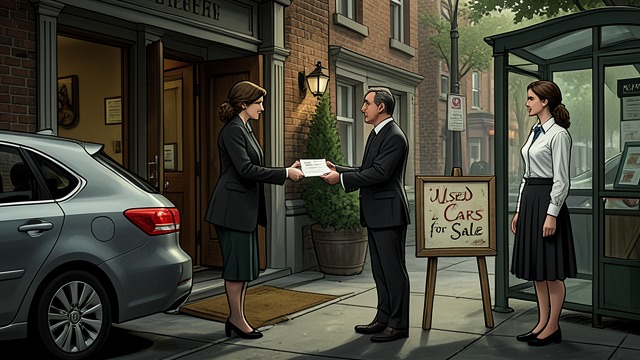
Brett trades her BMW for a used car and extra cash. She explains that driving a luxury vehicle feels wrong when many of the families she teaches do not own cars.
Awareness without self-erasure
The choice shows that Brett is becoming more conscious of economic difference. It does not make her poverty-stricken, but it changes how she understands her own privilege and the public signals she once treated as normal.
Pilsen Becomes Home
A New Map of Chicago
Crossing old boundaries
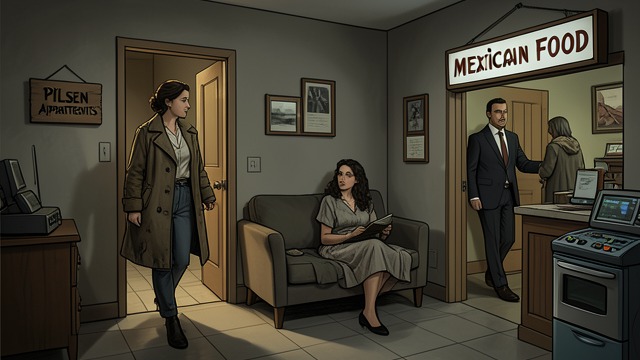
Brett once assumes she could never live south of the neighborhoods she knows. Financial realities make a move necessary, and a chance meeting introduces her to a renovated apartment in Pilsen.
Pride in modesty
The neighborhood becomes home through its residents, shops, and daily routines. Brett discovers that a less expensive life can feel warm and self-directed rather than like a downgrade.
Resources Put to Use

Money for Shared Good
A different investment
Brett uses retirement savings to help restore the therapeutic horseback program at the school Zoë attends. The choice carries a financial cost but creates an opportunity for children to gain confidence and physical support.
A public commitment
Sanquita House extends Brett’s concern beyond her own family. By the epilogue, wealth matters less as a marker of status than as a resource she can use to create security for others.
Before the funeral and estate decisions
After Steve Pohlonski’s first search fails
In December, on the way to the animal shelter
In February, as Brett signs her lease
At the August celebration and shelter opening
