Austin’s prematurity
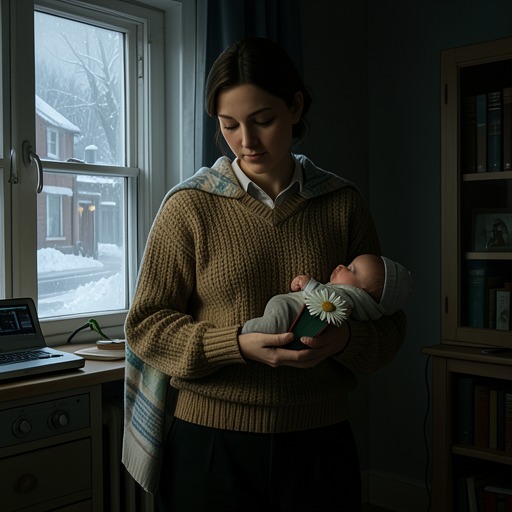
The Life ListAustin Elizabeth’s prematurity transforms a high-risk pregnancy into an immediate struggle for the newborn’s survival and brings Brett Bohlinger into an intensive, hands-on caregiving role. Born seven weeks early at just two pounds, four ounces, Austin needs respiratory support and neonatal intensive care; her first days show both the limits of medical certainty and the tangible importance of sustained human care.
Pregnancy and the Early Arrival
Before Austin’s birth, Sanquita Bell’s pregnancy is already medically precarious. At an appointment with Dr. Chan, Brett learns that Sanquita has a very serious condition affecting her kidneys, and that pregnancy is further compromising their already tenuous function. Dr. Chan warns that impaired kidney function can raise potassium levels and put Sanquita at risk of cardiac arrest, then recommends ending the pregnancy as soon as possible. Sanquita rejects the recommendation, turning to Brett in distress; Brett responds by supporting her rather than treating the doctor’s clinical advice as the end of the discussion.
The birth comes while Austin is still seven weeks from her due date. Brett abandons her plans and heads to the hospital, worried for both Sanquita and the baby. The premature delivery makes that fear concrete: Dr. O’Connor reports that Sanquita has delivered a baby girl weighing two pounds, four ounces. Austin is extremely malnourished, and her lungs are not fully developed.
Neonatal Care and Progress
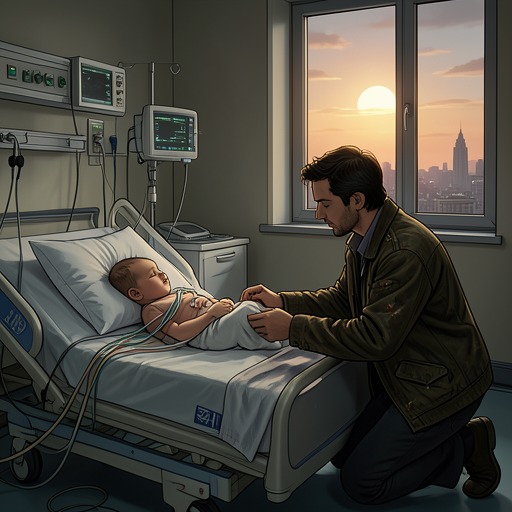
Austin is taken to the neonatal intensive care unit, where doctors place her on CPAP until she can breathe independently. Her small size and immature lungs make the early days uncertain, but the account follows progress through specific changes in her care rather than through a single declaration of recovery. After seven days of skin-to-skin Kangaroo Care, she graduates from CPAP to a nasal tube. The change lets Brett see Austin’s bowed lips and nuzzle her without the larger mask in the way.
Nine days after birth, Austin has regained the weight she lost and added another two ounces. Brett sees her as becoming less alien in appearance as she grows more familiar to her. She is also trying to coordinate sucking, swallowing, and breathing. Brett reports that Austin is close to breathing on her own, and understands independent breathing and feeding as the next steps toward reducing her reliance on the IV and feeding tube. The narrative presents this progress as an observed, incremental course of care, not as proof that the risks have disappeared.
Brett’s Caregiving and Sanquita’s Wishes
Austin’s hospitalization reorganizes Brett’s days. Each morning after the birth, Brett wakes before dawn and reaches her office before seven; she works through lunch and finishes her last appointment at two-thirty so she can spend four hours with Austin. The schedule makes caregiving a sustained commitment alongside paid work, rather than an occasional visit. Brett describes Kangaroo Care as a miracle, while the account also records its practical place in Austin’s treatment and the gradual improvements that follow.
Sanquita’s wishes give Brett’s presence a significance beyond hospital support. After the delivery, Sanquita lapses into a coma, and a caseworker later notes that the medical chart records nobody else reporting her conscious during the thirteen hours before her death. Brett insists that Sanquita woke on the evening she delivered Austin and told her she wanted Brett to keep the baby. That account is questioned in the later conversation, making Brett’s testimony—and her relationship with Sanquita—part of the circumstances surrounding the child’s future care.
Significance
Austin’s prematurity is both a medical crisis and the point at which care becomes a daily practice for Brett: hospital trips, hours of skin-to-skin contact, and close attention to small gains in breathing, feeding, and weight. The narrative sets the clinical language of malnutrition, lung development, CPAP, and intensive care beside the intimate details of nuzzling a baby and arranging a workday around her. Austin’s early progress does not erase the danger of her birth; it gives that danger a measured counterpoint, one improvement at a time.