Brett Bohlinger–Carrie Newsome
The Life ListBrett Bohlinger–Carrie Newsome is a friendship formed in childhood, broken by a failure neither woman forgets, and renewed through the difficult work of apology and presence. The relationship’s arc is more than a reunion: it shows how affection can outlast estrangement, while trust is rebuilt through specific choices to listen, show up, and care for one another.
Childhood and Recognition
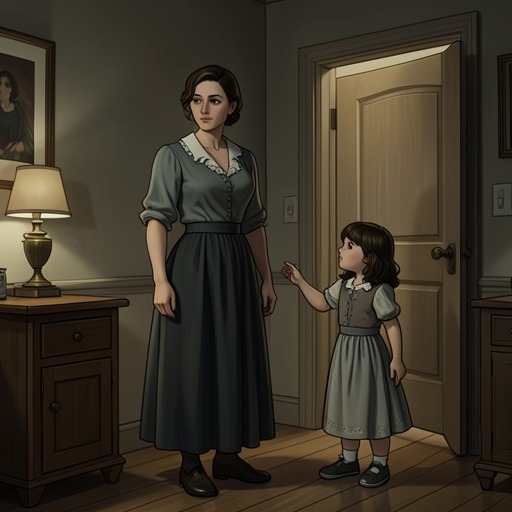
Carrie Newsome and her parents lived two blocks from Brett Bohlinger’s family on Arthur Street. As children, they seemed mismatched: Carrie was a spunky tomboy, while Brett was a skinny girlie-girl. Their friendship began when Brett was five and Carrie, carrying a black-and-white ball, recruited her to play soccer. Brett proposed playing House instead; Carrie would not agree, and the girls went to the park, where they climbed the monkey bars, swung, and giggled through the afternoon. The disagreement did not prevent intimacy. From that day, they were inseparable.
The scene establishes a pattern that continues to matter in their adult relationship: their differences do not make closeness impossible. Carrie initiates the encounter and pulls Brett into an activity she would not have chosen, while their shared play quickly becomes its own common ground. The memory later stands against the rupture, giving Brett a vivid measure of what she lost and of the friendship she hopes to recover.
Their closeness also included confidences that Brett did not always know how to meet. At one point, Carrie had never had a boyfriend, and Brett, embarrassed for her as she looked at the yearbook, tried to reassure her that she would someday meet someone great. The following week, Carrie wrote to apologize for springing her freaky nature on Brett without warning and to say that she hoped their friendship would not change. She asked Brett to write back because she needed to know what Brett was thinking. The letter makes the stakes plain: Carrie trusted Brett with something personal and feared that the disclosure might cost her their bond.
Separation and Lasting Regret
The friendship ended after Carrie left for Madison. Brett experienced the departure as the loss of the person who could read her thoughts, challenge her ideas, and laugh at her jokes. Five weeks after the move, Brett stood on Carrie’s porch and waved goodbye as the moving van pulled away. For the first year, they wrote faithfully to each other, but a later visit by Carrie became the point after which they never spoke again. Brett does not describe that visit in detail here; what she emphasizes is its lasting consequence: she never answered Carrie’s letter and never forgave herself for how she had treated her friend.
The estrangement therefore persists not as a clean break but as an unresolved responsibility. Brett remembers the friendship with extraordinary tenderness, yet the depth of that attachment makes her guilt sharper. New friends do not replace Carrie in her recollection; Brett regards their childhood bond as singular. When, years later, she first considers contacting Carrie, she doubts she has any right to expect friendship and recognizes that obligation, rather than simple confidence, has helped bring her back to the attempt.
Contact and Reconciliation
Brett finds Carrie through Facebook. Carrie’s response is immediate and affectionate: she remembers Brett from Rogers Park, is surprised and happy to have been found, and says she has missed her. She will be in Chicago for the National Association of Social Workers conference at McCormick Place on November 14 and proposes meeting for lunch or dinner. Brett answers with an apology and accepts the invitation, addressing her old friend as Care Bear and asking where she will be staying.
When Brett calls Carrie’s hotel, Carrie is gracious enough that Brett is tempted to drive back to see her. But the news makes the conditions outside sound dangerous, and Carrie tells Brett not to risk the drive; she had been worried that Brett might have had an accident. Their first renewed conversation thus centers not on the reunion Brett had planned but on Carrie’s concern for her safety. Brett uses the call to say plainly that she has never forgiven herself for being awful during Carrie’s visit, that Carrie trusted her, and that she let her down by never replying to the letter.
Brett also admits that her mother’s instruction was what first prompted her to make contact. Yet once she found Carrie, she realized how much she had missed her. The admission distinguishes the obligation that reopened the connection from the affection that sustains it. Carrie does not have to erase the past for the friendship to resume; Brett names her part in the injury, and the conversation makes room for a relationship that is not simply a return to childhood.
Carrie tells Brett about Stella Myers, her partner of eight years, and their three adopted children. Brett recognizes that the life she once considered abnormal or odd is, in its commitments and family routines, more conventional than her own. The realization revises Brett’s earlier judgment without reducing Carrie’s life to a lesson: she is learning how little her childhood assumptions prepared her to understand the adult Carrie. Before they hang up, Brett marks their next meeting on her calendar in bold letters and promises that this time she will be there.
Friendship as Practical Care
The renewed bond becomes tangible at the Newsomes’ annual Christmas brunch. On December 11, Brett drives for two hours with a trunk full of gifts and a full tank of gas, arriving at a yellow ranch marked by a yard sign for Another Family for Peace. Before the two go inside, Brett takes Carrie by the arms, looks into her eyes, and asks forgiveness for the way she treated her. The apology is not left as an abstract declaration: it occurs face to face, at the threshold of a family gathering Brett has made the effort to attend.
Carrie’s care for Brett continues beyond that reconciliation. When Brett is speaking by phone with Brad Midar, Carrie asks whether the two are dating. She advises Brett to keep Brad’s friendship, observing that Brett looks happy when she talks to him. Carrie is attentive not only to Brett’s past hurt but also to the relationships taking shape in her present.
Later, Carrie sends a package for Brett’s expected child. It contains stuffed animals, hardback books, cotton sleepers, bibs, blankets, and booties. Carrie explains that when she and Stella first had children, Sammy was only a month old and they had no idea what they would need; she specifically recommends the Moby Wrap. The gift draws on her experience as a parent and turns the friendship into a source of concrete preparation. When Brett fears she may not gain custody of Austin Elizabeth, she calls Carrie and tells her what has happened. Carrie responds with sympathy as Brett describes her terror. The exchange shows Brett turning to her friend in a crisis she once might have faced alone.
A Place in a Wider Family
By the novel’s later gathering at the Astor Street house, the relationship has become part of a larger network of family and friendship. Carrie arrives at noon with Stella and their children, followed by her parents, Mary Newsome and David Newsome. While Carrie, Stella, and Brett prepare lasagna for fourteen, Mary and David share drinks with Johnny and tell stories about old times in Rogers Park. Austin Elizabeth watches Carrie’s children play hopscotch with Zoë in the courtyard. The scene places the childhood friends together not as girls separated by a moving van, but as adults sharing work, children, parents, and remembered histories.
The friendship’s return does not undo the years of silence or make the original injury insignificant. Its resolution is instead a pattern of renewed acts: Carrie answers Brett’s message warmly, protects her from a hazardous drive, welcomes her at the Christmas brunch, offers counsel, and helps prepare for a child. Brett apologizes, keeps her promise to attend, confides her fears, and joins Carrie’s family life. The old names Care Bear and Bretel echo their intimacy, while the final gathering shows that the bond has grown beyond nostalgia into an active place in the family Brett has built around herself.