Zoë’s Down syndrome
The Life ListZoë’s Down syndrome is introduced as part of Brett’s first meeting with her half-sister, but the scene’s decisive movement is from noticing physical difference to recognizing a relationship. Zoë’s classroom and delighted welcome give that recognition a concrete setting: she is not only someone Brett has learned about, but a sister eager to bring her into her everyday world.
Identity and First Encounter
Brett observes Zoë’s green eyes, the folds around them, and her pronounced overbite before telling her, “We’re sisters, you and I.” Zoë smiles, her tongue visible between her teeth, and Brett immediately feels love for the girl she has just recognized as family. The passage names Zoë’s Down syndrome, but its sequence matters: Brett’s description of visible features gives way to an emotional acknowledgment of kinship, rather than allowing diagnosis to stand in for Zoë as a person.
School and Everyday Learning
Holding one of John’s hands and one of Brett’s, Zoë leads them down the school corridor toward her classroom. John points out a hallway designed as a city street, complete with storefronts, traffic lights, and crossing signals. The space lets students practise crossing safely, interacting with shop clerks, and working out money when making purchases. These details show learning organized around navigating ordinary situations, with a built environment that makes those situations available for practice.
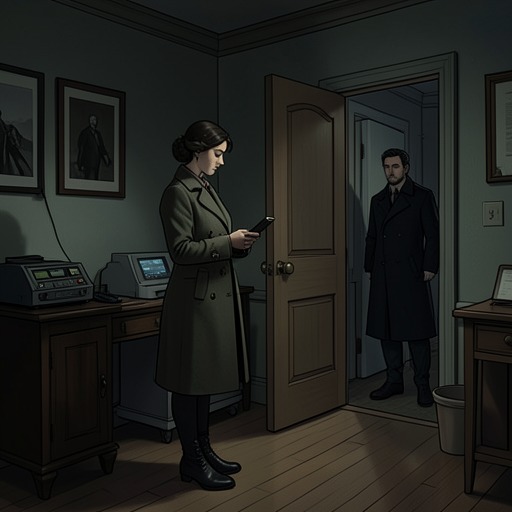
At Zoë’s classroom, her teacher, Miss Cindy, and assistant, Mr. Kopec, are helping eight students get ready to leave. The scene includes the practical routines of dismissal: Mr. Kopec zips a student’s coat, while Miss Cindy calls out to find the owner of a scarf. The classroom is presented as a busy community with staff, classmates, and familiar routines—not simply as a medical setting defined by Zoë’s diagnosis.
Sisterhood and Belonging
Zoë announces, “This my sister,” then rubs her palms together with excitement and takes Brett around the room. She points out pictures and the fish tank and tells Brett her friends’ names. Her actions make the meeting reciprocal: Brett has come to recognize Zoë as her sister, while Zoë actively welcomes Brett into the place and relationships that shape her daily life. Brett feels more worshiped than ever before, an intensely personal response to Zoë’s open affection.
The account’s emphasis on Zoë’s initiative and joy complicates a purely clinical view of Down syndrome. The adapted corridor and classroom routines establish support as part of the environment; Zoë’s own gestures, introductions, and eagerness carry the emotional force of the encounter. Her diagnosis is relevant, but it does not replace the sisterly bond the scene brings into focus.