Museum für Naturkunde
The Lighthouse (Alison Moore Edition)The Museum für Naturkunde is a formative place in Ester’s history of collecting: its preserved animals disturb and fascinate her as a girl, and its displays later return to mind when she reflects on her own collection of moths. The museum matters less as a setting revisited in person than as a remembered encounter that shapes how she sees collected creatures and recalls their fragile, tactile presence.
The Visit and Its Collections
As a girl, Ester visits the museum in Berlin and encounters extensive collections of animals preserved in different ways: fish and invertebrates held in alcohol, stuffed mammals, and butterflies and moths pinned to display boards. The abundance unsettles her even as it holds her attention. The display makes preservation vivid as an act of stilling and arranging living creatures, an impression that stays with her beyond the visit.
A Collection Begins at Home
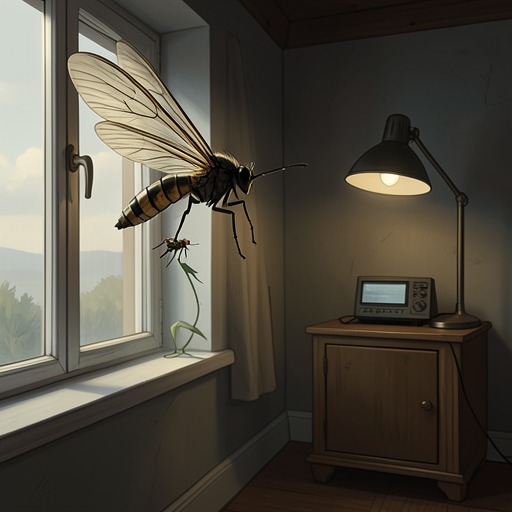
A few days later, a moth flies through an open window into Ester’s bedroom, where she is reading by a light left on. She catches it between her palms and pins it to a corkboard. It becomes the first specimen in her moth collection—and the beginning of her collecting more broadly. The museum visit precedes this domestic act, but the novel distinguishes the two: the museum’s immense holdings are institutional and extensive, while Ester’s collection starts with one moth in her own room.
The Museum as Recalled Experience
Years later, after arriving in Hellhaus with Bernard, Ester makes an appointment with a doctor and then another at a clinic. As she waits, she thinks of the museum’s vast number of preserved creatures beside her own much smaller collection of night-flying moths. Her recollection is not only visual: she remembers the powdery wings tickling her palms when she trapped that first moth. The remembered bodily sensation links the museum’s displays to the intimate act that began her collection, while the contrast in scale keeps Ester’s private practice distinct from the museum’s abundance.