
Art and the Uses of Suffering
The LighthouseThis flow traces the novel’s examination of whether close observation can illuminate human pain without exploiting the people who endure it.
increasing Bearing strength in each event
 decreasing
Bearing strength in each eventdecreasingOliver Studies a Life
The Writer as Observer
Notes on Conversation
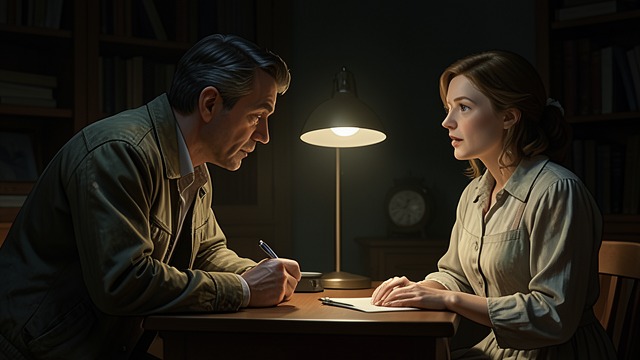
Nathan Oliver listens to Millie Tranter describe her life and writes down her words. He is interested in the precise language through which she understands hardship.
Friendship or Material
Millie experiences the meetings as companionship, while others suspect that Oliver is using her. The uncertainty keeps kindness and artistic appropriation uncomfortably close.
Boyde as an Experiment
The Observer Causes the Event
A Calculated Relapse
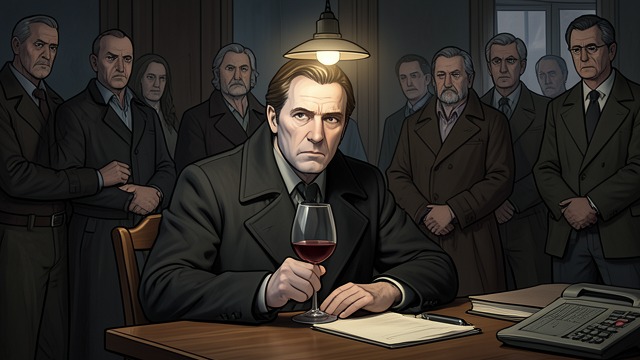
Oliver gives Adrian Boyde wine knowing that he is an alcoholic, seeking to observe the collapse for a novel. The novelist’s pursuit of experience directly causes another person’s suffering.
Ethical Consequences
Jo Staveley and Jago Tamlyn help Boyde recover, but the episode permanently alters the islanders’ judgment of Oliver. Artistic interest does not excuse deliberate harm.
A Scientist Defends His Work
The Arithmetic of Pain
Yelland’s Argument
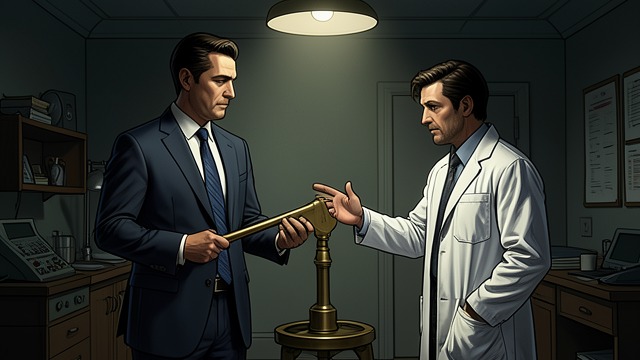
Mark Yelland argues that limited animal suffering may help relieve the suffering of many humans. He accepts that the work is distressing but sees it as morally consequential.
Oliver’s Counterargument
Oliver challenges the assumption that human beings may exploit other species at will. Their dispute reveals competing ways of judging suffering rather than a simple opposition between compassion and cruelty.
Words and Feeling
The Writer’s Admission
Description Without Participation
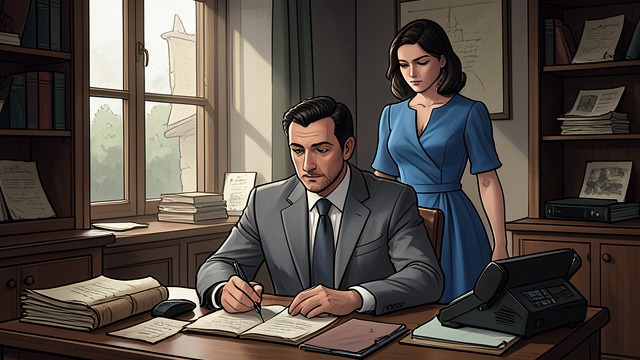
Nathan Oliver tells Mark Yelland that he writes about suffering but does not truly understand or vicariously feel it. He presents distance as necessary to artistic work.
An Unsettled Claim
His statement may be insight, self-defense, or both. The novel asks whether representation can reveal the heart while remaining detached from the people whose pain supplies its material.
An Unfinished Book
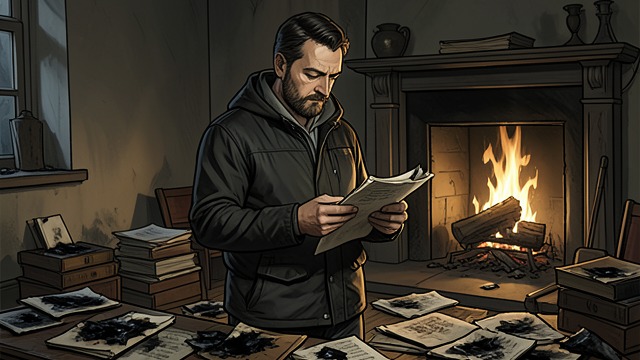
The Destroyed Proofs
Work in Progress
Nathan Oliver has been revising his final novel on galley proofs with Dennis Tremlett’s assistance. The burnt pages contain changes that cannot simply be replaced by the publisher’s copies.
Creation and Loss
The destruction may express hatred, spite, or a wish to erase the work. The missing revisions make Oliver’s artistic legacy uncertain at the moment when his talent was already failing.
During Millie’s first meetings with Oliver
During Oliver’s earlier visit
Friday evening, during dinner
Friday night, in Yelland’s private conversation with Oliver
After Oliver’s death, during the cottage interview
