
Death, Recognition, and the Limits of Control
The LighthouseThis flow traces how characters confront the irreversibility of death, from Oliver’s fear of losing his talent to the survivors’ recognition of their limits.
increasing Bearing strength in each event
 decreasing
Bearing strength in each eventdecreasingA Writer Fears Decline
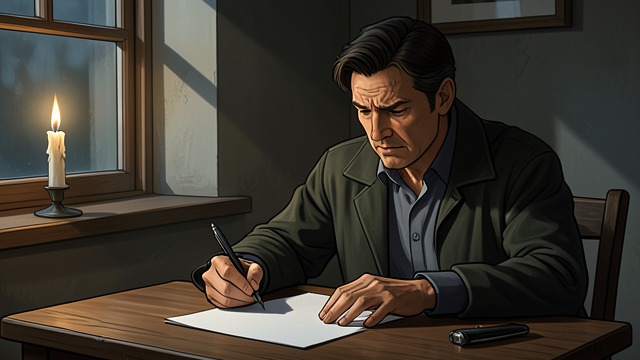
The Fear of Losing Words
Talent as Identity
Nathan Oliver fears that his writing and eyesight are deteriorating. Because his talent defines his public and private sense of self, decline feels like a second death.
A Terrifying Prospect
He imagines life without the power to write and asks the night not to take his words. His despair makes suicide seem plausible, but it does not explain the physical evidence of murder.
Death as an Absolute
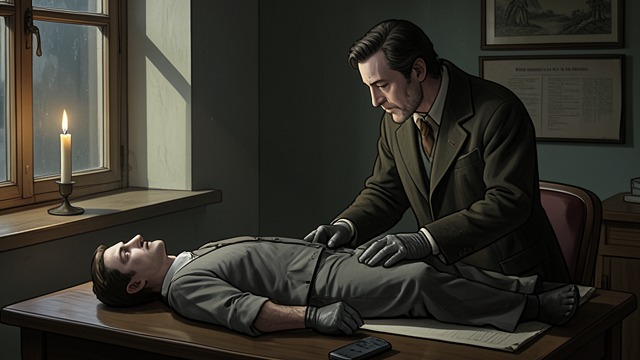
The Body After Life
Dalgliesh’s Reflection
Adam Dalgliesh studies Nathan Oliver’s body and considers the difference between a living mind and its remaining physical form. Death appears more complete in human beings because it removes an entire inner world.
Investigation and Reverence
Forensic work requires attention to the body, but Dalgliesh does not believe detectives become accustomed to death. The corpse remains both evidence and the end of a singular life.
Millie Names the Power of Loss
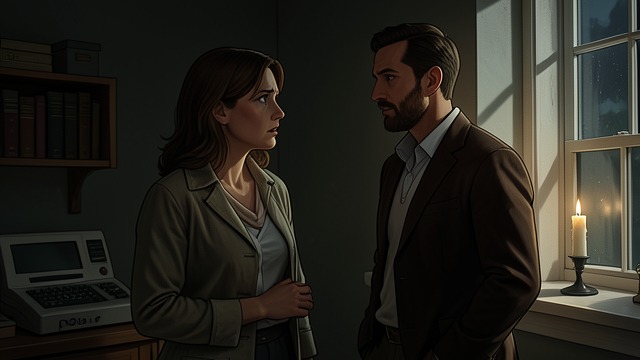
Memory as Human Power
A Conversation About Age
Millie Tranter recalls Oliver asking whether she was happy and discussing the fear of Alzheimer’s disease. He describes memory and thought as powers people may lose.
A Dark Formulation
Oliver says that people can become their own executioners. His words deepen the suspicion of suicide, even as the marks on his neck point elsewhere.
Boyde’s Death and Dalgliesh’s Failure
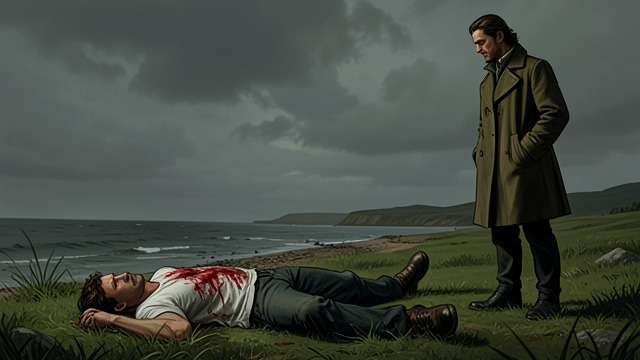
A Preventable Loss
A Second Body
Adam Dalgliesh finds Adrian Boyde dead and believes the killer belongs to the same small island community. He feels bitter that solving Oliver’s murder sooner might have prevented another death.
Humility After Failure
He knows that he lacked grounds to detain a suspect, but legal limits do not erase grief. The experience challenges his confidence and forces him to accept what he could not control.
The Stain Remains
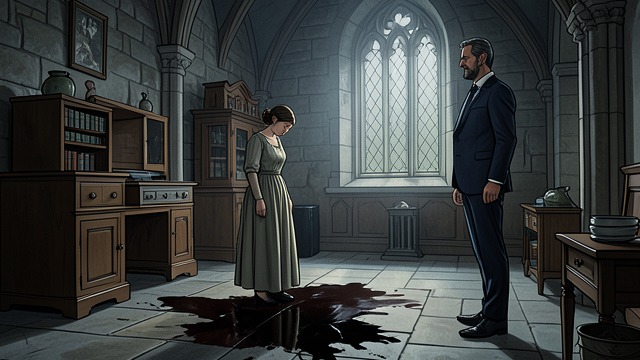
Memory on the Chapel Floor
A Decision Not to Scrub
Mrs. Burbridge wonders whether the blood on the chapel floor should be cleaned. Adam Dalgliesh says the stain may never completely fade.
An Image of Enduring Loss
The stain becomes a material reminder of the people who died and the harm left behind. Time may soften the mark without making the event unreal.
During Oliver’s final visits to Combe
Saturday afternoon, during Glenister’s examination
Saturday afternoon, during her interview
Tuesday morning, after Boyde is found
During the quarantine period, after the bodies are removed
