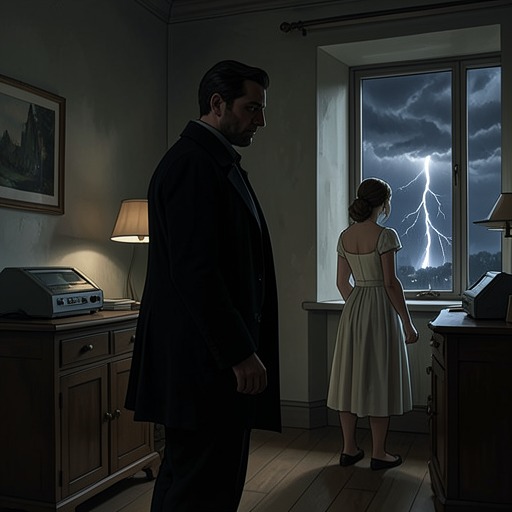
Adam Dalgliesh–Emma Lavenham relationship
The LighthouseThe relationship between Adam Dalgliesh and Emma Lavenham is marked by deep mutual passion and the strain of lives that rarely leave them dependable time together. Dalgliesh has made a clear proposal of marriage, and believes Emma accepted, but his reluctance to raise the subject again leaves their future unresolved. When work interrupts a planned weekend, the lost hours sharpen a question he has not found the courage to ask aloud.
A Love First Put into Words by Letter
Dalgliesh first told Emma that he loved her in a letter rather than face to face. He later wonders whether writing was an act of cowardice: a way to avoid seeing rejection in her eyes. There was no rejection, and he recalls their relationship as intensely happy. Their passion is both sexual and mutual, while their time together is carefully shaped around shared pleasures and an ease that does not depend on constant conversation.
They make room for restaurant meals, theatre, galleries and concerts, and for informal dinners at Dalgliesh’s flat. Together they stand on its narrow balcony with the Thames fifty feet below; their conversations and silences alike are part of the intimacy he values. These concentrated encounters are fulfilling, but the lives they build around them remain separate and over-busy.
Work and Unreliable Time Together
The couple’s time together is repeatedly vulnerable to urgent professional commitments. Dalgliesh and Emma had planned to spend an evening and the following day together when he is called to undertake a possible murder investigation. After a month of sixteen-hour working days, he longs for rest and Emma’s company, and recognizes that the call has spoiled their weekend. He considers the interruption his own responsibility: he is not compelled to accept the investigation, even if its victim or circumstances carry political, social or professional importance.
This is not their first such disappointment. Both have urgent obligations, and Emma does not complain when plans are disrupted. They have grown accustomed to these misfortunes; Dalgliesh sees the pleasure of their next meeting as heightened by the separation. Yet the pattern also troubles him. Their happiness comes in carefully planned intervals, and he knows that a life dominated by weekends together is not the same as living together.
The Unsettled Question of Marriage
Dalgliesh’s letter to Emma was a proposal of marriage, not merely an invitation to continue a love affair. He thinks she accepted, but marriage has not been mentioned between them since. He worries that Emma may consider their existing arrangement sufficient, while questioning whether the desire for a legal commitment comes from fear of losing her. He also wonders what it would mean if their love required that tie to survive, and whether he has any right to bind her to it.
Rather than ask, Dalgliesh tells himself that setting a date is Emma’s prerogative. He knows the answer he fears: that she might ask why they need to decide now when they are already happy. The interrupted weekend therefore exposes more than the cost of his work: it leaves his proposal, and the couple’s move from intermittent visits toward a shared life, without a settled answer.