Combe Island Trust visitor charter
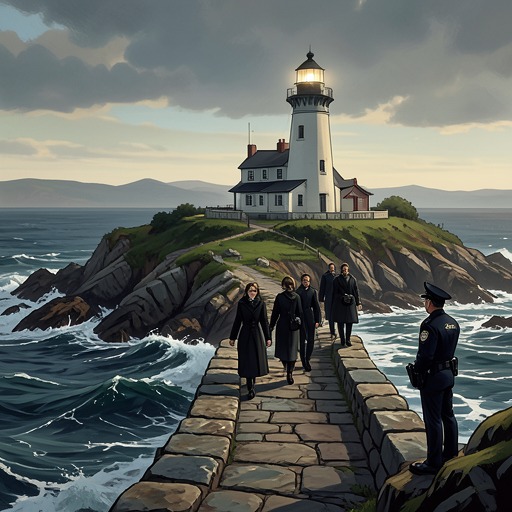
The LighthouseThe Combe Island Trust visitor charter sets out how Combe Island serves as a secluded retreat: visitors are admitted selectively, accommodated in the main house or stone cottages, and protected from casual intrusion. Its provisions translate the island’s founding purpose into a practical system of privacy and security.
Origins and purpose
The charter’s principles grow out of the purpose for which the island was entrusted to a charitable trust. After the First World War and the loss of his two elder sons, Henry Holcombe established the trust in 1930 with the remaining family resources and the support of wealthy contributors. The island was intended as a place of rest and seclusion for people undertaking demanding work in the service of the Crown and country.
The visitor provisions describe that purpose as a restorative period of solitude, silence, and peace. Their original language referred to men in responsible positions across the armed forces, politics, science, industry, and the arts. The accepted convention, however, treats the word men as including women, adapting the charter’s period language without changing its stated emphasis on responsibility and the need for retreat.
Admission and accommodation
The island takes no more than five visitors at a time. They may be accommodated either in the main house or in one of the stone cottages, with the choice left to the island’s hosts. Admission is selective: visitors generally come on the recommendation of a trustee or someone who has visited regularly or before. The charter thus limits numbers while relying on personal recommendation rather than open access.
Privacy and security
The island offers both peace and security, with security becoming increasingly important in recent decades. Visitors can take time to think without their protection officers and expect to remain safe and undisturbed. Access is controlled by geography and procedure: a helicopter pad provides an arrival route by air, while the small harbour is the only possible landing place by sea. Casual visitors are not allowed, and mobile phones are forbidden, although the island would not receive a signal in any case. Visitors and the island itself maintain a low profile.
Together, these arrangements make seclusion an operating principle rather than merely a scenic feature. Restricted numbers, recommendation-based admission, controlled landing points, and limits on communication all support the charter’s central offer: a secure retreat from professional pressure and outside interruption.