Drawing the muzzle
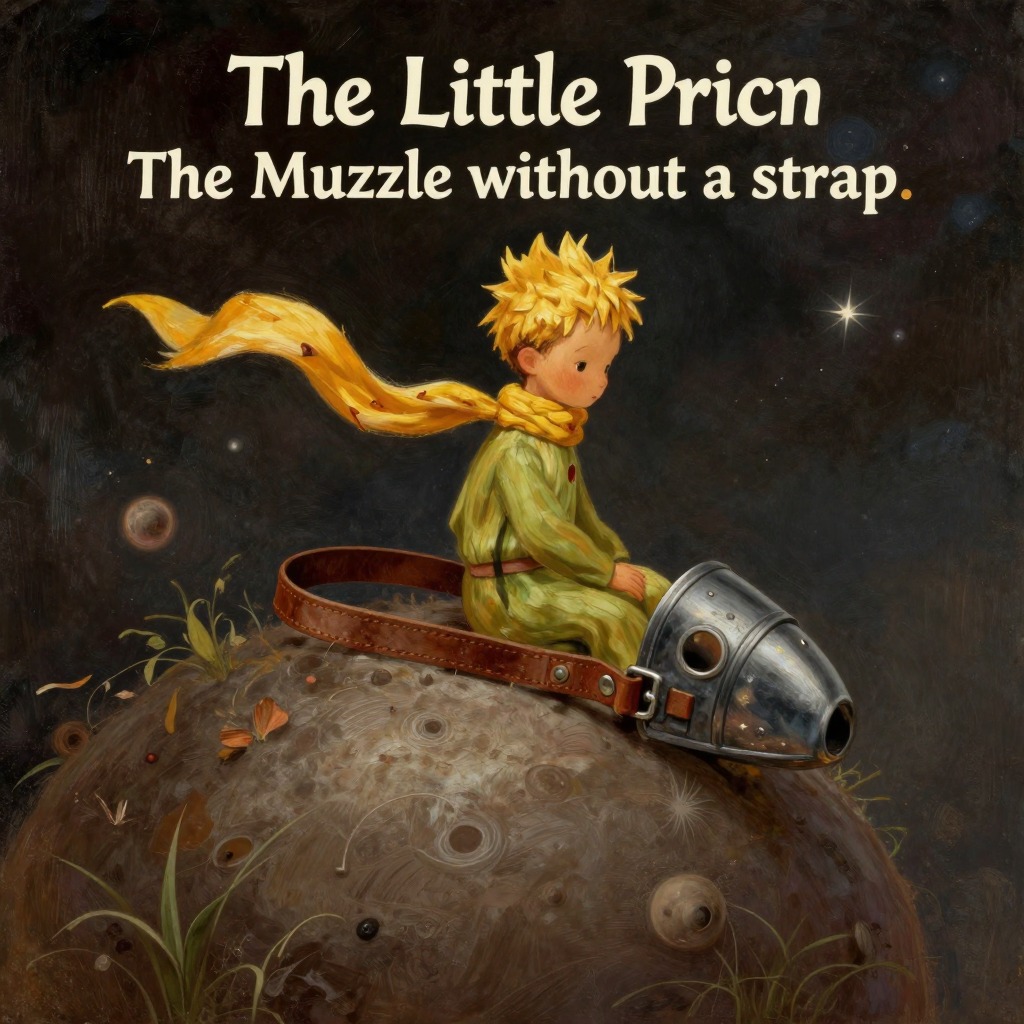
The Little PrinceDrawing the muzzle is a deceptively simple act that carries the weight of the entire story's emotional and philosophical core. After the Little Prince's departure, The Narrator, in an effort to preserve the memory of his friend and to complete the practical task of providing a muzzle for the sheep, sketches the object. Yet, in a moment of distraction, he forgets to add the leather strap—the essential component that would allow the muzzle to be fastened. This omission becomes the catalyst for a torrent of anxiety and speculation, as The Narrator is left to wonder whether the sheep, unconstrained, has devoured the Little Prince's beloved rose. The drawing, therefore, is not merely an illustration but a testament to the fragility of care and the enduring power of a single, seemingly trivial mistake.
The Act and Its Immediate Context
The act of drawing the muzzle occurs in the aftermath of the Little Prince's disappearance from Earth. The Narrator, having returned from the desert, is consumed by sorrow and a need to make sense of what has transpired. He draws the muzzle as a practical measure—a way to protect the sheep, which the Little Prince had requested. However, the omission of the leather strap is a telling detail: it reveals the Narrator's own state of mind, preoccupied with loss and unable to fully attend to the details of the task. The muzzle, meant to restrain the sheep, becomes a symbol of the Narrator's inability to control the consequences of his actions, and his failure to secure the safety of the rose that the Little Prince cherished.
The Unresolved Question: Sheep and Rose
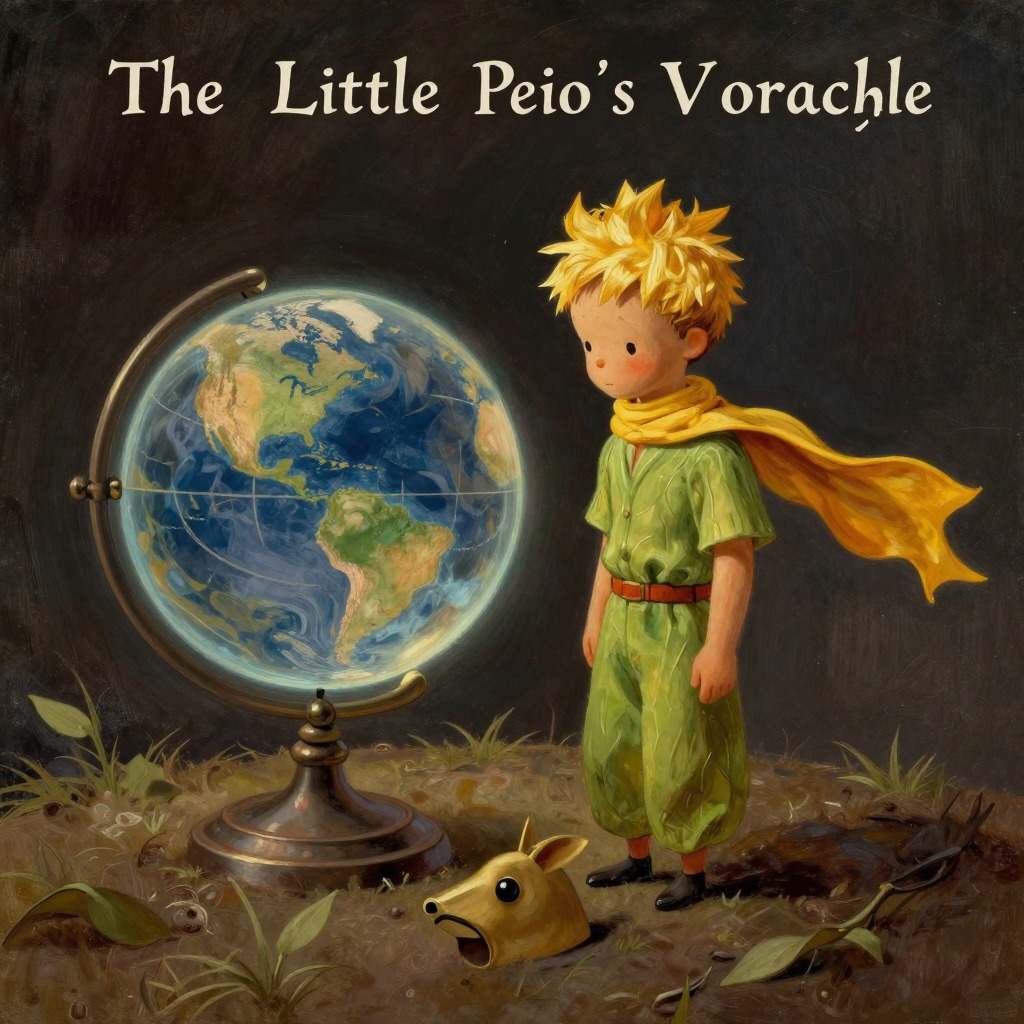
The forgotten strap gives rise to the central question that haunts The Narrator: "Has the sheep eaten the flower?" This question, posed repeatedly in his mind, becomes a litmus test for his emotional state. At times, he reassures himself that the Little Prince, ever vigilant, shuts his flower under her glass globe every night and watches over his sheep carefully. In these moments, he finds happiness, and the laughter of the stars seems sweet. Yet at other times, he is plagued by doubt: "At some moment or other one is absent-minded, and that is enough!" He imagines the Little Prince forgetting the glass globe, or the sheep escaping silently in the night, and then the little bells of the stars are transformed into tears. This oscillation between hope and despair underscores the profound uncertainty that the drawing has unleashed, making the fate of the rose a matter of cosmic importance.
The Drawing as a Symbol of Responsibility
The muzzle, and the forgotten strap, serve as a powerful metaphor for responsibility and its limits. The Narrator's act of drawing is an attempt to fulfill a duty—to provide for the sheep and, by extension, to protect the rose. Yet the omission reveals the inherent fallibility of even the most well-intentioned actions. The drawing becomes a reminder that care is never complete, that a single oversight can have unforeseeable consequences. This theme resonates with the book's broader meditation on the nature of love and responsibility, as exemplified by the Little Prince's own relationship with his rose. The Narrator's anxiety about the sheep and the flower mirrors the Little Prince's own concerns, creating a parallel between the two characters' experiences of love and loss.
The Landscape of Memory and Loss
The drawing of the muzzle is intimately connected to the landscape where the Little Prince appeared and disappeared—the African desert. The Narrator describes this as "the loveliest and saddest landscape in the world," and he draws it again to impress it on the reader's memory. This landscape, like the muzzle, is a site of both beauty and sorrow, a place where the Little Prince's presence is felt even in his absence. The Narrator's instructions to the reader—to wait under the star and to send word if the Little Prince returns—are a plea for connection and reassurance. The drawing of the muzzle, then, is part of a larger act of memorialization, an attempt to hold onto the Little Prince through the act of creation, even as the uncertainty of the sheep and the rose threatens to unravel that hold.
The Enduring Mystery and Its Significance
The drawing of the muzzle ultimately leaves the reader with an unresolved mystery: "nothing in the universe can be the same if somewhere, we do not know where, a sheep that we never saw has—yes or no?—eaten a rose." This question, which The Narrator insists no grown-up will ever understand, elevates the act of drawing to a philosophical inquiry into the nature of existence and the interconnectedness of all things. The muzzle, with its missing strap, becomes a symbol of the unknowable, a reminder that some questions have no answers, and that the act of caring, however imperfect, is what gives life its meaning. The drawing, therefore, is not just a sketch but a testament to the enduring power of love and the haunting beauty of uncertainty.