Sheep escaping
The Little PrinceThe Sheep escaping is not a witnessed event but a haunting possibility that defines the emotional and philosophical core of The Little Prince's closing chapters. After the little prince's disappearance, the narrator realizes that when he drew the muzzle for the little prince, he forgot to add the leather strap to it. This single oversight means the little prince will never have been able to fasten the muzzle on his sheep, leaving the sheep free to eat the flower—the little prince's beloved rose. This unresolved uncertainty transforms the narrator's grief into a permanent, open question that changes the meaning of the entire universe for those who love the little prince.
The Forgotten Strap and Its Consequences
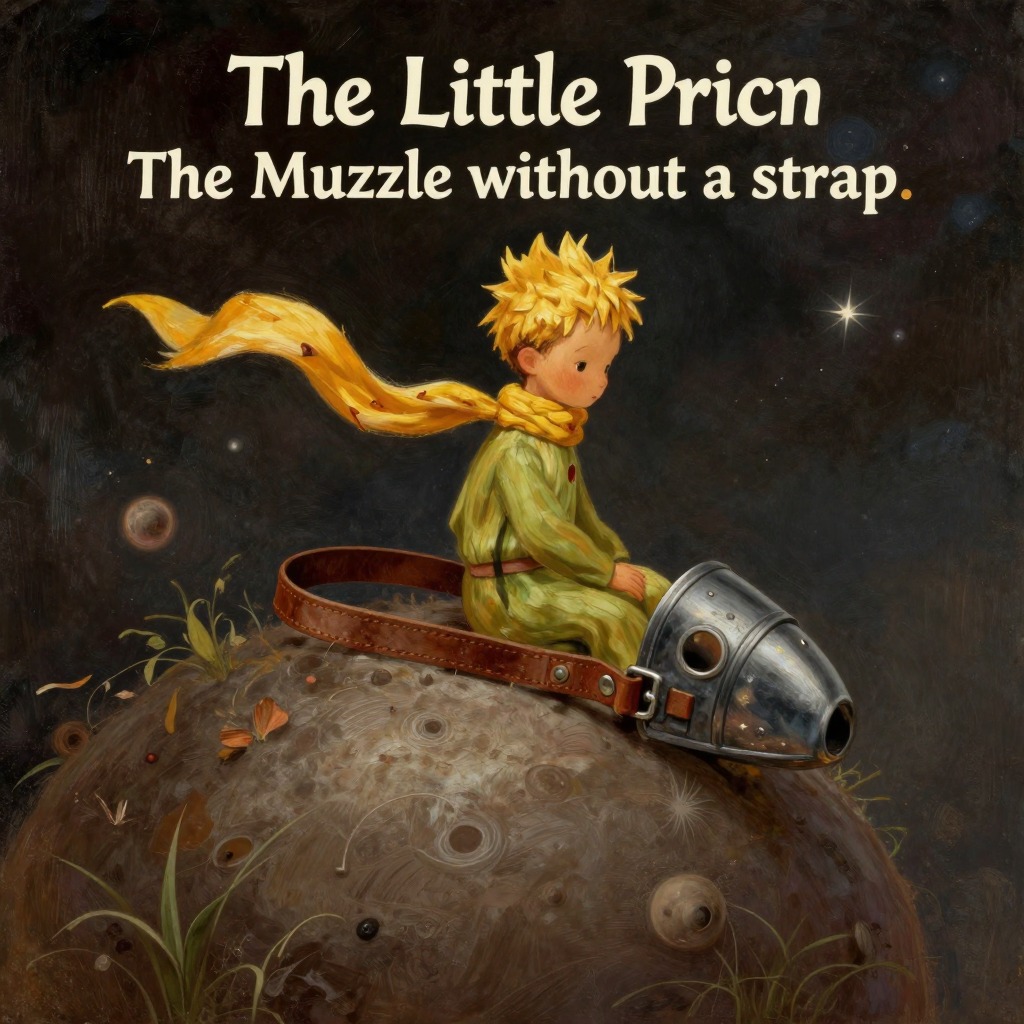
The narrator's act of drawing the muzzle without the leather strap is the mechanical cause of the potential sheep escape. The evidence states plainly: "when I drew the muzzle for the little prince, I forgot to add the leather strap to it. He will never have been able to fasten it on his sheep." This is not a deliberate omission but a moment of absent-mindedness, and that is enough to set the entire mystery in motion. The narrator's own carelessness becomes the source of his torment, as he now must live with the knowledge that the sheep's escape—and the possible destruction of the rose—is a direct consequence of his forgotten detail.
The Two Competing Visions
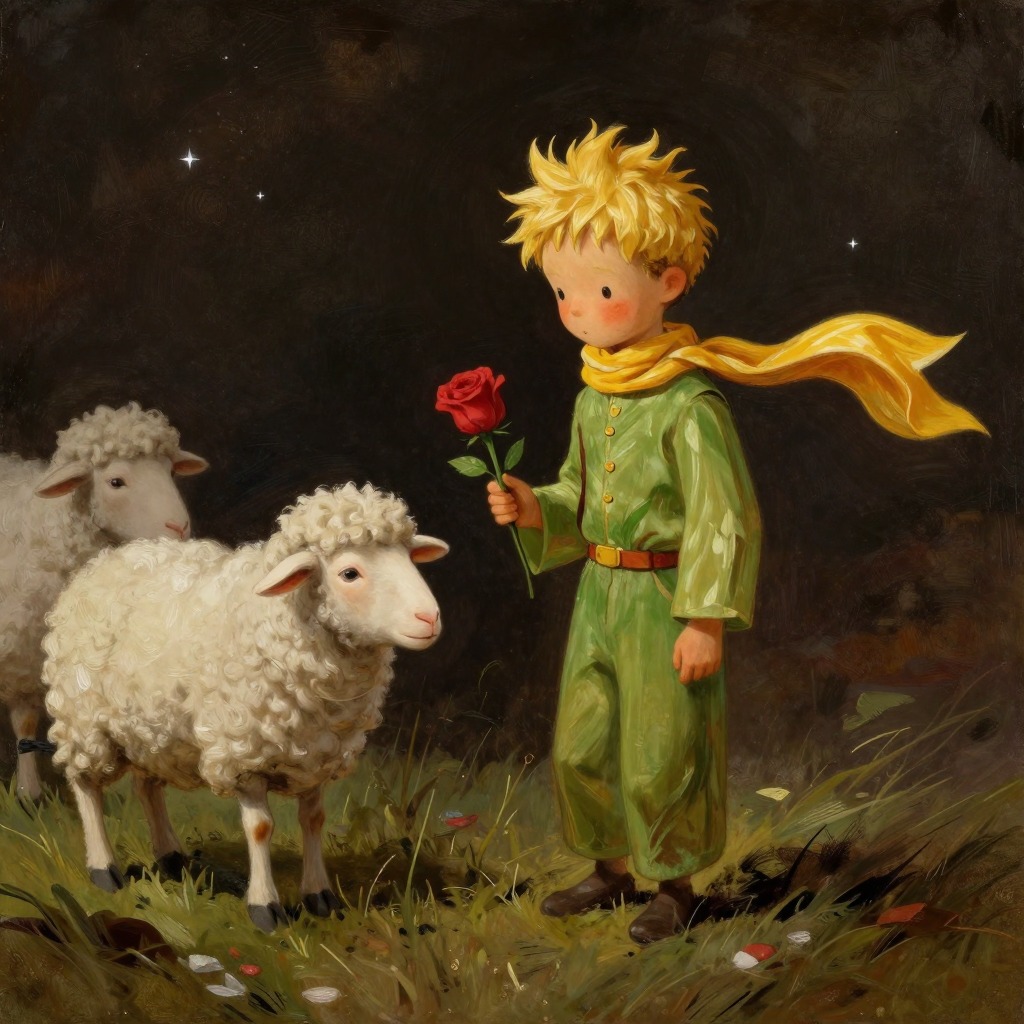
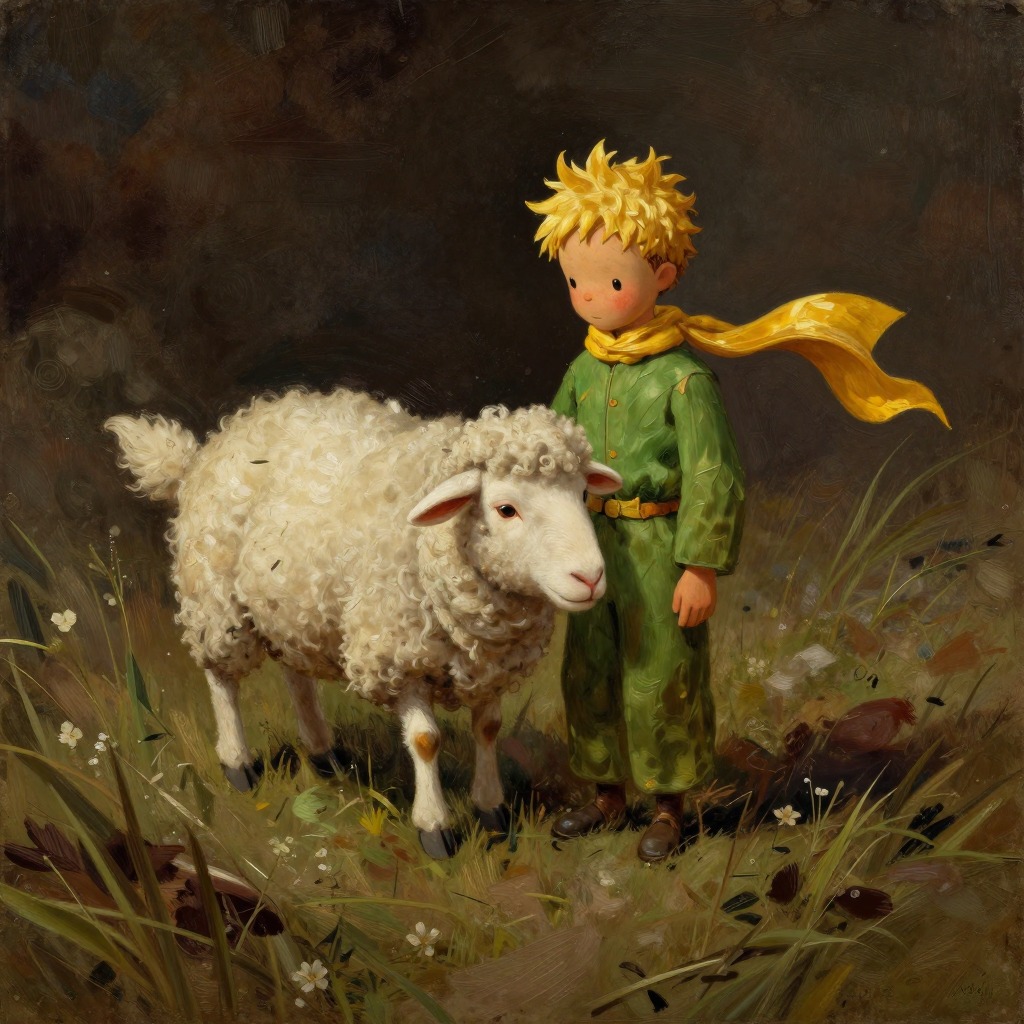
In the narrator's mind, two opposing scenarios alternate. At one time he reassures himself: "Surely not! The little prince shuts his flower under her glass globe every night, and he watches over his sheep very carefully . . ." In this optimistic version, the little prince's nightly ritual of covering the flower with the glass globe and his vigilant care of the sheep prevent any disaster. The narrator feels happy, and "there is sweetness in the laughter of all the stars." But at another time he imagines the opposite: "At some moment or other one is absent-minded, and that is enough! On some one evening he forgot the glass globe, or the sheep got out, without making any noise, in the night . . ." In this darker vision, the little prince himself might have been momentarily careless, forgetting the glass globe, or the sheep might have slipped out silently. When this thought takes hold, "the little bells are changed to tears." The stars, which the narrator had learned to hear as five hundred million little bells, become instruments of sorrow.
The Great Mystery
This uncertainty is elevated to the level of a "great mystery" that affects everyone who loves the little prince. The narrator declares: "For you who also love the little prince, and for me, nothing in the universe can be the same if somewhere, we do not know where, a sheep that we never saw has—yes or no?—eaten a rose . . ." The question is deliberately left unanswered. The narrator instructs the reader to look up at the sky and ask: "Has the sheep eaten the flower? And you will see how everything changes . . ." The answer is unknowable, and that unknowability is the point. No grown-up will ever understand that this is a matter of so much importance, but for those who have loved the little prince, the fate of the rose—whether it was eaten or saved—determines the emotional color of the entire cosmos.
The Landscape of Loss
The sheep's potential escape is inextricably linked to the place where the little prince appeared on Earth and disappeared. The narrator calls this "the loveliest and saddest landscape in the world" and draws it again to impress it on the reader's memory. It is the African desert, the spot where the little prince's journey began and ended. The narrator asks that if any traveler should come upon this spot, they should wait under the star, and if a little man appears who laughs, has golden hair, and refuses to answer questions, they will know who he is. The request is a plea for comfort: "Send me word that he has come back." The sheep's escape is not resolved, but the narrator's hope—that the little prince returned to his planet and that the rose survived—is the only consolation he can offer himself and the reader. The mystery remains open, and the stars continue to ring with either bells or tears, depending on which version of the story one chooses to believe.