
The Road’s Geography
The Long WalkThis flow follows the changing Maine landscape as towns, bridges, hills, highways, and borders become stages in the Walkers’ psychological decline.
increasing Bearing strength in each event
 decreasing
Bearing strength in each eventdecreasingBorder Landscape
Border Landscape
Beginning
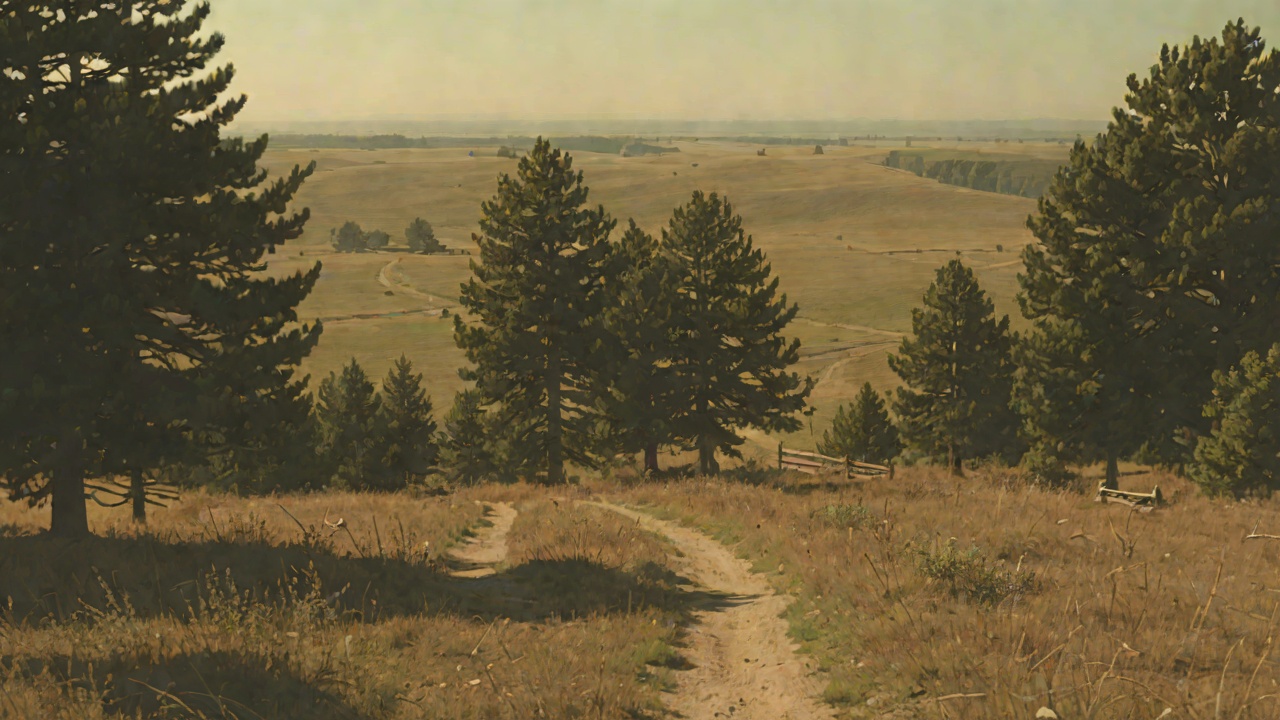
The Walk starts beside pines, fields, and the stone marker at the American border. The open landscape appears peaceful enough to make the coming violence seem unreal.
Passage
Crossing the marker converts geography into destiny. The road is no longer a route between places but the only permitted world.
Small Town Corridor
Small Town Corridor
Spectacle
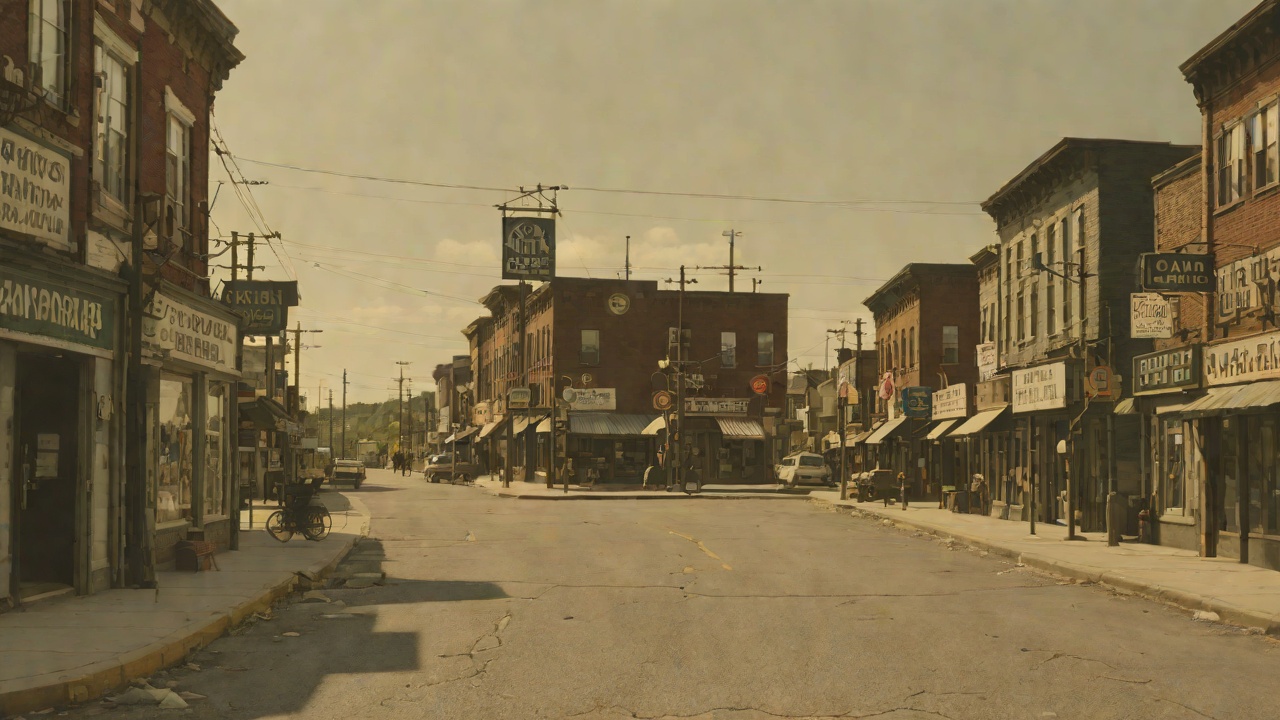
Limestone and Caribou offer stores, gas stations, bands, signs, and cheering residents. Their civic rituals turn local streets into temporary theaters.
Monotony
The towns disappoint Ray because they resemble one another. Civilization appears repetitive and shallow beside the unique terror of the Walk.
Hills and Bridges
Hills and Bridges
Obstacles
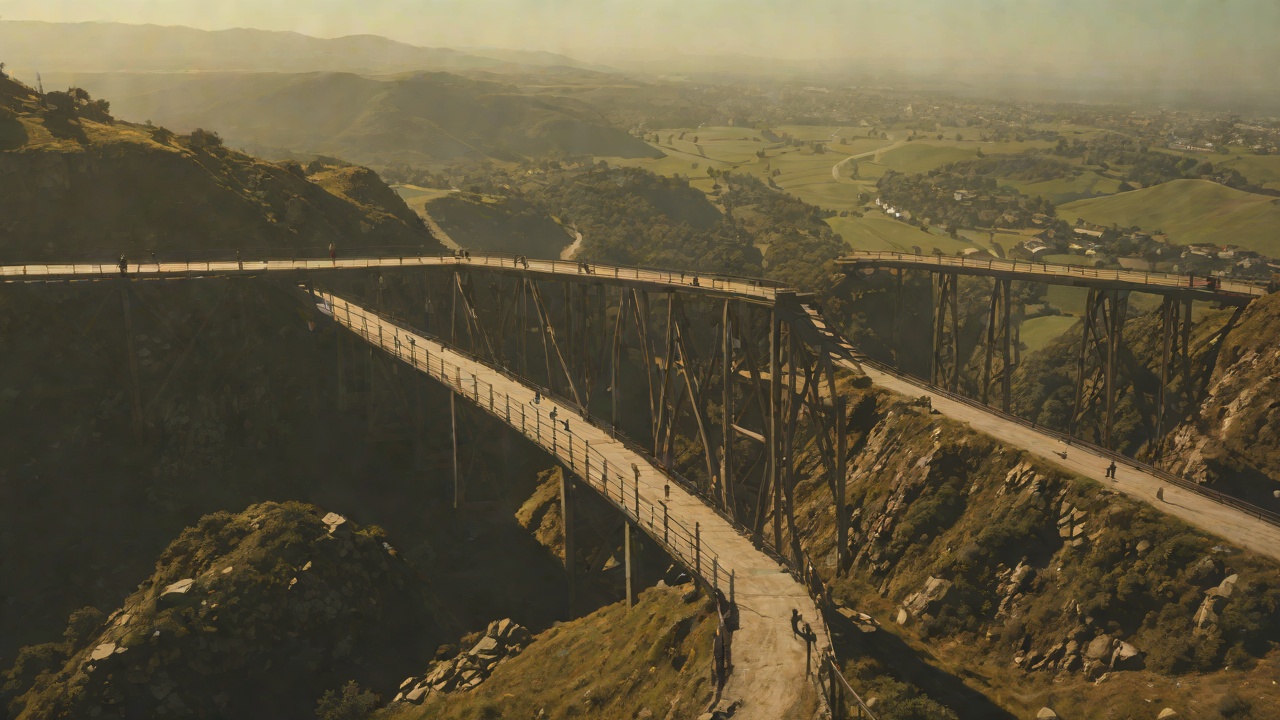
Steep hills, washed-out bridges, and darkness test the Walkers more severely than distance alone. Every landscape feature becomes a possible execution site.
Transformation
The road stops being scenery. It becomes an active antagonist that converts fatigue into panic and makes ordinary infrastructure feel hostile.
Turnpike Expanse
Turnpike Expanse
Border Beyond Maine
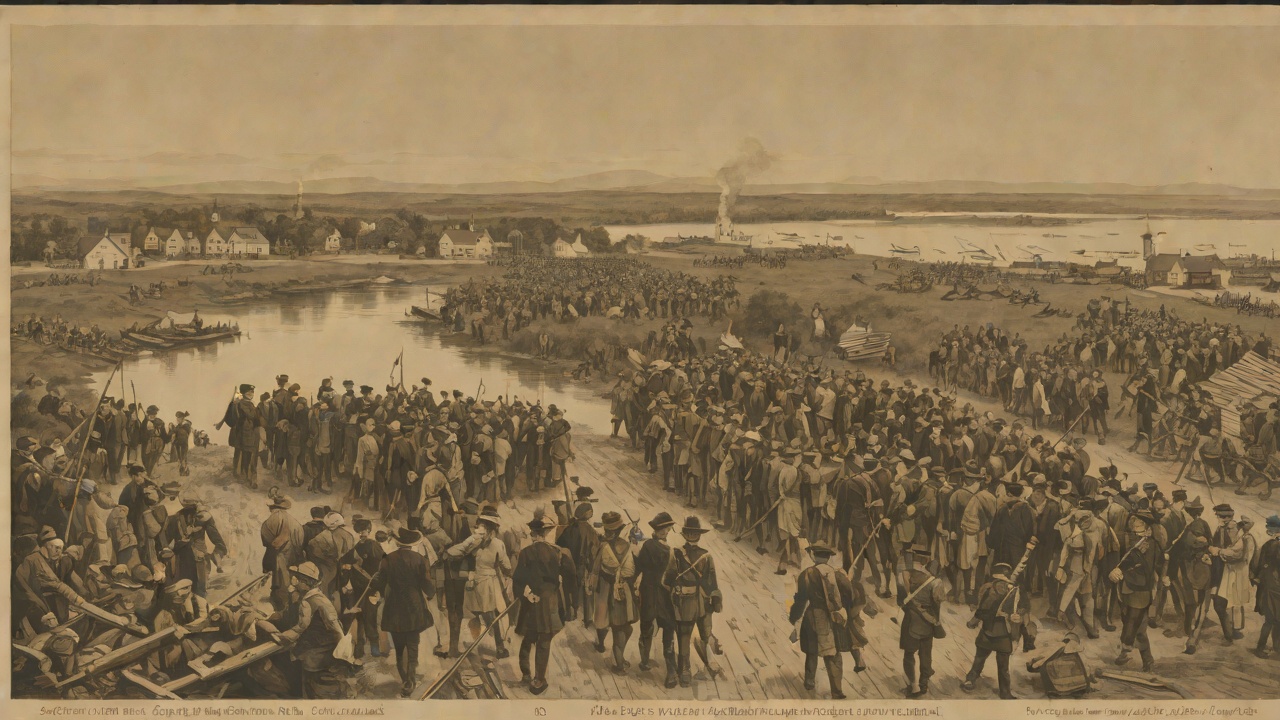
Border Beyond Maine
Crossing
The remaining Walkers enter New Hampshire and later Massachusetts amid fireworks, bands, and immense crowds. Geographic progress becomes public proof of the Event’s endurance.
Disillusion
The borders do not end the Walk. Each crossing merely relocates the same machinery and extends the distance between survival and conclusion.
May 1 morning
May 1 from Limestone to Caribou
May 1 night to May 2 morning
May 3 after Oldtown
May 4 morning
