
The Body as Prison
The Long WalkThis flow traces how the novel turns feet, muscles, hunger, illness, and excretion into instruments through which the Event governs consciousness.
increasing Bearing strength in each event
 decreasing
Bearing strength in each eventdecreasingHealthy Illusion
Healthy Illusion
Confidence
Ray begins with strong legs, intact feet, food, water, and the belief that physical fitness matters. The body seems like an ally.
Threat
The Walk immediately encourages him to monitor every sensation. Awareness of the body becomes the first form of imprisonment.
Pain Vocabulary
Pain Vocabulary
Examples
Blisters, charley horses, bleeding wounds, cramps, and exhaustion remove the distinction between accident and execution. Ordinary medical problems become fatal.
Knowledge
The Walkers learn to name pain because naming it may help them endure it. The vocabulary also makes them imagine future injuries before they arrive.
Humiliation of Flesh
Humiliation of Flesh
Exposure
Ray must defecate beside the road while spectators point and laugh. The body cannot preserve privacy under constant surveillance.
Significance
The scene strips away heroic identity. Survival includes the degrading functions that public spectacle prefers to ignore.
Organ Failure
Organ Failure
Breakdown
Illness, bleeding, fever, and damaged feet reduce the remaining Walkers to bodies barely supported by will. Their minds often remain articulate after the flesh becomes grotesque.
Reversal
The body is not the vehicle of the self but the force that eventually overrules it. The Walkers’ greatest enemy is their own material limit.
Motion After Meaning
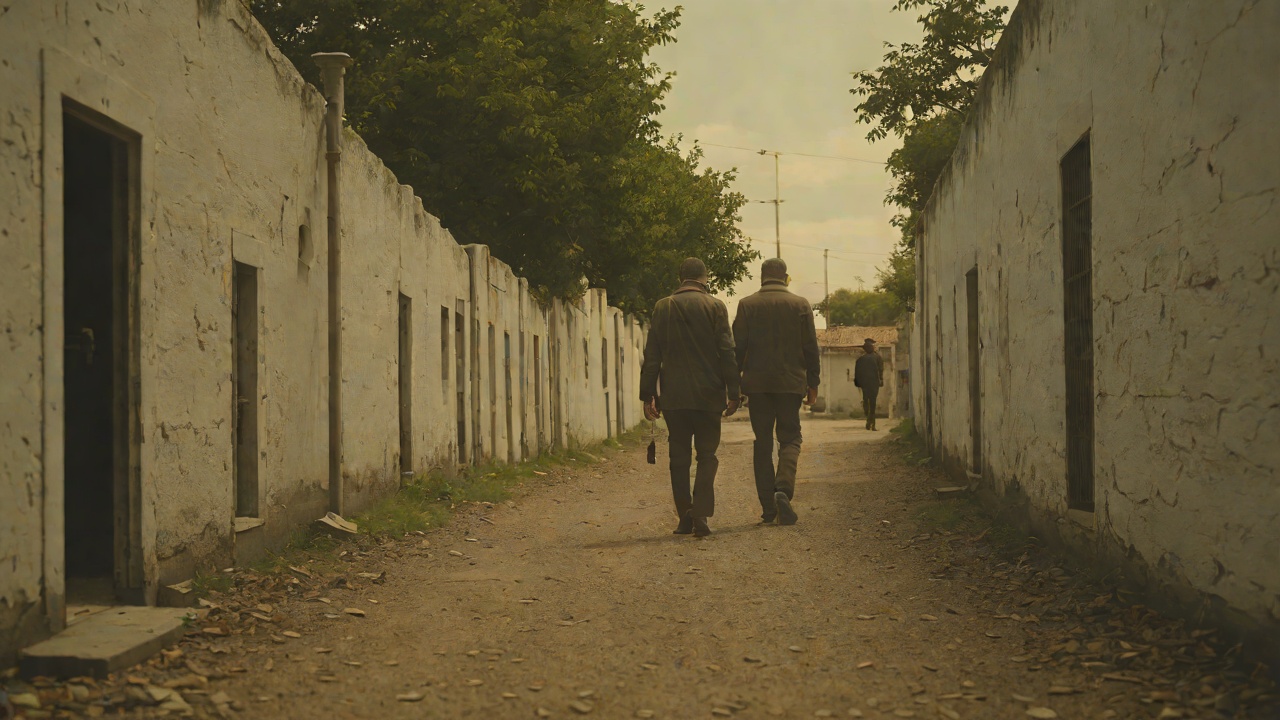
Motion After Meaning
Persistence
Ray continues after desire, friendship, and destination have lost coherence. His body moves because stopping has been associated with death.
Prison
The final motion suggests that survival itself can become captivity. A body that will not stop is not necessarily a body that remains free.
May 1 morning
May 1 afternoon
May 2 night on the turnpike
May 3–4 after New Hampshire
near the ending
