
Secondary Deaths as Lessons
The Long WalkThis flow follows the deaths of lesser-known Walkers as successive examples that teach the survivors how arbitrary and intimate the Event’s violence is.
increasing Bearing strength in each event
 decreasing
Bearing strength in each eventdecreasingCurley’s Cramp
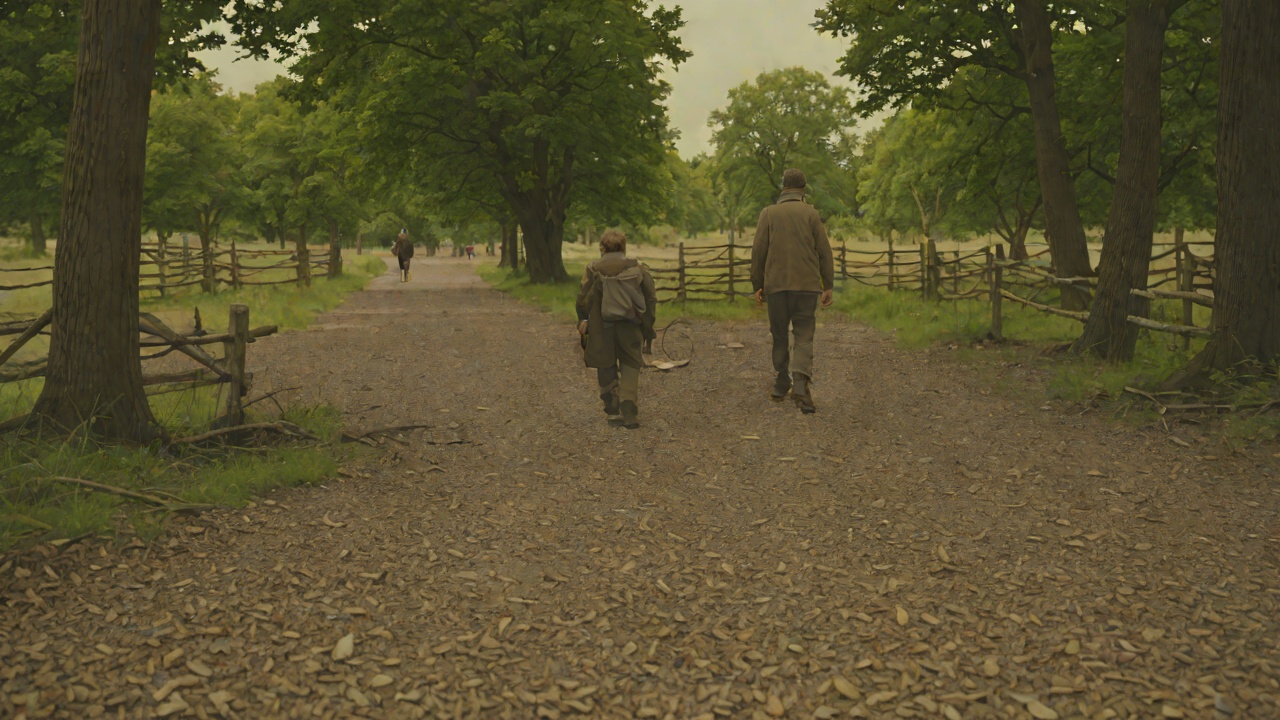
Curley’s Cramp
Injury
Curley develops a charley horse and struggles visibly while the other Walkers slow to watch him. His problem is ordinary but becomes fatal under the rules.
Lesson
His death teaches Ray that physical weakness need not be dramatic to deserve a Ticket. The Event makes small failures irreversible.
Ewing’s Blisters
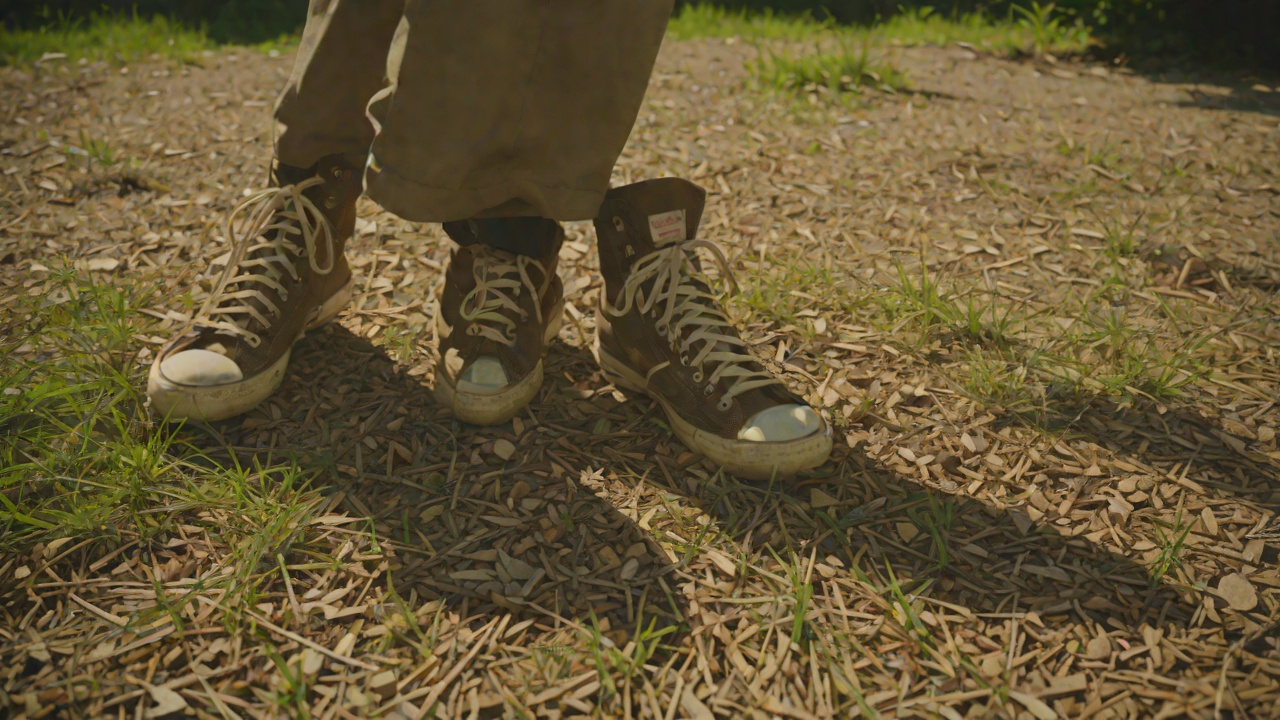
Ewing’s Blisters
Error
Ewing wears sneakers despite the warning against them. His feet blister and break until he walks in pus.
Lesson
Preparation matters, but blame does not make the punishment humane. His death reveals how the Event turns mistakes into moral judgments.
Zuck’s Wound
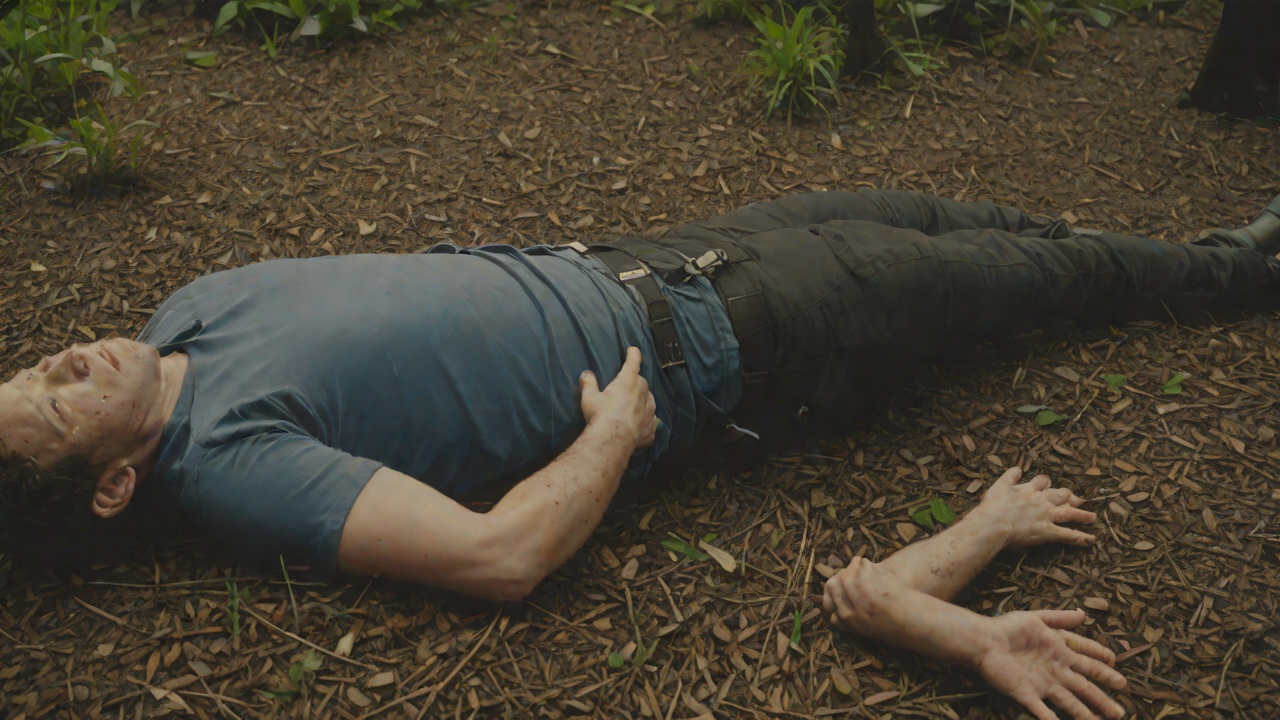
Zuck’s Wound
Persistence
Zuck continues after a bleeding knee wound and briefly runs when he understands that he is about to die. His body remains active even as blood drains away.
Lesson
The crowd hears only a distant execution. Ray learns that there may be no meaningful relationship between courage and survival.
Percy’s Escape
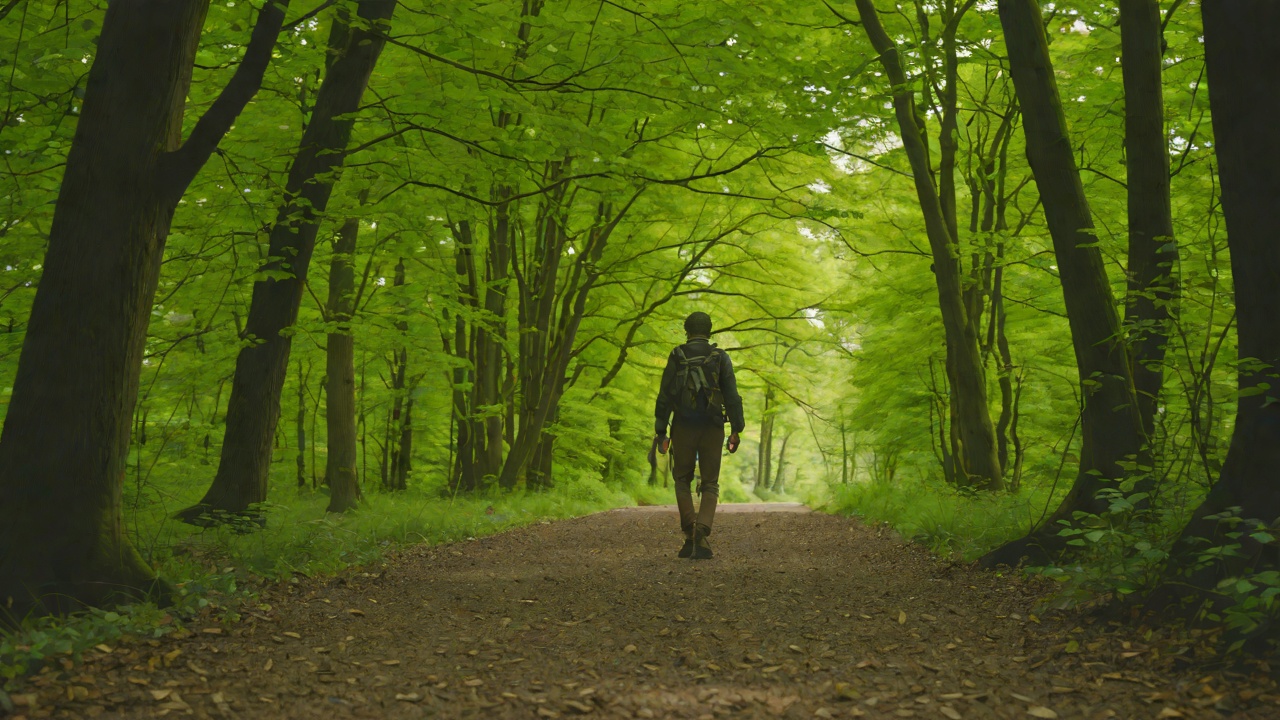
Percy’s Escape
Attempt
Percy walks toward the woods after edging closer to the road’s shoulder. His movement is calm, almost deliberate, as though escape were still imaginable.
Failure
A soldier shoots him before he reaches safety. The death proves that the system watches even apparent hesitation and that the woods offer no outside.
Baker’s Witness
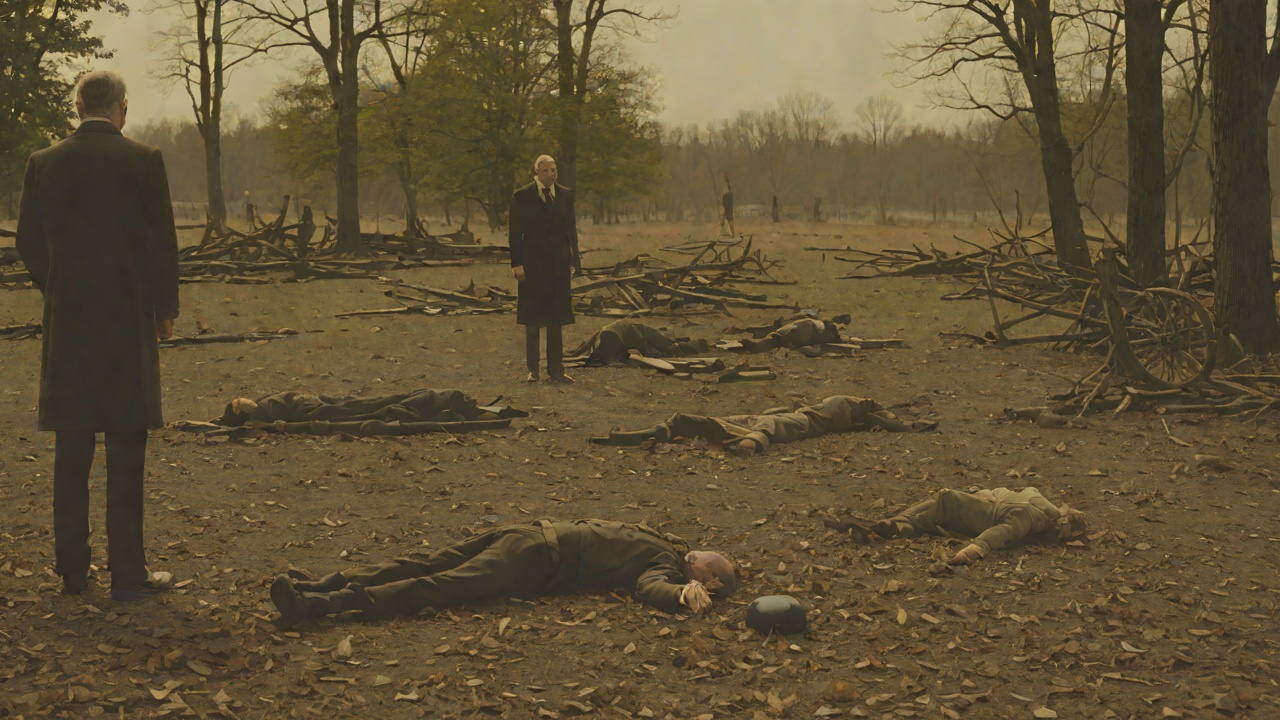
Baker’s Witness
Observation
Arthur Baker watches the deaths of the others while his own body deteriorates. He becomes both participant and witness to the Event’s final stages.
Meaning
His request not to watch his death reverses the spectator’s gaze. Dying becomes an act that should belong to the person dying, not to the crowd.
May 1 late morning
May 1 afternoon
May 1 late afternoon
May 2 morning
May 4 before Boston
