
The Crowd Face and Dehumanization
The Long WalkThis flow traces the crowd’s loss of individuality and shows how anonymous spectators become the social body that validates every death.
increasing Bearing strength in each event
 decreasing
Bearing strength in each eventdecreasingIndividual Spectators
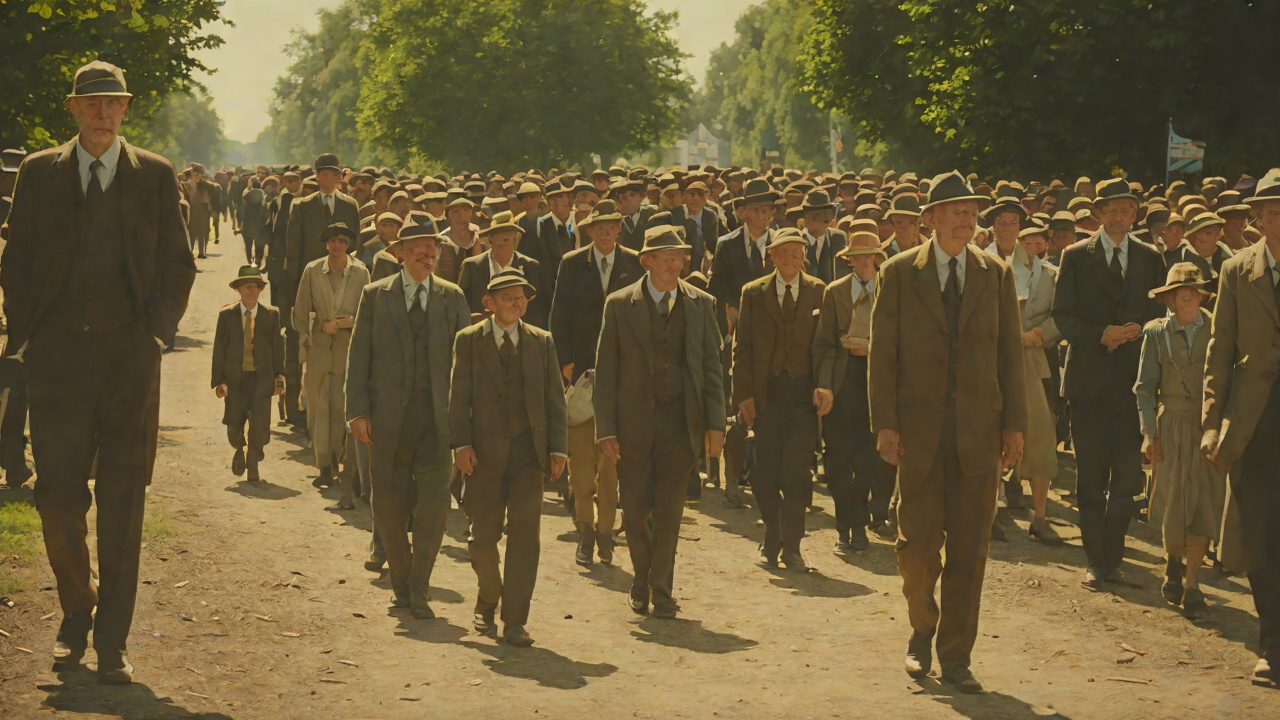
Individual Spectators
Faces
Ray notices old men, families, children, and roadside workers as separate people. Their reactions seem varied and sometimes compassionate.
Distance
At this stage, spectators remain capable of being judged as individuals. Ray can still imagine moral differences among them.
Shared Appetite
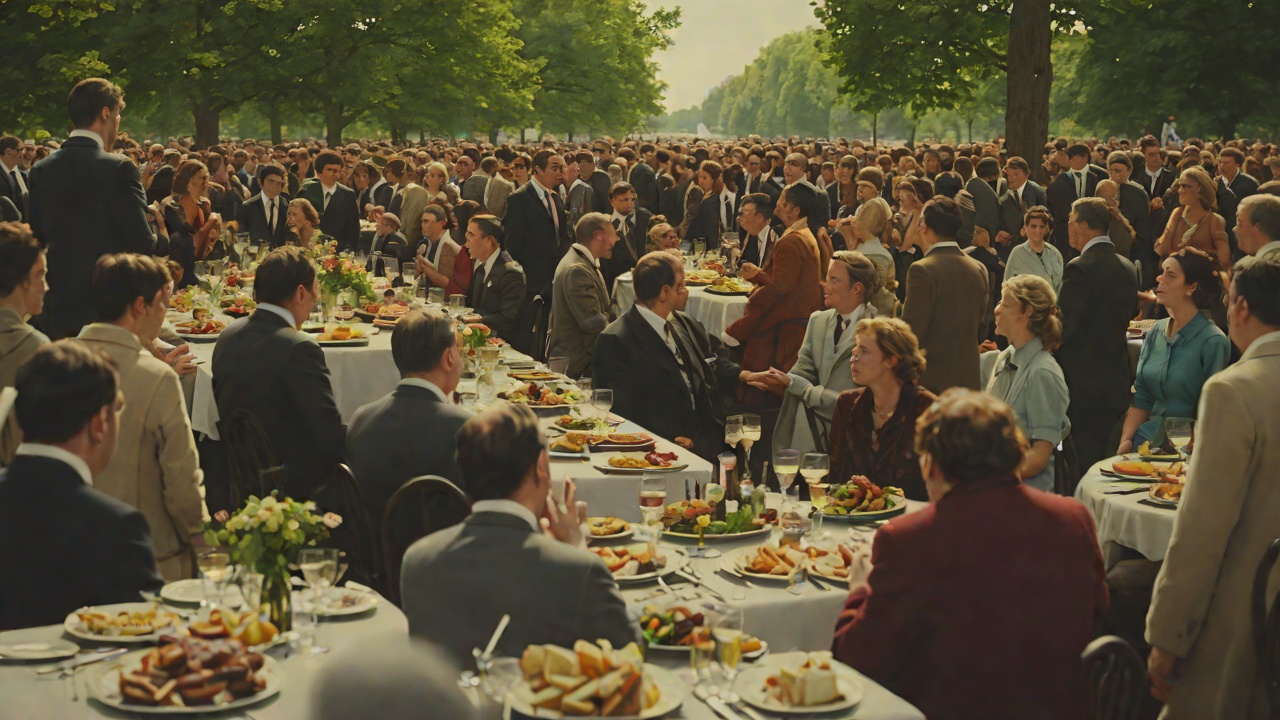
Shared Appetite
Witnessing
After the first deaths, spectators cheer more loudly. Horror and excitement become difficult to separate.
Convergence
Their separate reactions begin forming a common appetite. The crowd’s moral identity is created through repeated attention to violence.
Crowd Face
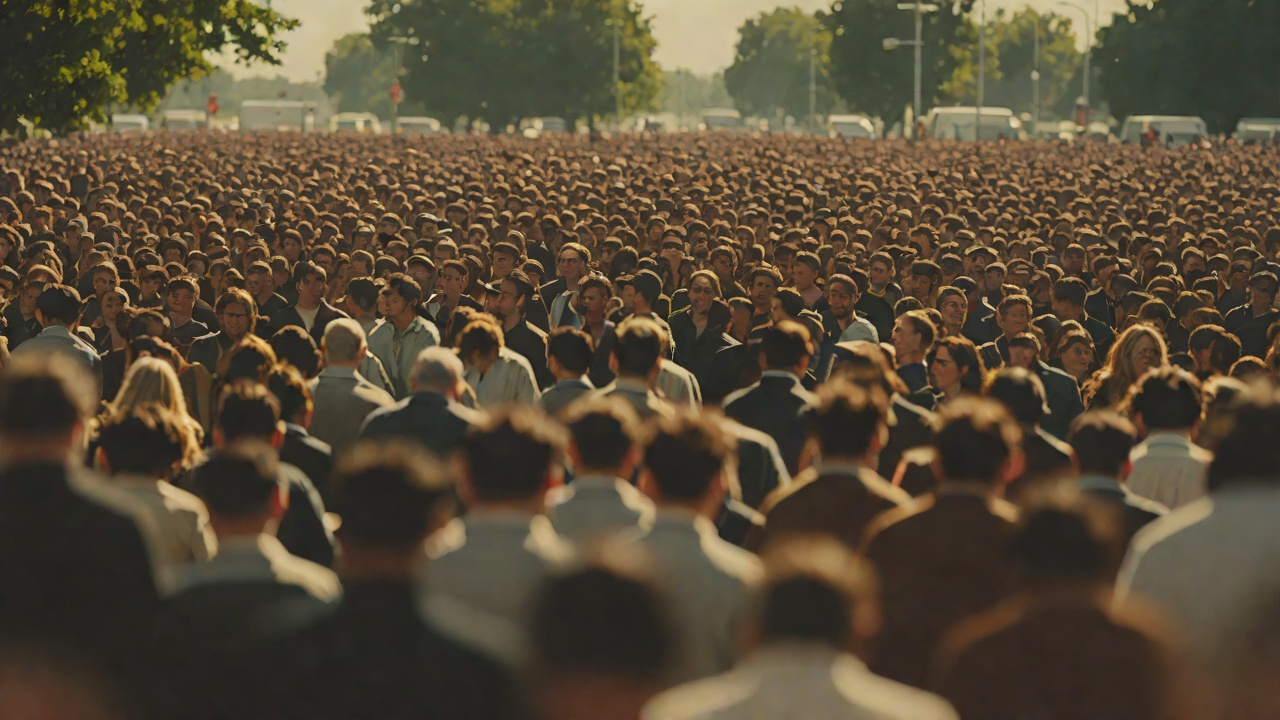
Crowd Face
Abstraction
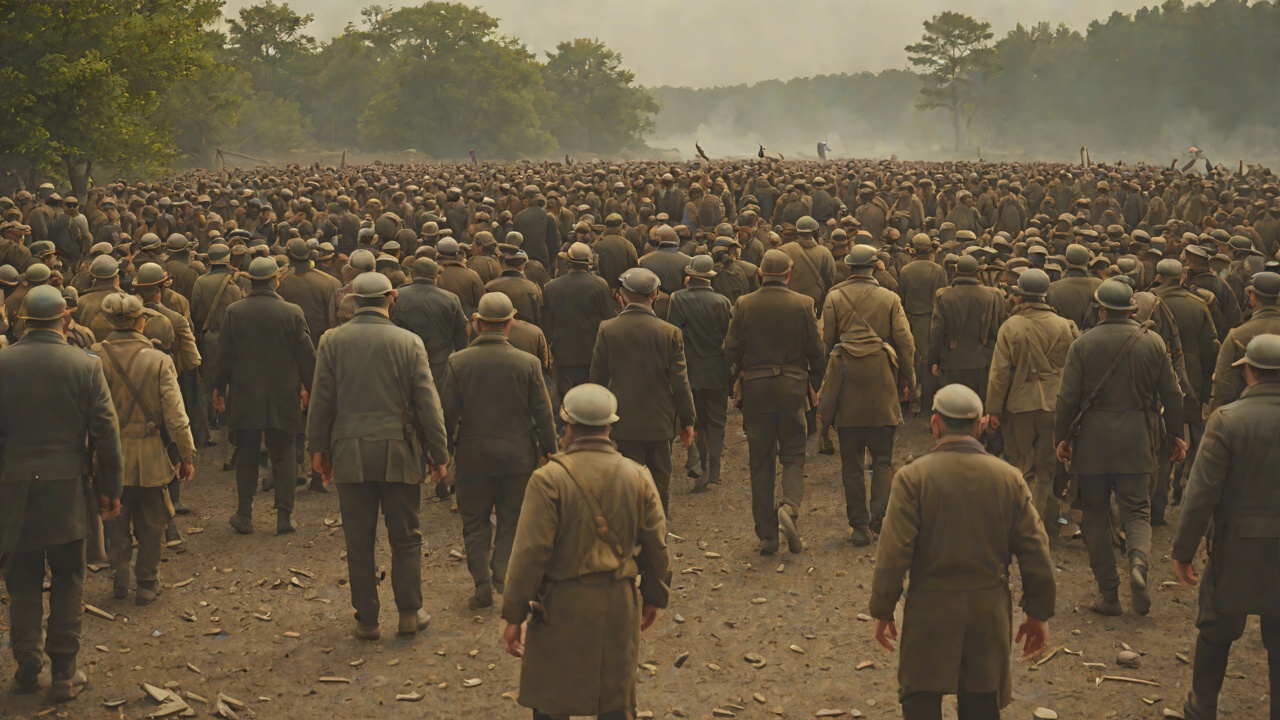
Ray sees the same eager face repeated across lawns, gas stations, and streets. Individual spectators merge into the Crowd Face.
Consequence
An anonymous audience cannot be shamed by any single death. Its lack of identity makes responsibility diffuse and therefore durable.
God and Mammon
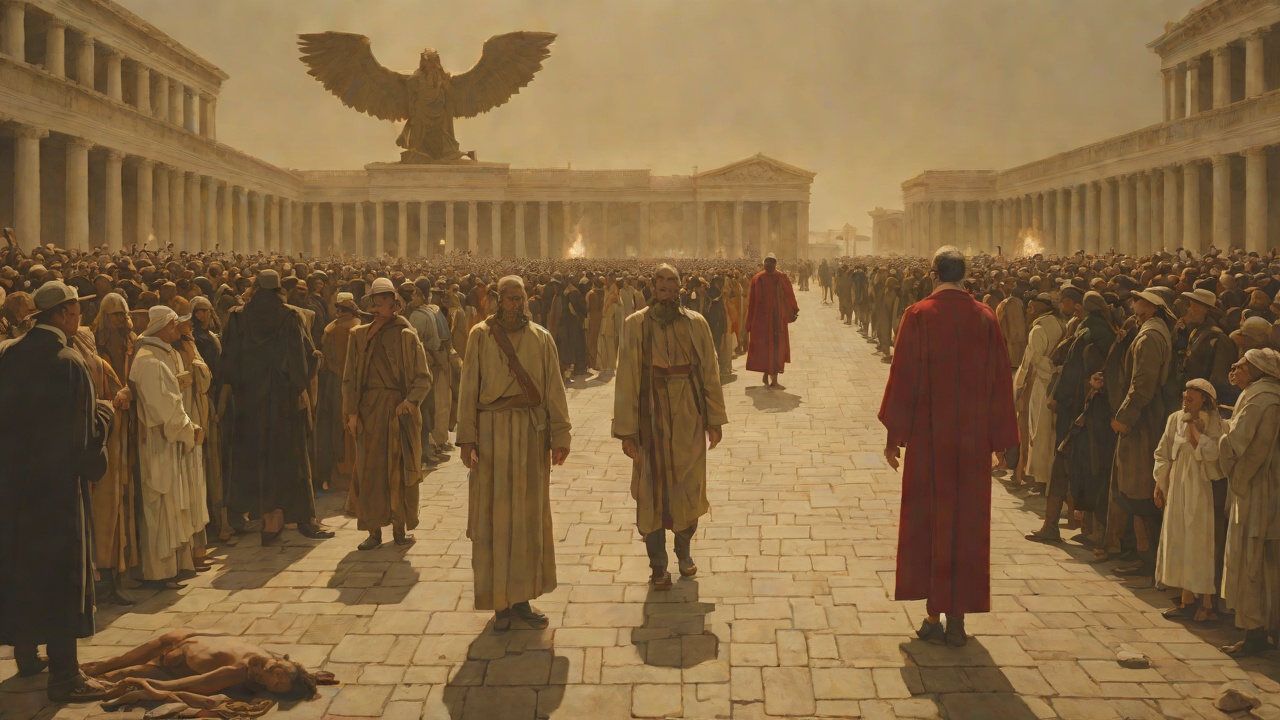
God and Mammon
Power
The Augusta crowd becomes a single voice and eye that demands to be pleased. Ray experiences it as a deity nourished by sacrifice.
Economy
Its religious force is inseparable from gambling, publicity, and spectacle. The crowd worships what it consumes.
Final Witness
Final Witness
Consumption
The crowd cheers as Stebbins dies and as the Major approaches Ray. It treats the survivor’s mental collapse as the natural climax of the Event.
Exposure
Ray’s movement toward the dark figure escapes the crowd’s preferred narrative. The audience can witness the body but cannot possess the meaning of its final act.
May 1 morning
May 1 afternoon
May 2 after one hundred miles
May 3 in Augusta
near the ending
