Abraham
The Long WalkAbraham is one of the Long Walk contestants and one of its most recognizable voices: tall, disjointed-looking, perpetually shuffling, and capable of answering terror with obscene humor, theatrical imitation, or an unexpectedly serious appeal to solidarity. His presence gives the walking group a rough communal intelligence, but his final collapse shows how completely the event converts companionship into a temporary reprieve from organized death.
Identity and Introduction
Abraham is introduced as a tall, awkwardly proportioned boy who walks in a perpetual shamble. Even while the contestants discuss the possibility of sex after death, he interrupts with a deep, somber reflection that everyone might consider what kind of sex life could exist in the next world. The remark is morbid, but it is also characteristic: Abraham meets the Walk’s enforced proximity to death by turning it into conversation. His humor does not remove the horror; it makes the horror speakable among boys who otherwise have only silence, warnings, and gunfire.
His name is accompanied by the identifying number 2, a detail that places him within the event’s administrative system even as his personality resists being reduced to a number. The state can register him, monitor his pace, and eventually shoot him, but the walking group knows him through his voice, his physical gait, and his ability to make a grim situation briefly social.
Conduct During the Long Walk
Abraham participates in the public rituals surrounding the Walk without being wholly absorbed by them. When the Major passes the contestants in his jeep, Garraty cheers, and Abraham is among those who join the cheer. That response places him in an uneasy middle position. Other walkers reject or ignore the Major’s display, while Abraham momentarily accepts the pride and pageantry attached to the event. The gesture suggests how effectively the spectacle can enlist even those trapped inside it: the contestants are not merely victims of the ceremony but are sometimes induced to perform enthusiasm for their own ordeal.
Yet Abraham’s response to violence is not passive. He watches the Walk’s procedures unfold alongside the others, including the shooting of Curley, Ewing, and Travin. Each death exposes the same rule from a different angle: a contestant who falls below the required speed is transformed from a participant into a target, and the soldiers execute that transformation with practiced efficiency. Abraham’s later conduct gains force against these earlier scenes, because his humor and sociability develop under continual observation of bodies being cleared from the road and converted into an altered survival count.
Humor, Performance, and Collective Speech
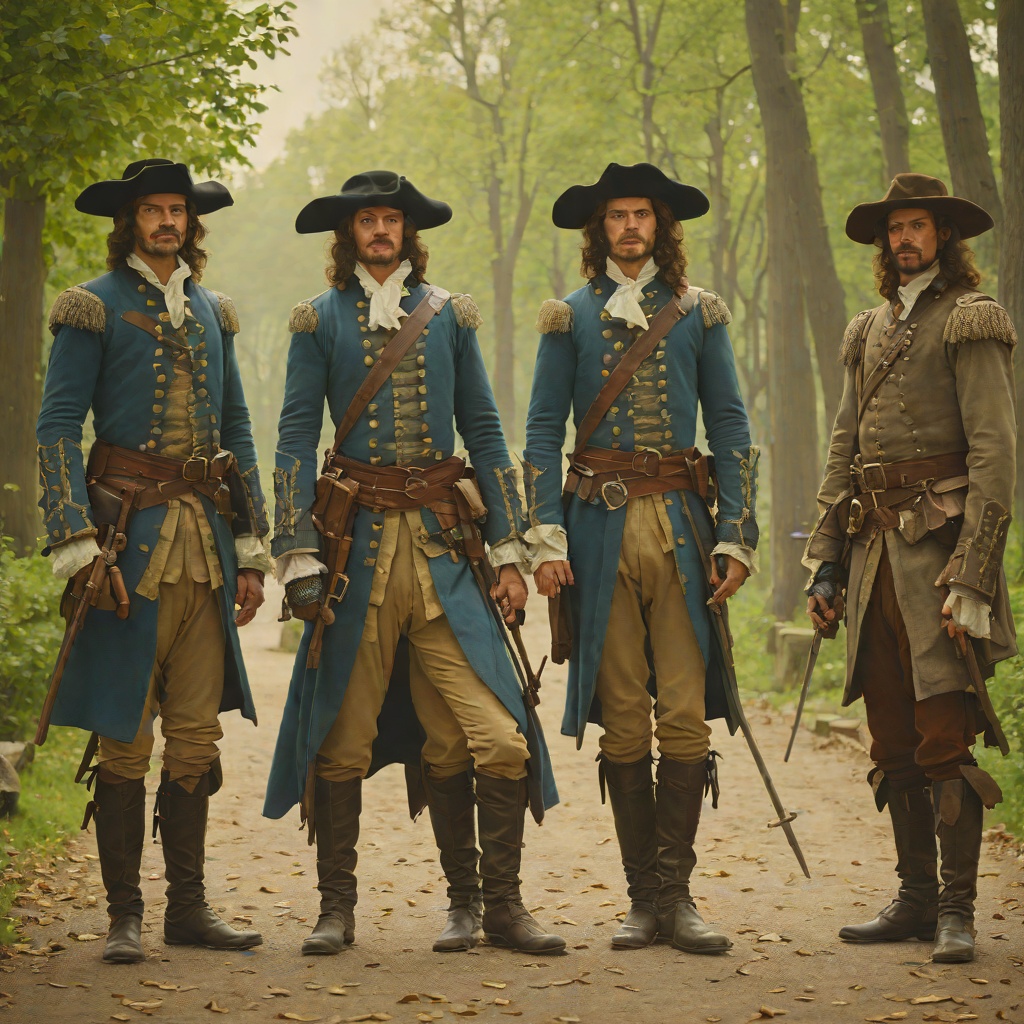
Abraham’s most conspicuous form of resistance is verbal performance. At one point he begins reciting the opening of the Gettysburg Address in an eerie imitation of a founding father, then abandons the recitation as forgotten schoolwork and dismisses the remainder as nonsense. The performance turns national history into a cracked mirror for the present event. The nation’s language of founding, fathers, and public purpose is placed beside seventeen-year-old boys being marched toward execution; the contrast makes the patriotic spectacle surrounding the Walk appear grotesque rather than noble.
McVries responds by describing Abraham as possessing the face of a founding father and the mentality of a syphilitic donkey. The insult is intimate rather than formal, part of the rough verbal economy through which the walkers maintain contact. Abraham’s value to the group lies partly in this ability to absorb and return abuse without allowing conversation to collapse. His jokes, fragments of recitation, and deliberately unruly self-presentation keep the contestants from becoming a silent line of bodies.
Solidarity and the State’s Machinery
Near the end, Abraham approaches the remaining walkers with visible difficulty and tries to explain that they are coming together on something. When Garraty misunderstands the proposal as a game, Abraham clarifies that it is a kind of promise. The exchange is important because it shifts his speech from diversion to collective intention. The boys have spent the Walk being ranked against one another and watching the state reward their isolation; Abraham imagines a promise that could make them a group rather than a sequence of individual survivors.
The promise remains fragile. The Walk’s rules have already shown that solidarity cannot reliably protect anyone: soldiers push companions aside to reach a fallen contestant, crowds turn executions into entertainment, and the armed escort retains the final authority over every body. Even Olson’s attempt to seize a rifle and continue walking while gravely wounded ends not in liberation but in a grotesque display of the state’s power to keep the event moving. Abraham’s proposed unity therefore carries both moral importance and structural defeat. It offers the contestants a shared identity, but the event is designed to make shared identity incapable of stopping the guns.
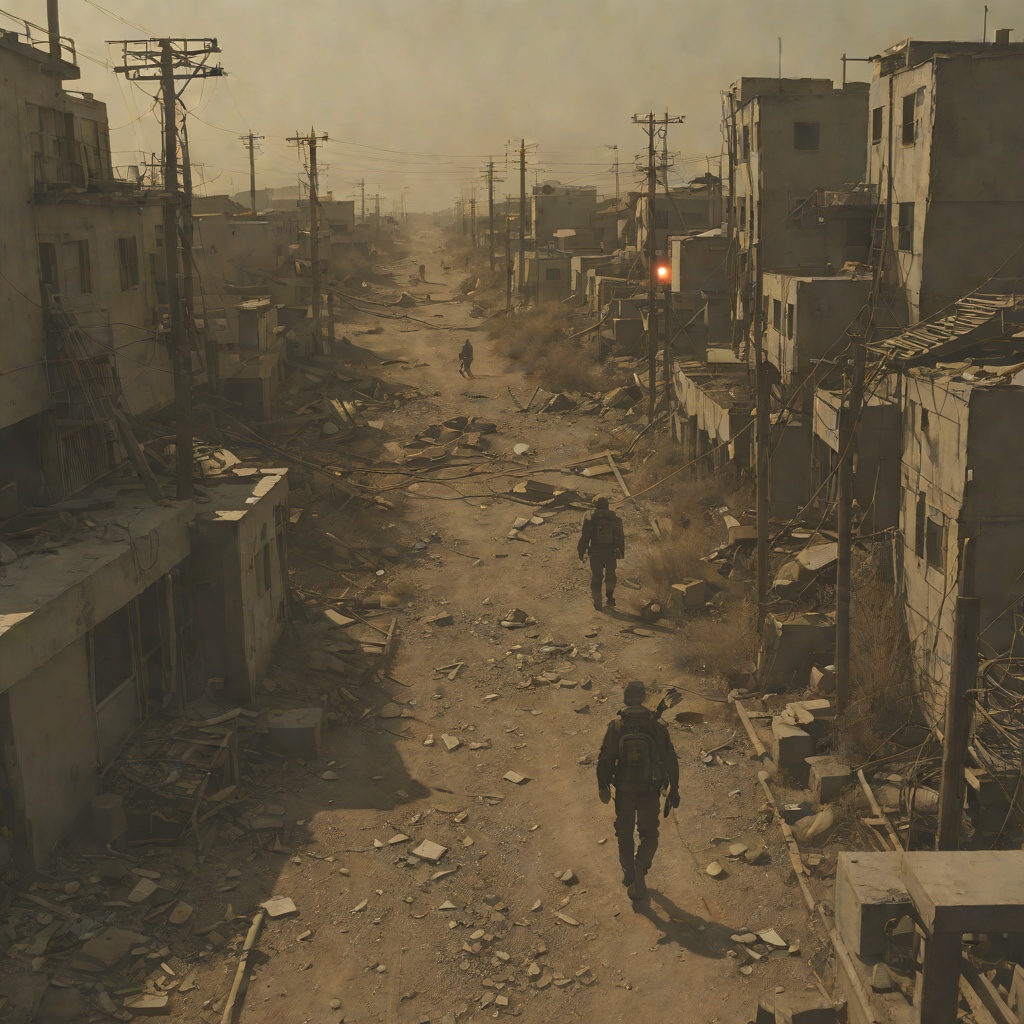
The image of the lone soldier holding a chronometer in one hand and a rifle in the other makes that structure explicit. Timekeeping and violence are combined in a single figure: the rule is measured, and the penalty is immediately enforceable. Abraham’s promise exists beneath that instrument of control, in the narrow space where the walkers can still recognize one another as persons.
Collapse and Narrative Significance
Just before dawn, three walkers fall together. The crowd responds with renewed enthusiasm as their bodies spin and strike the wet road, and the apparent chain reaction ends with Abraham crawling on his knees. His eyes turn blindly toward the halftrack and the crowd, filled with confused pain; the comparison to a sheep caught in barbed wire strips away the comic performer who had earlier spoken in a mock-presidential voice. His heavy Oxford shoes continue drumming against the road after he has fallen on his face, then stop.
Abraham’s death is consequently both a physical termination and a tonal reversal. His shamble, deep voice, historical parody, and promise of collective action have made him a carrier of social life within the procession. At the moment of death, that social presence is reduced to an unresponsive body and the last movement of shoes. The contrast does not cancel his resistance. Instead, it shows what the state must destroy in order to sustain the Long Walk: not only the contestants’ strength, but their jokes, memories, promises, and capacity to form a public among themselves.
Abraham’s narrative role is therefore larger than that of another eliminated walker. He embodies the possibility that shared speech might create dignity inside an institution built on isolation, while his ending demonstrates the limits imposed by the event’s legal and military order. The Long Walk can permit companionship, even briefly, because it ultimately possesses the means to outlast every companion.