Limestone
The Long WalkLimestone is both a geographical checkpoint and an early rehearsal of the Long Walk’s governing contradiction: an ordinary Maine town is converted into a ceremonial public stage where exhausted boys are welcomed as heroes while the State keeps death immediately beside the road. Its modest civic landscape, crowds, banners, television equipment, and military escorts make Limestone less a refuge than a machine for displaying endurance and normalizing violence.
Setting and First Impressions
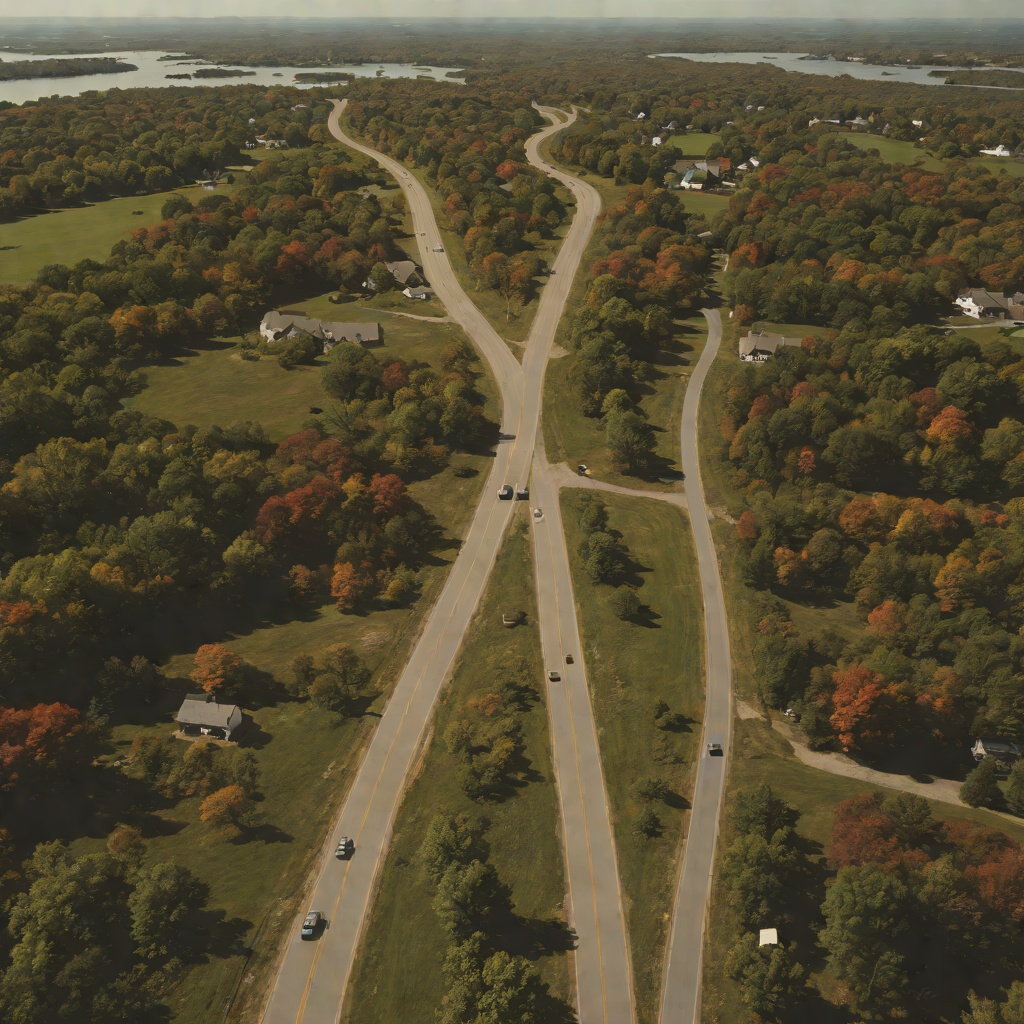
Limestone appears on the route as a named destination before it becomes a fully encountered place. A sign announces that the town lies ten miles ahead, and later another reduces the distance to seven miles. The markers give the Walk a measurable rhythm, turning landscape into a sequence of targets and making physical progress legible as competitive achievement. The announcement that the Walkers are less than a mile from breaking the record adds a historical pressure to the approach: Limestone is not merely somewhere they pass through, but a threshold at which the present contest threatens to surpass what came before.
When the Walkers finally reach downtown Limestone around twelve-thirty, Ray Garraty finds it disappointing in its smallness. He sees a business section, three used-car lots, a McDonalds, a Burger King, a Pizza Hut, and an industrial park; in his judgment, it is largely a one-hydrant town. The plainness matters because the Long Walk has already gathered national and quasi-military significance, yet the town itself offers no monumental setting appropriate to that importance. The contest’s grandeur is therefore imposed upon an ordinary commercial landscape rather than emerging from it.
Memory and the Long Walk Tradition
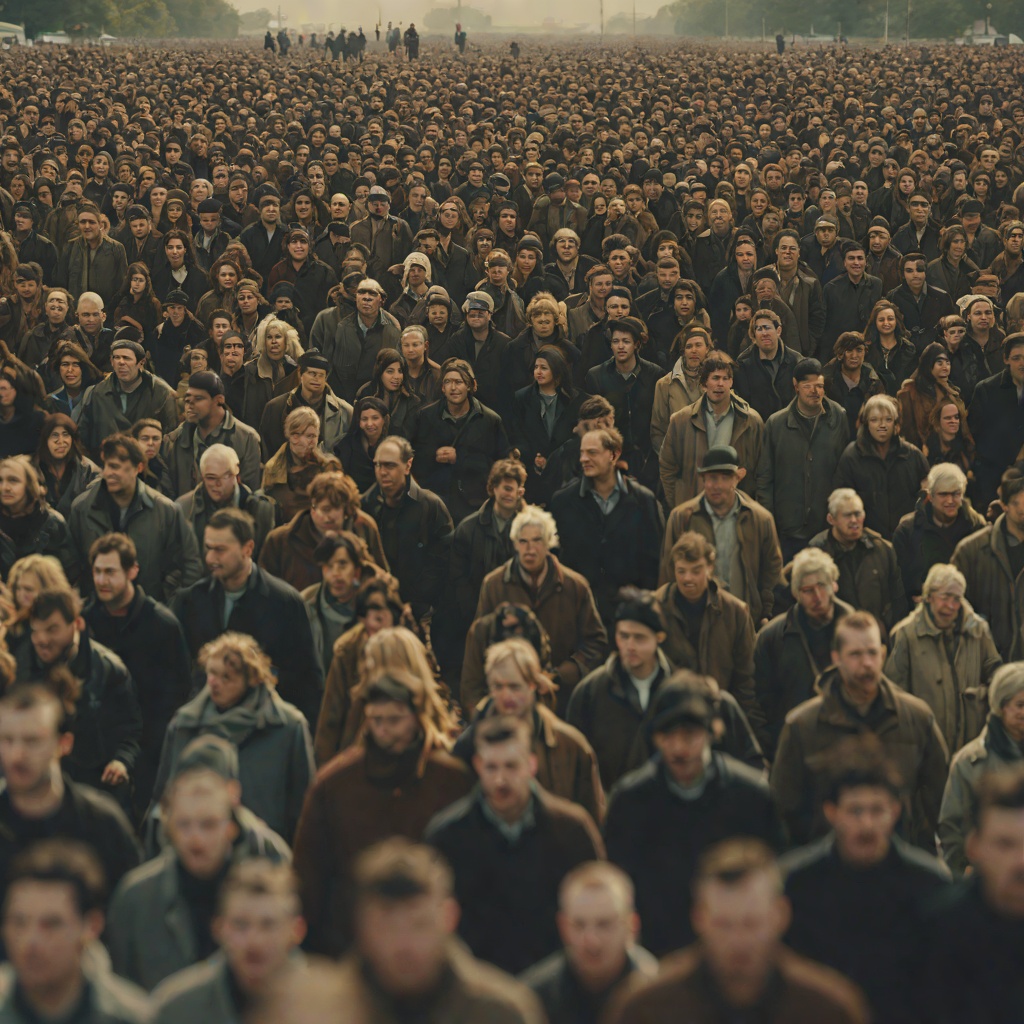
Limestone also opens a route into Garraty’s earlier memory of the event. He remembers attending a Long Walk in Freeport with his parents when he was ten, watching the Walkers arrive after more than seventy-two hours on the road. They were tired, hollow-eyed, and barely conscious of the cheering, signs, wagers, and constant hoorah surrounding them. His father had explained that spectators lined the roads from Bangor onward, while the up-country stretches were less interesting and more strictly cordoned off, supposedly so the Walkers could concentrate on remaining calm.
The childhood memory gives the present approach to Limestone a disturbing historical depth. Garraty had once been overwhelmed by the spectacle: he had eaten six hotdogs, wet his pants when the Walkers appeared, and felt disappointed that he did not see anyone receive a ticket. The memory preserves the event first as entertainment, then gradually reveals the adult unease surrounding it. That night, he heard his father shouting drunkenly or politically into the telephone while his mother begged him to stop before someone picked up the party line. The Long Walk thus enters Garraty’s personal history not as an isolated contest but as a recurring public institution whose violence has been absorbed into family memory and civic routine.
Public Welcome and Media Spectacle
The town’s approach transforms the road into a broadcast set. At Caribou, before Limestone, a network news crew has already surrounded the Walk: a battery of lights bathes the road in warm white glare, a newspaperman in a three-piece suit carries a long-reach microphone, and technicians unreel electric cable behind him. The reporter asks the Walkers how they feel, converting private exhaustion into a public performance. When he interviews Scramm, the large Walker responds with exuberant profanity about the Long Walk, and the reporter signals for the technicians to cut or manage the material.
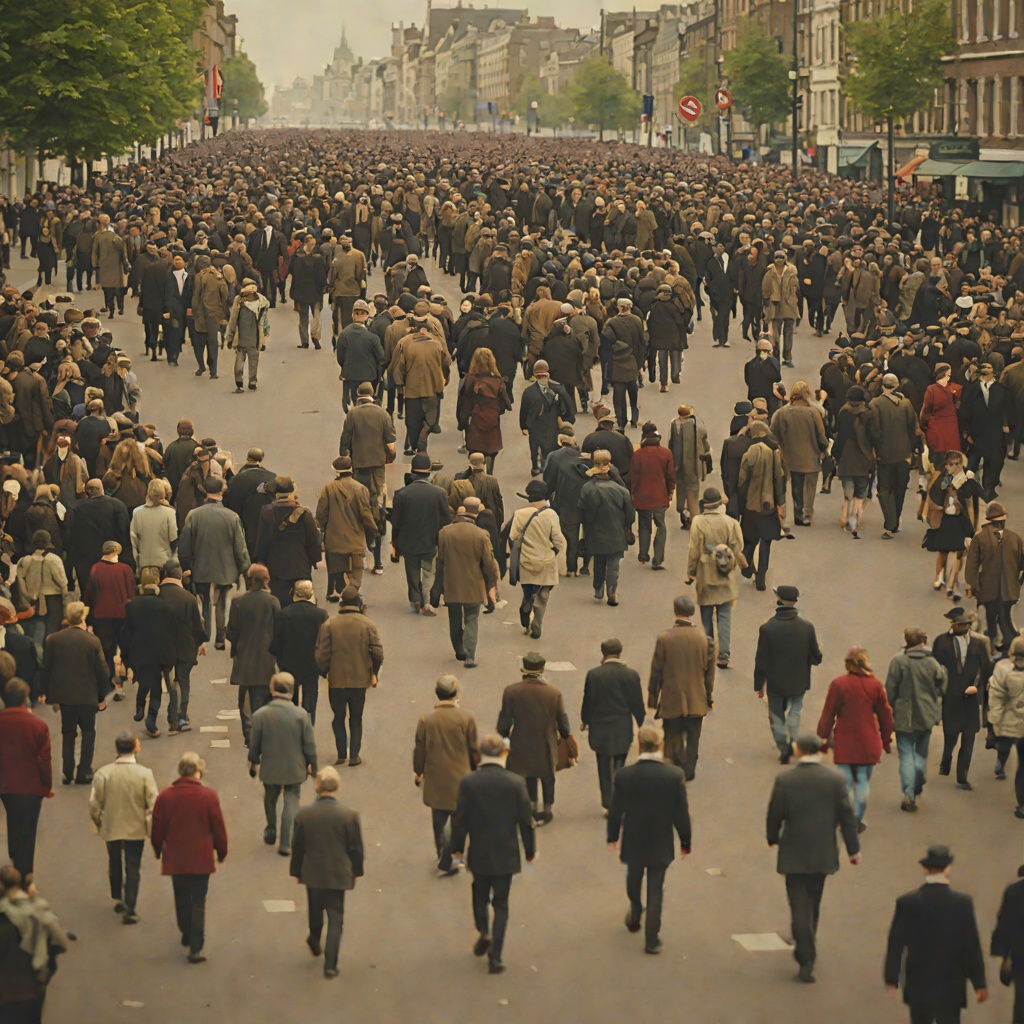
The media presence draws its own audience. When the reporter runs out of microphone cable and works his way back toward the mobile unit through the tangles, the crowd cheers not only the Walkers but the television crew itself. Posters of the Major rise and fall on sticks still bleeding sap, and spectators cheer more frantically when the cameras turn toward them, waving for Aunt Betty and Uncle Fred. The scene shows how the event circulates between participants, broadcasters, and viewers: the Walkers are watched, the audience performs being watched, and the Major’s image supplies the spectacle with an official center.
Limestone’s welcome continues this conversion of suffering into civic theater. A banner proclaims that Limestone is proud to welcome the Long Walkers. The greeting is bright, collective, and apparently hospitable, but it cannot provide aid: elsewhere along the route, police patiently explain to a shopkeeper that offering the Walkers soft drinks violates the rules. Hospitality is therefore permitted as display but forbidden as material assistance. The town may cheer the competitors, advertise its pride, and stage public recognition, yet it may not interrupt the conditions that are killing them.
Violence Beneath the Ceremony
The contrast between Limestone’s civic welcome and the contest’s lethal procedure is sharpened by the death of Ewing. He falls below speed for the last time while clustered among other boys, perhaps hoping that the group might protect him. The soldiers push the others aside, drag Ewing to the shoulder, pin his arms behind him, and shoot him in the head with a carbine when he tries to fight. The violence is efficient rather than chaotic; the soldiers are described as experts doing their job. Limestone’s apparently peaceful townscape therefore belongs to a route governed by a different order, one in which a warning becomes a sentence and the roadside becomes an execution site.
The same state authority remains visible in the guards and computerized registration that frame the Walkers’ experience. At the guarded parking lot, Garraty’s blue plastic identity card is handed from him to his mother and then to a guard, whose computer terminal absorbs the card and displays Garraty’s registered name and address. The rural stillness is interrupted by an administrative machine that turns a boy into a verified entry. Later, when the Major gives the signal, the Walkers cross the marker in parade-step, with the sound of their feet unnaturally loud. Limestone’s distance signs and town limits belong to this same system: geography is translated into authorized movement, measured performance, and eventual elimination.
Narrative Significance
Limestone’s importance lies in the way it makes the Long Walk’s social contract visible. The town is small, commercial, and familiar, yet it can be surrounded by cheering spectators, camera lights, banners, and state personnel without anyone treating the killing as a contradiction. The crowd’s enthusiasm does not erase the executions; it gives them a setting in which they can be consumed as entertainment, civic pride, and national ritual.
As a remembered destination and a present checkpoint, Limestone links private memory to public repetition. Garraty once watched the Walk with a child’s appetite for spectacle and a child’s disappointment at missing a ticket; now he approaches the same kind of scene as one of its endangered participants. The town consequently marks a change in perception. What looked from the outside like a thrilling procession is experienced from within as regulated labor under threat of death, while the town’s ordinary streets expose how thoroughly that threat has been made routine.